

Best Earrings for Sensitive Ears
You found the perfect pair of earrings, slipped them in, and by lunchtime your earlobes were red, itchy, and sore. If that sounds familiar, you're far from alone — skin reactions to earrings are one of the most common jewellery complaints, and the good news is you don't have to give up earrings altogether. You just need the right metals, the right styles, and a few smart habits. This guide brings together everything that actually matters for sensitive ears, so you can wear earrings comfortably all day, every day.
Why Do Your Ears React to Earrings?
Almost every earring reaction traces back to one thing: the metal touching your skin. The earlobe is a delicate area — the skin is thin, like your eyelids or lips — and a fresh piercing is essentially a small healing wound, which makes it even more reactive. Over time, friction, moisture, and sweat wear down the surface of cheaper metals and let reactive elements leach into your skin.
The number-one culprit is nickel, which is used in a huge amount of affordable fashion jewellery (and even in some piercing guns). Roughly one in six women has a confirmed nickel allergy, and many more have a milder sensitivity that only flares up after extended wear. Cobalt, chromium, copper, and brass are the other usual suspects. Copper can oxidise against sweat and leave that tell-tale green tinge, while brass and unlabelled alloys are hard on thin earlobe skin.
A metal allergy typically shows up as redness, itching, swelling, a rash, or small blisters around the piercing — often appearing 12 to 72 hours after contact and fading once the earring is removed. A handy rule of thumb: itching usually points to an allergy, while genuine pain often points to an infection.
The Best Materials for Sensitive Ears
Choosing the right metal is the single most important decision you can make. Here are the materials trusted by jewellers and dermatologists, ranked roughly from most accessible to most premium.
1. Surgical Stainless Steel (316L)
Grade 316L (or 316LVM) surgical steel is low-nickel, durable, and very affordable, which is why it's so often used for initial piercings. Just make sure the piece is specifically labelled "surgical grade" — standard stainless steel can still contain higher nickel levels.
Pros
- Inexpensive and widely available
- Strong and scratch-resistant
- Low nickel; good for everyday wear
Cons
- Not 100% nickel-free
- Very reactive ears may still notice it
- Quality varies by brand
2. Titanium
Titanium is one of the most biocompatible metals on earth — it's the same material used in medical and orthopaedic implants. It's lightweight, won't tarnish or corrode, and is virtually guaranteed not to irritate, making it the top pick for new piercings and severe sensitivities. For maximum safety, look for "pure" or "implant-grade" titanium rather than titanium alloys.
Pros
- Exceptionally hypoallergenic
- Ultra-lightweight (no saggy lobes)
- Rust-, tarnish- and corrosion-proof
- More affordable than gold or platinum
Cons
- Fewer fine-jewellery designs
- Some "titanium" pieces are alloyed — check the label
3. Niobium
A lesser-known gem, niobium is another fully biocompatible metal that's lightweight, hugely durable, and corrosion-resistant. It comes in a surprising range of styles — studs, hoops, dangles, and threaders — and is a great alternative if titanium designs feel too limited.
Pros
- Biocompatible and skin-safe
- Lightweight and comfortable
- Holds colour and finish well
Cons
- Harder to find in stores
- Limited mainstream availability
4. Sterling Silver (925)
Pure silver is too soft for jewellery, so sterling silver blends 92.5% silver with a small amount of copper — look for the 925 or S925 stamp. It's a classic, well-tolerated choice for daily wear: lightweight, durable, and (when nickel-free) gentle on most sensitive ears.
Pros
- Generally well-tolerated
- Huge style selection
- Affordable and timeless
Cons
- Can tarnish without care
- Copper content may bother the most reactive ears
5. Solid Gold (14K / 18K)
Gold is one of the safest metals for sensitive ears, but karat matters: the higher the karat, the less alloy and the lower the irritation risk. For sensitive ears, 14K or 18K is the sweet spot — pure enough to be skin-safe, yet durable enough for everyday wear. Be cautious with white gold, which sometimes uses nickel for colour; choose one labelled nickel-free if that's your preference.
Pros
- Very few people react to it
- Beautiful, long-lasting investment piece
- Doesn't tarnish
Cons
- Higher price point
- Lower-karat gold has more alloy
6. Platinum
Platinum is the least reactive metal of them all — non-alloyed, extraordinarily corrosion-resistant, and the gold standard (literally) for anyone who wants to wear earrings 24/7. The trade-off is cost and availability, but for a forever pair, it more than pays off.
Pros
- The safest, least reactive option
- Won't corrode or wear down
- Ideal for permanent, all-day wear
Cons
- Most expensive choice
- Harder to find
Materials to Avoid
If you've been battling irritation, steer clear of these: nickel (the leading cause of metal allergies), brass (a copper-zinc alloy common in fast fashion), copper (oxidises and can stain and irritate), and any unlabelled alloys. Also be wary of costume jewellery, where the adhesives — not just the metal — can trigger reactions. The simple rule: if it's cheap and the material isn't clearly stated, skip it.
Quick Comparison: Materials at a Glance
| Material | Sensitivity-Safe | Best For | Price |
|---|---|---|---|
| Titanium | New piercings & severe sensitivity | $–$$ | |
| Platinum | 24/7, forever wear | $$$$ | |
| Niobium | Lightweight everyday styles | $–$$ | |
| Solid Gold (14–18K) | Investment & everyday pieces | $$$ | |
| Sterling Silver (925) | Versatile daily wear | $$ | |
| Surgical Steel (316L) | Budget & initial piercings | $ | |
| Gold-Plated (over silver) | The gold look, lower budget | $$ | |
| Nickel / Brass / Copper | — | $ |
The Best Earring Styles for Sensitive Ears
Material isn't the whole story. Weight and movement matter more than most people realise — heavy earrings create pressure and friction that can irritate even a non-reactive piercing. These styles consistently win for comfort.
Flat-Back (Sleeper) Studs
Often called "live-in" or "sleeper" earrings, flat-back studs sit flush against the lobe with a flat or screw-on backing that won't poke you while you sleep. Editors who tested dozens of pairs found they essentially "disappear" once in — ideal for lobe and cartilage piercings alike. The main quirk is that the tiny screw backings can be fiddly to put in; a trick that helps is to thread a standard earring post through first to guide the backing.
Small Studs
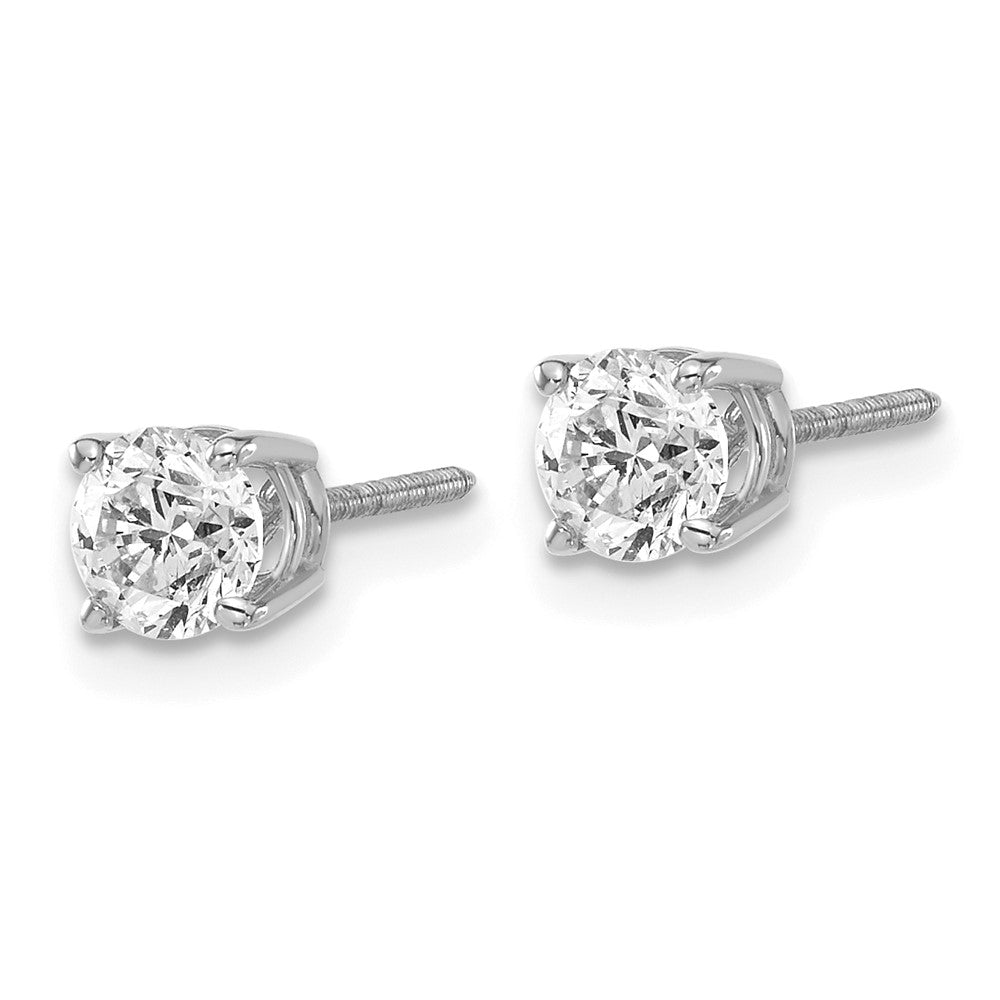
Simple, light, and secure, studs are the safest everyday style. Bezel-set studs are especially good because the smooth metal rim surrounds the stone with no sharp edges or snag points. Just choose a secure backing so they can't twist and rub.
Huggie Hoops
Huggies are small hoops that "hug" the lobe, so they barely move — which means minimal friction. They deliver the hoop look without the dragging, pulling weight of large hoops, and were repeatedly named a favourite for sensitive ears.
Small-Diameter Hoops
Full-size hoops aren't off-limits — you just want a smaller diameter and a lightweight build. Smaller hoops stay close to the ear and resist the swinging motion that turns lobes red over a long day.
Lightweight Dangles & Drops
Yes, you can still wear drops to dinner. Well-balanced, lightweight drop and linear earrings distribute weight gently and can actually move freely without dragging on the piercing. The key word is lightweight — skip the chunky statement pieces for all-day wear.
Don't Overlook the Backing
The backing is the unsung hero of comfort. Push-backs (butterfly backs) are snug, low-pressure, and easy to remove. Screw-on and flat backs stay put through showers, workouts, and sleep. Saddle-backs spread the weight of hoops across several points for a secure, comfortable fit. If your skin reacts even to safe metals, try silicone, rubber, or plastic backings as a non-reactive barrier. Note that the lower the post "gauge" number, the thicker the post — and a slightly thicker post is often easier to secure.
What "Hypoallergenic" Really Means
Here's the catch most shoppers miss: "hypoallergenic" is not a regulated term. It simply means "less likely" to cause a reaction — and a piece labelled hypoallergenic can still contain trace nickel. The more meaningful, specific claim to look for is "nickel-free." When you're shopping, prioritise brands that are transparent about their materials, including the base metal under any plating.
- Material transparency — the brand states exactly what each piece is made of.
- Explicit "nickel-free" labelling — not just a vague "hypoallergenic."
- A safe base metal under any plating (sterling silver or titanium, never brass).
- Lightweight design — less pressure means less irritation.
How to Care for Sensitive Ears
Even the perfect pair needs good habits. A few small routines make a big difference:
- Keep earrings clean. Wipe them with mild soap and water after wear, and deep-clean about once a week (more often for new piercings). A professional cleaning once a year keeps fine pieces sparkling.
- Keep your ears and hands clean. Wash your hands before inserting or removing earrings, and gently clean and moisturise your lobes with unscented products.
- Store earrings dry. An airtight container prevents tarnish and dust buildup.
- Avoid moisture and chemicals. Remove earrings before swimming, heavy sweating, and keep them away from perfume and hairspray.
- Use a barrier in a pinch. A thin coat of clear nail polish or a touch of Vaseline on the posts can create a temporary shield between metal and skin.
- Give your ears a break. Going earring-free every other night lets your piercings breathe and recover.
The Bottom Line
Sensitive ears don't mean a life without beautiful earrings — they just call for being a little more intentional. Choose a skin-friendly metal (titanium, niobium, platinum, solid 14–18K gold, or 925 sterling silver), pick lightweight styles like flat-back studs and huggies, look for "nickel-free" rather than just "hypoallergenic," and keep everything clean. The smartest move is to invest in a few well-made, trustworthy pairs rather than constantly gambling on cheap, unlabelled jewellery. Find your go-to pieces once, and wearing earrings becomes effortless again.
Frequently Asked Questions
What earrings are best for sensitive ears?
The safest options are titanium, niobium, platinum, solid 14K–18K gold, and 925 sterling silver. For style, lightweight flat-back studs and huggie hoops are the most comfortable because they barely move. Avoid anything containing nickel, copper, brass, or unlabelled alloys.
Are gold-plated earrings safe for sensitive ears?
It depends on the base metal. Gold plating over sterling silver is generally fine, even as the plating wears. Gold plating over brass or an unknown alloy is risky once the top layer fades and exposes the reactive metal underneath.
Does "hypoallergenic" guarantee no reaction?
No. The term isn't regulated, so a "hypoallergenic" earring can still contain trace nickel. Look for the more specific "nickel-free" claim and brands that fully disclose their materials.
Can I wear earrings all day if I have sensitive ears?
Often yes — with quality titanium, platinum, gold, or sterling silver, many people wear earrings comfortably around the clock. If your ears are very reactive, choose flat-back or huggie styles and still give them an occasional break.
Why do my ears react to some earrings but not others?
Different alloys contain different amounts of nickel and other reactive metals. Switching to titanium, niobium, or sterling silver usually resolves the problem. Weight and rough post finishing can also play a role.
What's the best style for newly pierced ears?
Stick to lightweight, well-finished studs in a safe material like titanium or solid gold. Avoid heavy or dangling earrings during healing, since extra weight and movement create friction that can slow the process.

 Contact Us