

Best Stones for Engagement Rings: A Real-World Guide to Beauty, Durability, and Budget

Choosing an engagement ring stone is a balance between beauty, durability, meaning, and budget. Because an engagement ring is typically worn every day, the “best” stone isn’t just the most beautiful in a display case—it’s the one that fits real life. Below is a practical, visually guided breakdown of the best engagement ring stones, what they look like, how they perform, and who they’re best for.
What Makes a Stone Ideal for an Engagement Ring?
Before diving into specific gemstones, keep these essentials in mind:
-
Durability: Resistance to scratching and chipping matters for daily wear.
-
Sparkle style: Bright flashes, rainbow fire, or deep glow—each stone sparkles differently.
-
Maintenance: Some stones need more care and protection than others.
-
Personal meaning: Color, symbolism, and individuality often matter more than trends.
Diamond: The Timeless Benchmark
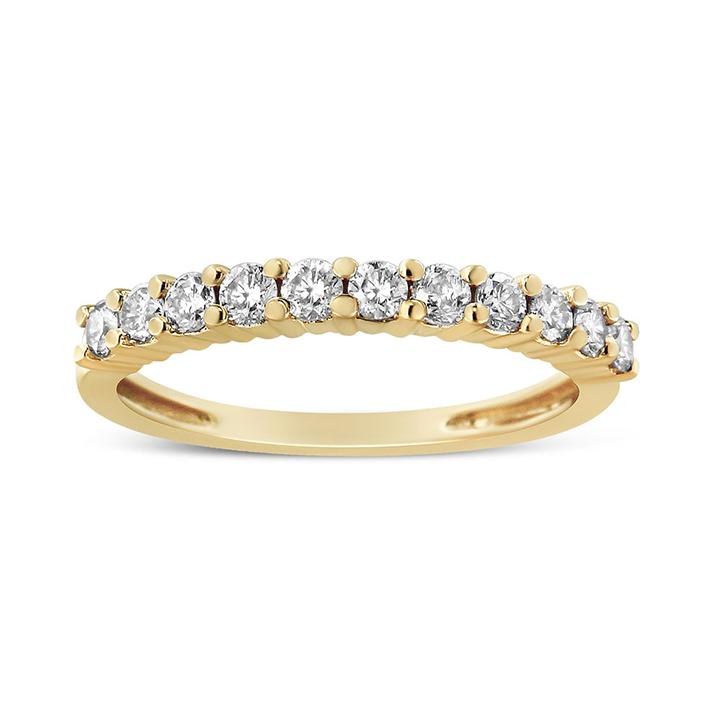
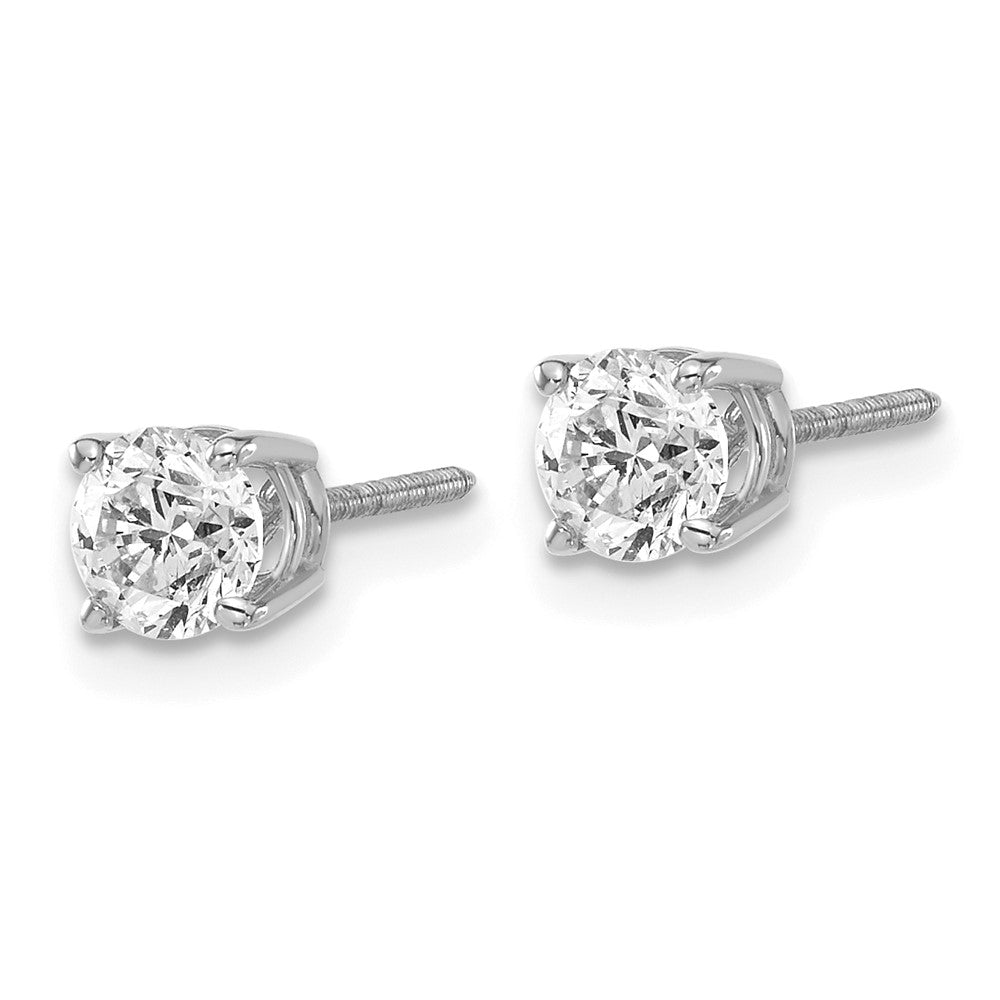
Diamonds remain the most popular engagement ring stone for a reason. They offer exceptional hardness, brilliant sparkle, and unmatched versatility across settings and styles.
Why diamonds work so well
-
Extremely resistant to scratches
-
Classic, crisp brilliance that suits all metals and cuts
-
Easy to pair with wedding bands and anniversary rings
Things to know
-
Diamonds can still chip if struck sharply
-
Price depends heavily on cut quality, not just carat weight
Best for: Everyday wear, timeless style, and minimal maintenance concerns.
Sapphire: The Best Colored Stone for Daily Wear

Sapphire is the top alternative to diamond for engagement rings. While blue is iconic, sapphires also appear in pink, peach, yellow, green, and even color-changing varieties.
Why sapphires are loved
-
Excellent durability for everyday use
-
Rich, elegant color options
-
Luxurious look without diamond-level pricing
Things to know
-
Very dark stones can appear almost black indoors
-
Many sapphires are heat-treated (standard practice)
Best for: Someone who wants color without sacrificing longevity.
Moissanite: Maximum Sparkle and Value

Moissanite is famous for its intense sparkle—often even more fiery than diamond—and its ability to look larger for the same carat weight.
Why moissanite stands out
-
Exceptional brilliance and fire
-
Strong durability suitable for daily wear
-
Excellent value for larger stones
Things to know
-
Sparkle can look more “rainbow-like” than diamond
-
Large stones may show slight optical doubling
Best for: Sparkle lovers who want size and brilliance without a high price tag.
Lab-Grown Diamond: Same Look, Modern Choice

Lab-grown diamonds are visually and chemically identical to mined diamonds. The main difference is origin—and often price.
Why people choose lab diamonds
-
Same durability and sparkle as natural diamonds
-
Often allows a larger or higher-quality stone for the budget
-
Modern, tech-driven appeal
Things to know
-
Resale dynamics differ from mined diamonds
-
Cut quality still determines beauty
Best for: Those who want the diamond look with more flexibility on size or quality.
Spinel: The Hidden Gem

Spinel is an underrated gemstone with excellent wearability and vibrant colors ranging from red and pink to blue and gray.
Why spinel deserves attention
-
Durable enough for daily wear
-
Naturally bright, saturated colors
-
Less expensive than sapphire with similar visual impact
Things to know
-
Less common in mainstream jewelry stores
-
Limited awareness compared to sapphire or ruby
Best for: Someone who wants a unique but practical engagement stone.
Ruby: Bold, Romantic, and Durable

Ruby symbolizes love and passion and shares the same mineral family as sapphire, making it a strong candidate for engagement rings.
Why rubies are special
-
Excellent durability
-
Deep, emotional color
-
Stunning in both vintage and modern designs
Things to know
-
Fine-quality rubies can be very expensive
-
Treatments are common and should be disclosed
Best for: A statement ring with strong symbolism and everyday strength.
Emerald: Elegant but Delicate

Emeralds are visually striking and instantly recognizable, but they require more care due to natural inclusions.
Why people love emeralds
-
Luxurious green color
-
Timeless, regal presence
-
Beautiful in halo and bezel settings
Things to know
-
More prone to chipping than sapphire or diamond
-
Often treated and needs mindful care
Best for: Someone who prioritizes beauty and elegance and is gentle with jewelry.
Aquamarine: Soft, Modern Elegance

Aquamarine offers a calm, icy-blue tone that feels modern and understated.
Why aquamarine appeals
-
Clean, airy color
-
Looks stunning in minimalist designs
-
Affordable in larger sizes
Things to know
-
Softer than sapphire and diamond
-
May show wear over time with daily use
Best for: Someone who prefers subtle color and modern aesthetics.
Morganite: Romantic Blush Tones

Morganite’s peach-pink hue has become popular for romantic and vintage-inspired rings.
Why morganite is loved
-
Soft, flattering pink color
-
Excellent size-to-price ratio
-
Pairs beautifully with rose gold
Things to know
-
Scratches more easily
-
Requires regular cleaning to maintain brilliance
Best for: Careful wearers who love soft, romantic tones.
Opal: Artistic but High-Maintenance

Opal’s shifting colors are mesmerizing, but it’s one of the most delicate choices for an engagement ring.
Why opal is unique
-
Iridescent play-of-color
-
One-of-a-kind appearance
-
Artistic and expressive
Things to know
-
Sensitive to impact, heat, and dryness
-
Not ideal for everyday wear
Best for: Occasional wear or highly protective settings.
Choosing the Right Stone for Your Lifestyle
-
Low-maintenance daily wear: Diamond, lab diamond, moissanite, sapphire, ruby, spinel
-
Careful daily wear: Aquamarine, morganite
-
Occasional or protected wear: Emerald, opal
Settings That Improve Stone Safety
-
Bezel settings for maximum protection
-
Halo designs to shield edges
-
Low-profile mounts to reduce impact
-
V-prongs for pointed cuts
Final Thoughts
There is no single “best” engagement ring stone—only the best stone for you. Diamonds and sapphires offer the easiest daily wear. Moissanite delivers unmatched sparkle for the price. Spinel and ruby provide character with durability. Softer stones like emerald and opal reward careful wear with extraordinary beauty.

 Contact Us