

How to choose jewelry for skin tone
The Quick Version
- Undertone beats skin color. Your surface tan changes; your cool/warm/neutral undertone never does — and that is what decides your best metal.
- Three fast tests: the vein test, the white-paper test, and the sun-reaction test will pinpoint your undertone in minutes.
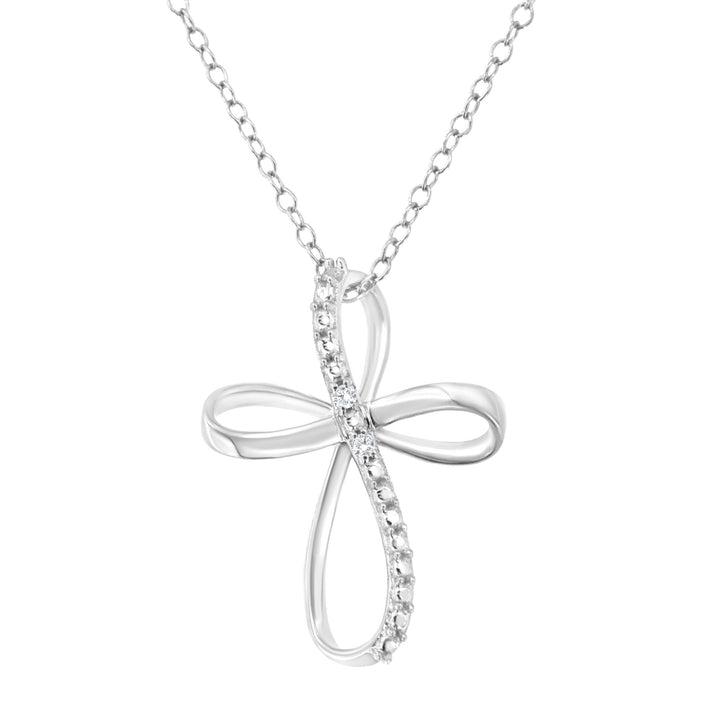
- Cool undertones glow in silver, white gold and platinum with blue/purple gemstones.
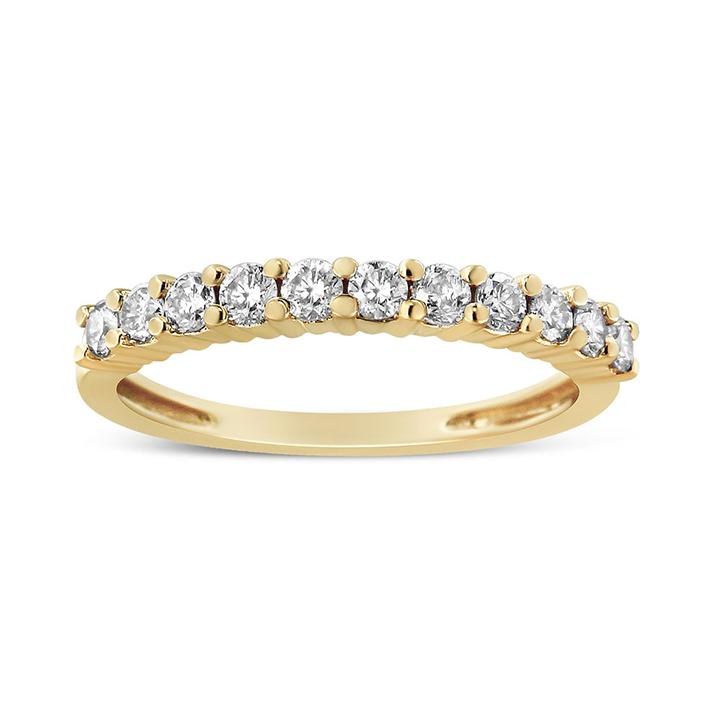
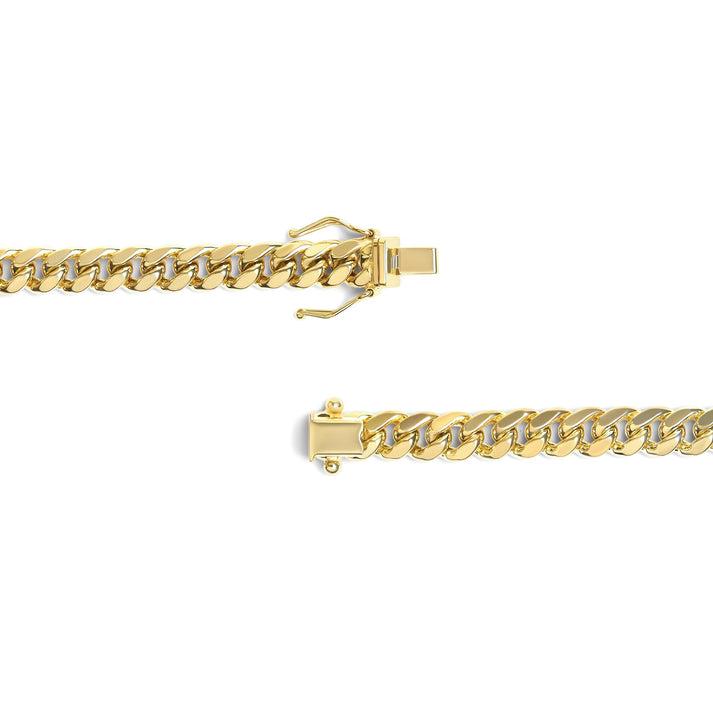
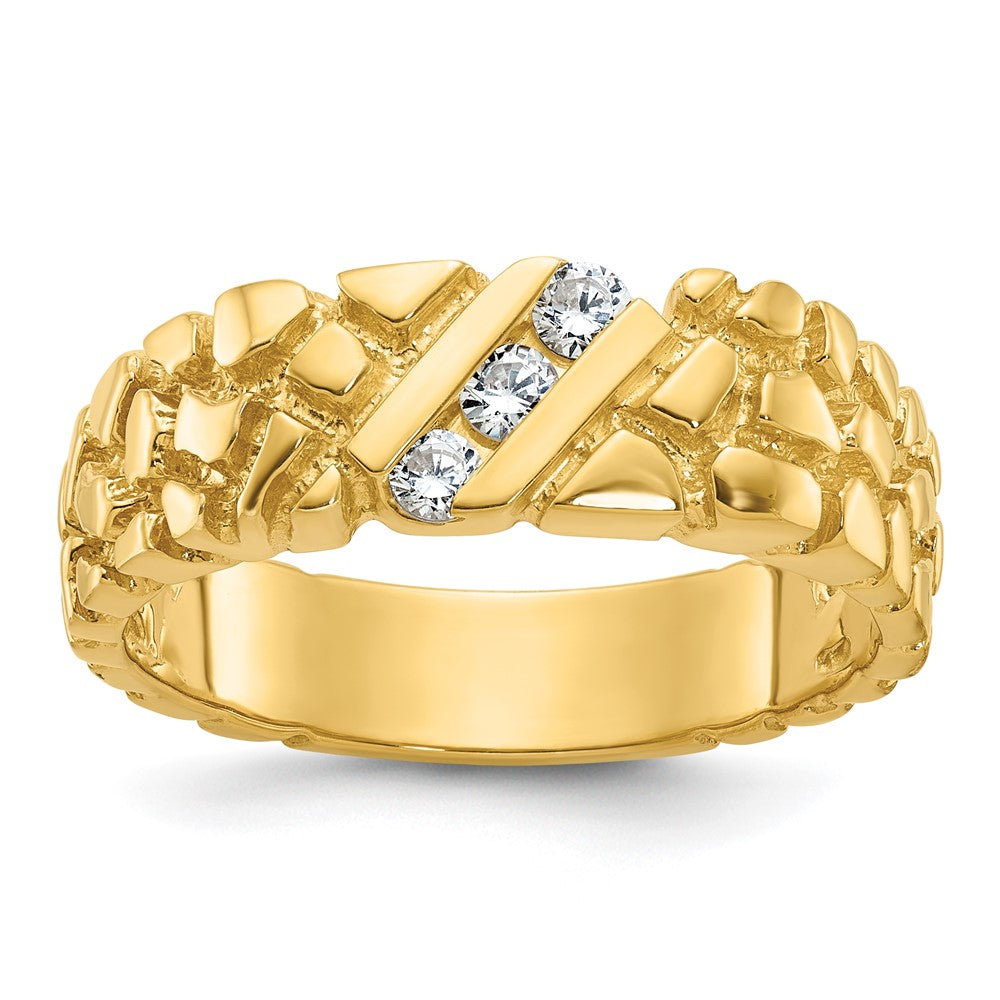
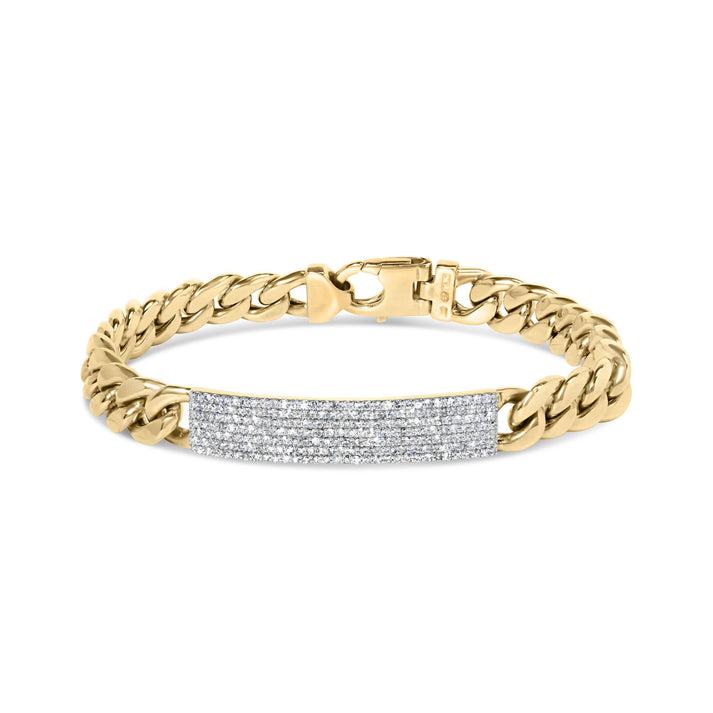
- Warm undertones shine in yellow gold, rose gold and copper with earthy, golden gemstones.
- Neutral undertones can wear it all — mixing metals is a stylish default.
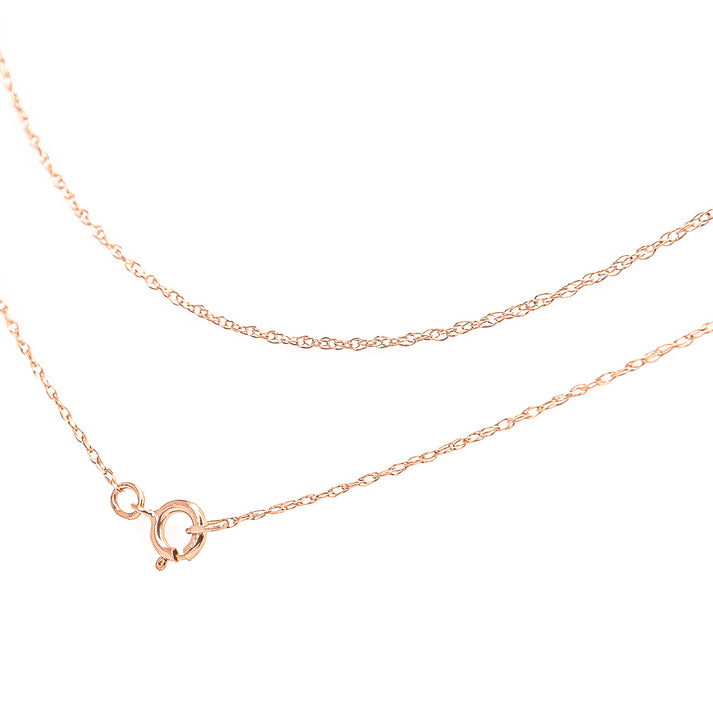
- Rose gold is the most universally flattering metal across every undertone.
- Sensitive skin? Choose hypoallergenic platinum, sterling silver or titanium and avoid nickel.
- Eye color, hair color and skin depth fine-tune your choices — and the full chart below sums it all up.
Have you ever admired a necklace on someone else, bought the exact same piece, and felt like it just looked… off on you? You are not imagining it. The same ring or pendant can flatter one person and wash out another, and the deciding factor is rarely the jewelry itself. It is your skin tone. Worn directly against the skin, jewelry behaves a little like makeup: the right metal and gemstone can brighten your complexion, sharpen your eye color and add a healthy glow, while the wrong one can leave you looking dull or tired.
The good news is that finding your most flattering pieces is not guesswork. Once you understand a handful of simple principles, shopping becomes far less intimidating and far more fun. This guide walks you through everything — how to identify your undertone, which metals and gemstones suit you, how eye color, hair and skin depth play in, what to do about sensitive skin, and how to break the rules with confidence.
Step 1: Skin Tone vs. Undertone (and Why It Matters)
The single most important distinction in this entire guide is the difference between your skin tone and your undertone. Your skin tone — sometimes called the overtone — is the surface color you see, and it shifts with sun exposure, seasons and age. Your undertone is the subtle hue beneath the surface. It is tied to your genetics and pigmentation, and it never changes, no matter how deep your summer tan gets. Because it is permanent, your undertone is the reliable anchor for every jewelry decision you make.
Undertones fall into three broad families:
- Cool undertones: hints of pink, red or blue beneath the skin. Skin tends to burn before it tans.
- Warm undertones: hints of yellow, peach or gold. Skin tans easily and rarely burns.
- Neutral undertones: a balanced mix of both, with no single hue dominating.
Step 2: Three Easy Tests to Find Your Undertone
You do not need a professional color analyst. Try these three quick checks in natural daylight (artificial light distorts color), and look for a consistent answer across all three.
1. The Vein Test
Turn your wrist over in natural light and look at the veins. Blue or purple veins point to cool undertones; green or olive veins point to warm undertones; a blue-green mix that is hard to call usually means neutral.
2. The White Paper Test
Hold a sheet of plain white paper next to your bare, makeup-free face. If your skin looks pink or rosy against it, you are cool. If it looks yellow or peachy, you are warm. If neither jumps out, you are likely neutral.
3. The Sun-Reaction Test
Think about how your skin behaves in summer. If you burn quickly and rarely tan, that signals cool undertones. If you tan easily and seldom burn, that signals warm undertones. A mix points to neutral.
Step 3: Choose the Right Metal for Your Undertone
Metal is the foundation of any piece, so get this right first. The classic guideline is beautifully simple: silver tones for cool skin, gold tones for warm skin, and anything goes for neutral.
Best Metals for Cool Undertones
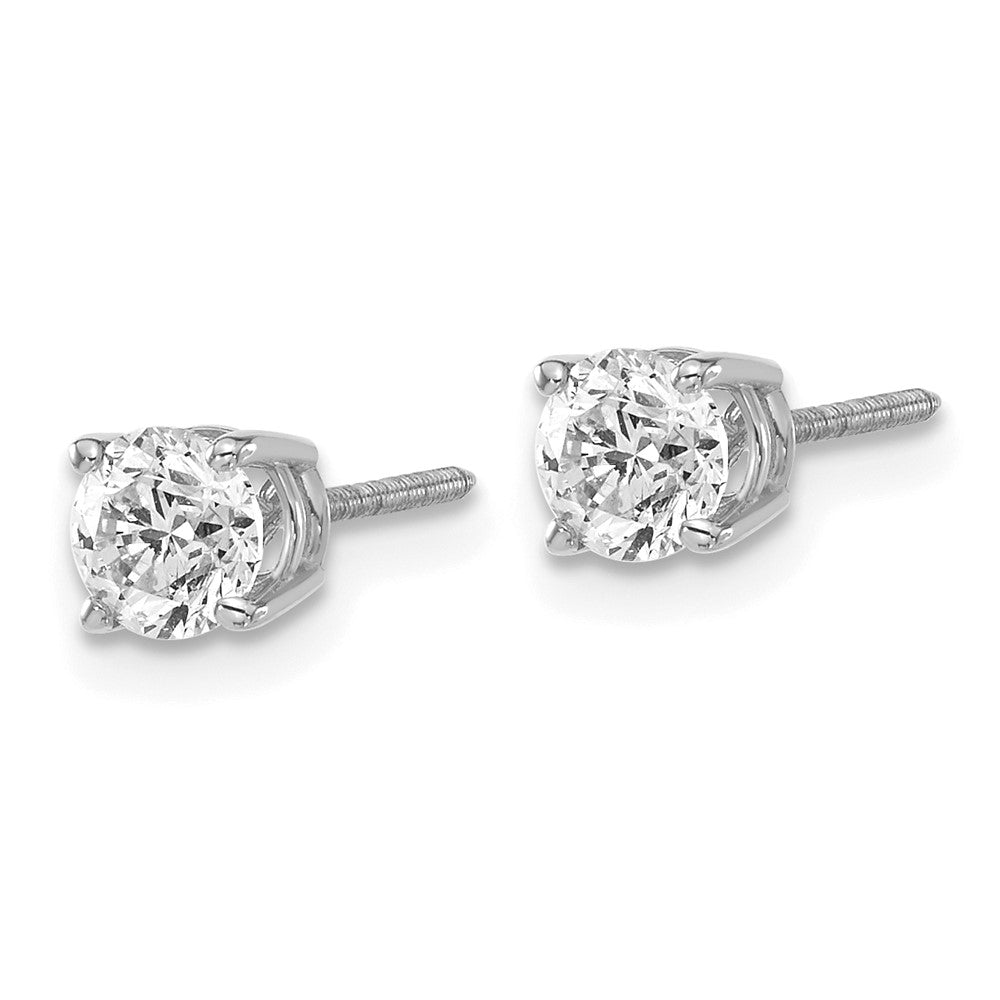
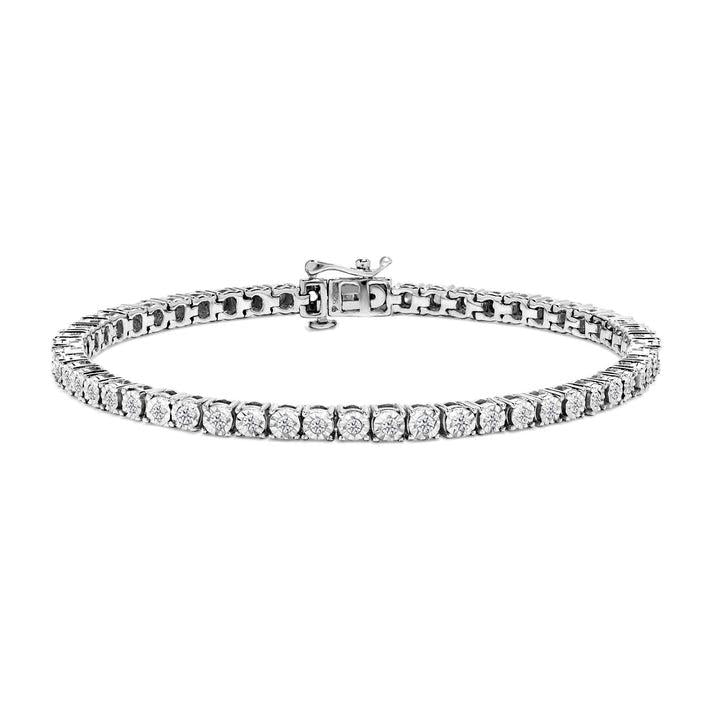
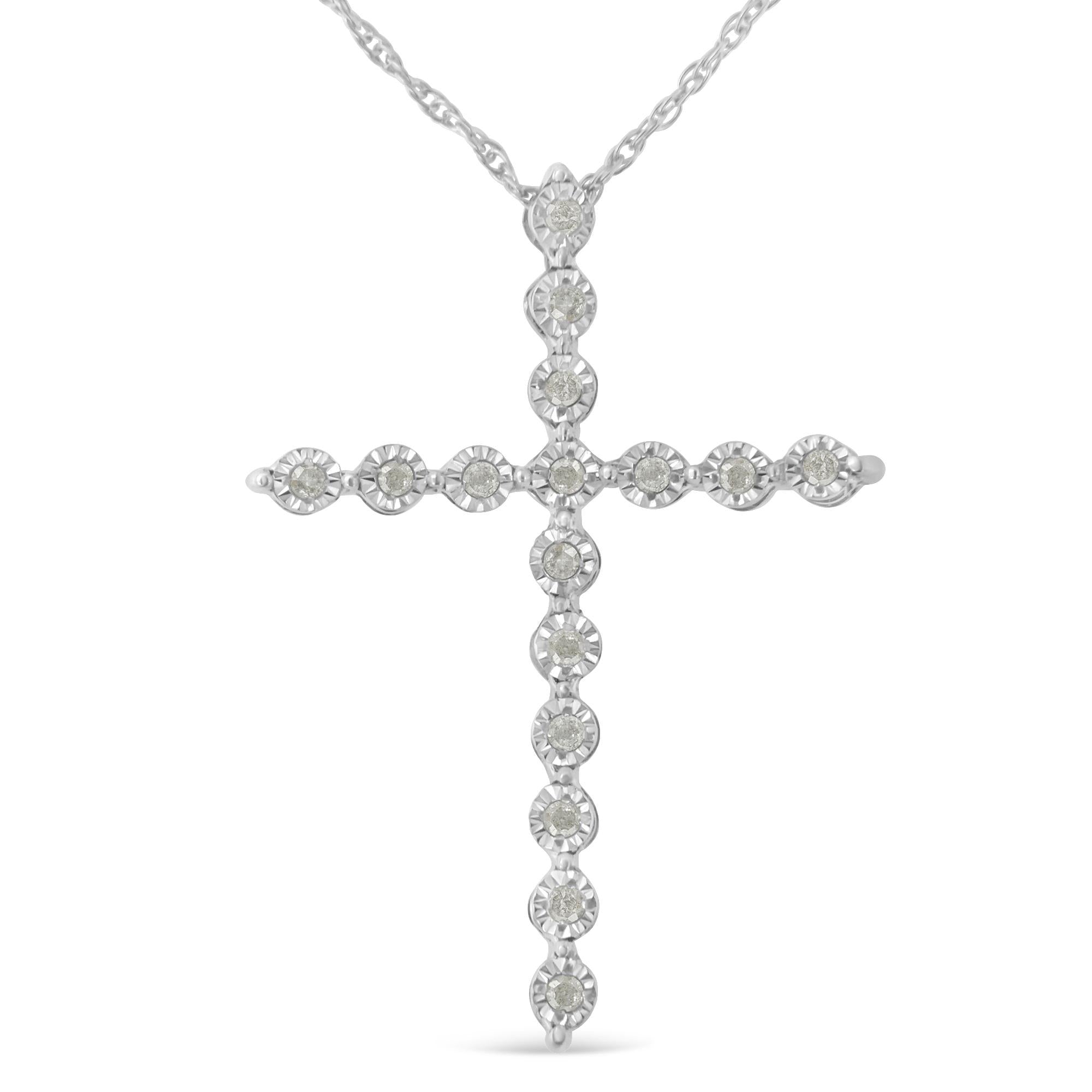
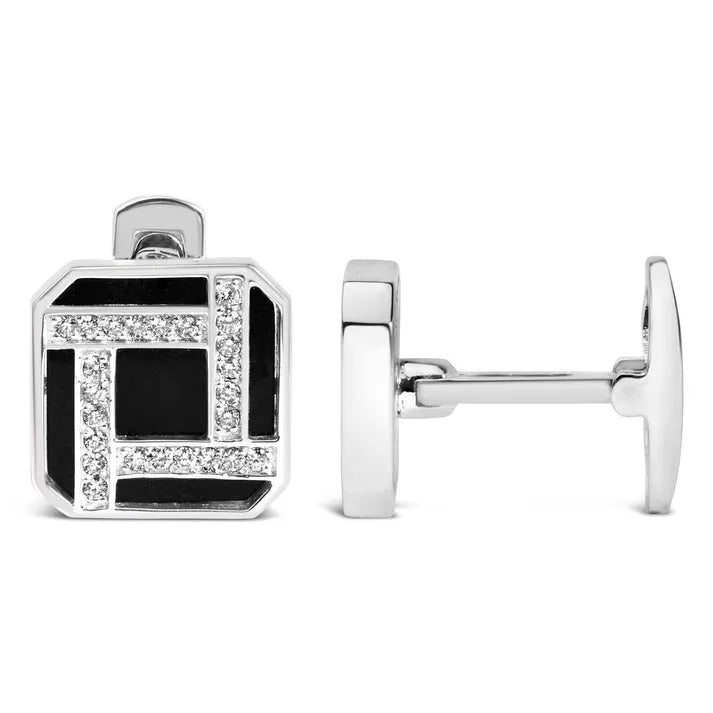
Silver-family metals act almost like a mirror, neutralizing redness and adding a clean, luminous brightness. Reach for sterling silver, white gold and platinum. Rose gold also works as a soft, modern option.
Best Metals for Warm Undertones
Warm metals echo the golden notes in your skin for a sun-kissed effect. Yellow gold is the standout, with rose gold, copper, brass and bronze rounding out the palette.
Best Metals for Neutral Undertones
You have the widest playground of all — gold, silver, rose gold and mixed-metal pieces all flatter you. Let your outfit, mood or the occasion guide you rather than a rule.
Pros of Matching Metal to Undertone
- Instantly brightens and evens out your complexion
- Makes eyes and smile look more vivid
- Builds a versatile collection you actually re-wear
- Helps every piece photograph and read as "intentional"
Cons & Caveats
- Guidelines are starting points, not strict laws
- Lighting can shift how a metal reads on your skin
- Sticking rigidly to one metal can feel limiting
- Buying purely on trend may dull your natural glow
Step 4: Pick Gemstones That Make You Glow
Gemstones add the color story, and the same cool/warm logic applies. Cool undertones are flattered by stones with blue, purple and pink bases; warm undertones come alive with yellow, orange, red and earthy stones.
For Cool Undertones
Sapphire, amethyst, aquamarine, blue topaz, emerald, pink tourmaline, tanzanite and pearls all sit beautifully against cool skin. White diamonds are a timeless, can't-miss choice.
For Warm Undertones
Citrine, amber, peridot, garnet, ruby, coral, morganite, yellow sapphire, topaz and turquoise bring out the natural warmth and glow.
For Neutral Undertones
Nearly every color works. Diamonds, pearls and opals are especially versatile universal picks; otherwise, mix jewel tones with earth tones for variety.
Step 5: Fine-Tune With Eye Color and Hair Color
Once your metal is sorted, eye and hair color help you choose accents that pop.
By Eye Color
- Blue or gray eyes: silver and white gold with blue or purple gemstones.
- Green eyes: yellow gold with golden-hued stones like amber, citrine and sunstone.
- Brown eyes: warm metals and earthy stones such as garnet and peridot.
- Hazel eyes: experiment with both metals; pick stones that pull out the green or brown you want to emphasize.
By Hair Color
- Blonde: silver or platinum for cool blondes; yellow or rose gold for warm blondes; pastel stones like aquamarine and pink sapphire.
- Brunette: warm gold and bronze add richness; ruby, garnet and emerald sing.
- Black hair: cool silver creates striking contrast; emerald, turquoise and amethyst stand out.
- Red or auburn: gold, copper and brass amplify natural vibrance; pair with green stones or deep blue sapphire.
Step 6: Tips by Skin Depth — Fair, Medium & Deep
Undertone is the priority, but how light or deep your skin is affects contrast and impact too.
Fair Skin
Cooler metals like silver enhance a porcelain look, while rose gold adds gentle warmth without overwhelming. Bold gemstones — sapphire, emerald, ruby — create vivid contrast that makes fair skin pop.
Medium & Olive Skin
You have flexibility. Gold and rose gold create a lovely glow, and mixed metals look effortless. Rich stones like turquoise, ruby and amethyst add welcome depth.
Deep Skin
Deep skin tones are naturally rich and carry contrast beautifully. Yellow gold offers a luxurious, warm pairing, while bright silver creates a striking, modern, high-impact contrast — a look that is especially stunning against a summer tan. Pearls in white, cream or black add elegant sophistication.
Step 7: Don't Forget Skin Sensitivity
If you have metal allergies, comfort has to come before color. Nickel is the usual culprit behind irritation, so avoid nickel-containing alloys. The safest hypoallergenic choices are platinum, sterling silver and titanium, with nickel-free or rhodium-plated white gold as solid alternatives. A flattering piece you cannot comfortably wear is not a good buy at any price.
Bonus: Seasonal Color Theory
If you enjoy seasonal color analysis, it maps neatly onto jewelry. Spring (warm): yellow gold and pastel gems. Summer (cool): silver with rosy pink and soft blue stones. Autumn (warm): brass, copper and earth-toned gems. Winter (cool): platinum, silver and deep jewel tones.
The Modern Rule: Mix Metals With Confidence
One of the biggest myths is that you can only wear one metal at a time. In reality, mixing metals is a current, stylish look that suits every undertone — and it is the perfect solution if you love both silver and gold or want your everyday pieces to bridge a gold engagement ring and silver earrings. Warm-toned wearers who adore silver can soften its coolness with oxidized or matte finishes, pair it with warm elements like brown leather, or layer it together with gold. Artisan two-tone designs make this especially easy. The takeaway: guidelines enhance your features, but personal style always wins. If a piece makes you feel confident and radiant, it is the right piece.
Common Mistakes to Avoid
- Buying on trend alone: a fashionable piece that dulls your glow is a miss.
- Judging by skin color, not undertone: the undertone is the real key.
- Over-contrasting: an oversized piece in a clashing metal can overpower you instead of complementing you.
- Skipping the natural-light test: always try before you buy, in daylight.
At-a-Glance Summary Table
| Undertone | How to Spot It | Best Metals | Best Gemstones | Skip / Use Care |
|---|---|---|---|---|
| Cool | Blue/purple veins; burns easily; skin looks pink vs. white paper | Silver, white gold, platinum, rose gold | Sapphire, amethyst, aquamarine, emerald, blue topaz, pearls, diamonds | Yellow gold & copper can look harsh |
| Warm | Green/olive veins; tans easily; skin looks yellow vs. white paper | Yellow gold, rose gold, copper, brass, bronze | Citrine, amber, garnet, ruby, peridot, morganite, turquoise | Plain silver can look stark unless styled warm |
| Neutral | Blue-green veins; tans & burns moderately; no clear paper result | All metals; mix & match freely | Almost anything — diamonds, pearls & opals are universal | No real restrictions — go by style |
| Sensitive Skin | Any undertone with irritation from metals | Platinum, sterling silver, titanium, nickel-free white gold | Match to your undertone above | Avoid nickel-containing alloys |
The Bottom Line
Choosing jewelry for your skin tone comes down to one permanent factor — your undertone — and a few simple tests to find it. Match cool undertones to silver and cool gemstones, warm undertones to gold and earthy gemstones, and enjoy total freedom if you are neutral. Layer in your eye color, hair, skin depth and any sensitivities to refine the details, and reach for rose gold or mixed metals when you want a near-universal win. Most importantly, treat all of this as a confident starting point rather than a rulebook. The most flattering jewelry you own will always be the piece that makes you feel like the best version of yourself.

 Contact Us