

The Best Metals for Sensitive Ears: A Guide to Hypoallergenic Earrings

Quick answer: If your ears itch, burn, or turn red every time you put on earrings, the metal — not your ears — is almost always the problem. The safest options are implant-grade titanium, niobium, and platinum, with solid 14K+ gold, nickel-free sterling silver (925), and quality gold vermeil as excellent everyday alternatives.
Between 10% and 20% of adults — and as many as 36% of women under 18 — have some form of metal sensitivity, with nickel being the number-one trigger. Once you develop a nickel allergy, it's permanent. The good news? You don't have to give up earrings; you just have to pick the right metal. This guide breaks down every common jewelry metal, what's actually inside it, who it's right for, and the honest pros and cons of each — so you can finally wear earrings all day without a single itch.
Why Earrings Trigger Reactions in the First Place
The skin on your earlobes is thinner and more delicate than skin elsewhere on your body, and a piercing essentially creates a permanent opening that puts metal in direct contact with living tissue. When sensitized skin cells absorb metal ions, the immune system responds the same way it would to a virus — with itching, redness, swelling, dry patches, or in severe cases, blisters and oozing. Reactions can appear within hours or take days to develop, and a flare-up can last two to four weeks.
Two things drive most earring reactions: a true allergy (your immune system reacting to a specific metal, most often nickel, cobalt, chromium, or zinc) and simple irritation (friction, trapped sweat, soap residue, heavy earrings, or rough post finishing). Humidity, perfume, and skincare products make both worse.
The Real Villain: Nickel (and Its Sneaky Friends)
Nickel is the top cause of contact dermatitis in jewelry, hands down. It's cheap, durable, and easy to work with — which is why it shows up in costume jewelry, gold plating, white gold, surgical steel, clasps, and even the posts of pieces that look perfectly fine. In North America, "nickel-free" isn't strictly regulated, so a piece can legally carry small amounts of nickel and still use the label.
Cobalt (used as a blue pigment and in alloys), chromium (used in electroplating), and zinc are three other common allergens. Brass and copper rarely cause true allergies but oxidize against skin, leaving green or blue stains and irritation. Plated jewelry is especially risky: the plating layer is only microns thick and wears off, eventually exposing whatever base alloy is hiding underneath.
Mobile-Friendly Summary: Hypoallergenic Metals at a Glance
| Metal | Safety Rating | Best For | Price |
|---|---|---|---|
| Implant-Grade Titanium | ★★★★★ Excellent | Sensitive ears, new piercings, daily wear | $$ |
| Niobium | ★★★★★ Excellent | Severe allergies, piercing posts | $$–$$$ |
| Platinum | ★★★★★ Excellent | Lifetime pieces, severe sensitivities | $$$$ |
| Solid Gold (14K+, nickel-free) | ★★★★★ Excellent | Heirlooms, established piercings | $$$$ |
| Gold Vermeil (14K–18K over silver) | ★★★★½ Very good | Luxury look on a budget | $$ |
| Sterling Silver 925 (nickel-free) | ★★★★ Good | Everyday earrings, most wearers | $$ |
| Surgical Steel 316L | ★★★ Mostly OK | Budget pieces, mild sensitivity | $ |
| Medical-Grade Plastic | ★★★★ Good | Kids, post-piercing, extreme reactions | $ |
| Tungsten | ★★ Variable | Heavy-style fans only | $$ |
| Copper | ★★ Variable | Artisan looks, low sensitivity | $ |
| Gold-Plated / Brass / Nickel | ✗ Avoid | — | $ |
The Best Metals for Sensitive Ears (In Order of Safety)
1. Implant-Grade Titanium — The Gold Standard for Sensitive Ears
If you only remember one thing from this guide: implant-grade titanium (ASTM F-136 or F-67 compliant) is the safest metal you can put through a piercing. It's the same material used for hip replacements and dental implants, and fewer than 0.6% of people are allergic to it. It contains zero nickel, doesn't corrode, and is incredibly lightweight, which makes it ideal for all-day wear and second-hole or cartilage piercings.
- Truly hypoallergenic and biocompatible
- Lightweight and durable
- Affordable considering quality
- Won't rust, tarnish, or fade
- Huge style selection from specialist brands
- Natural color is gray (though anodizing adds color)
- Must verify "implant-grade" — not all titanium is equal
2. Niobium — The Underrated Hero
Niobium is a naturally inert, biocompatible element used in pacemakers and medical implants. In its pure, unalloyed state it contains no nickel and is approved by the Association of Professional Piercers. It can also be anodized into beautiful colors. The main drawback: niobium is harder to work with, so the design selection is narrower and prices can be slightly higher than titanium.
- Truly hypoallergenic, even for severe allergies
- Can be anodized in vivid colors
- Excellent for first piercings
- Limited design selection
- Slightly more expensive
- Mostly used for posts/body jewelry, not full pieces
3. Platinum — The Luxury Choice
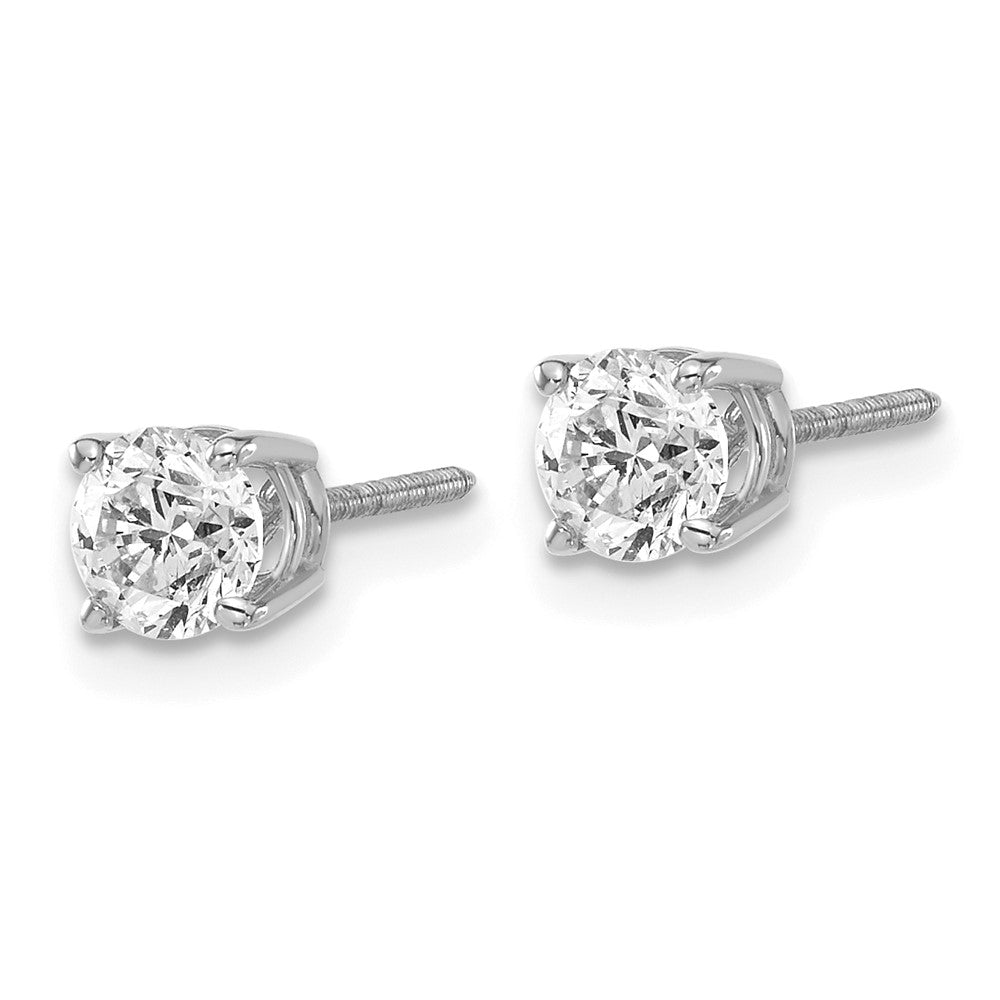
At 95% purity, platinum is naturally inert, doesn't oxidize, and almost never causes reactions. Diamond setters love it because it's virtually indestructible. The catch is the price — platinum can run 30% more than gold — and softer pieces of jewelry can scratch against it during storage. For lifetime pieces like wedding bands or signature studs, it's worth every penny.
- Extremely safe — virtually inert
- Never tarnishes or corrodes
- Heirloom-quality durability
- Expensive
- Heavier than gold or titanium
- Can scratch softer jewelry in storage
4. Solid Gold (14K or Higher, Nickel-Free)
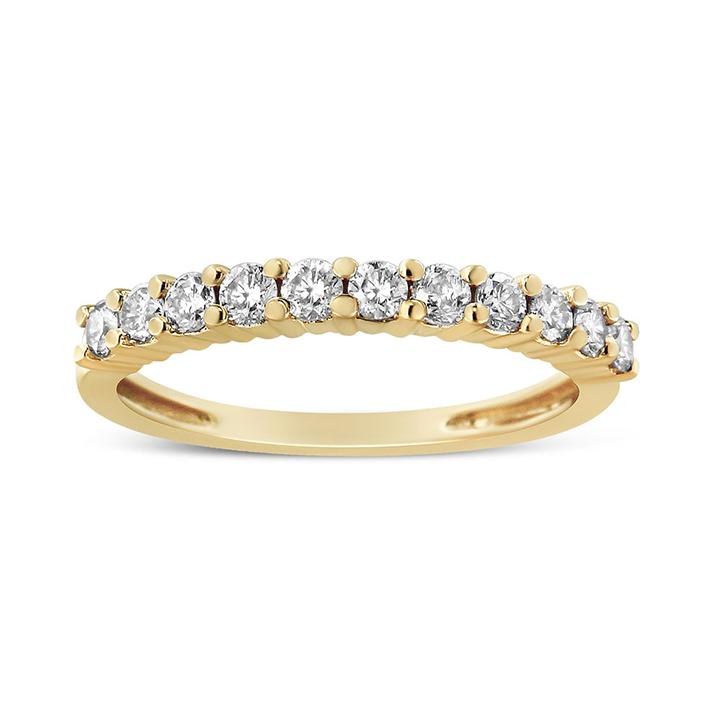
Pure 24K gold is completely hypoallergenic but too soft for everyday wear, so it's alloyed with other metals. Aim for 14K minimum, ideally 18K, and ask explicitly whether the alloy is nickel-free. Yellow gold is usually the safest; rose gold contains copper (still safe for most); and white gold can hide nickel unless palladium or platinum is used as the whitening agent.
- Classic, holds value, never tarnishes
- Safe for sensitive skin when alloyed correctly
- Wide range of colors and styles
- Expensive
- Lower karat (10K, 9K) may contain irritants
- White gold may contain nickel — verify first
5. Gold Vermeil — Affordable Luxury Done Right
Don't confuse vermeil with regular plating. True vermeil is a thick layer of 14K–18K gold (minimum 2.5 microns) over a sterling silver base — meaning both layers are hypoallergenic. It delivers the look of solid gold at a fraction of the cost and is safe for sensitive skin, provided the silver underneath is genuine 925 and nickel-free.
- Real gold finish with a hypoallergenic core
- Much more affordable than solid gold
- Beautiful, on-trend designs
- Gold layer wears down over years of daily use
- Cannot be re-plated as easily as fine jewelry
- Needs gentle care (no harsh chemicals)
6. Sterling Silver 925 — Reliable Everyday Wear
Sterling silver is 92.5% pure silver and 7.5% other metals — usually copper. Genuine 925 from a reputable jeweler is hypoallergenic for most people. Watch out for cheap "silver-plated" pieces that hide nickel or brass underneath; those are NOT the same thing. Sterling can tarnish, but a quick polish brings it back.
- Affordable and versatile
- Safe for the majority of wearers
- Naturally antibacterial
- Endless style choices
- Tarnishes over time (easily polished)
- The 7.5% alloy can contain nickel if not specified
- Not ideal for brand-new piercings (can react with healing tissue)
Metals to Approach With Caution
Surgical / Stainless Steel (316L)
Often labeled "surgical" to sound safe, stainless steel actually contains 10–14% nickel. The nickel is chemically "locked in," so most wearers tolerate it fine — but anyone with a strong nickel allergy can still react. It's durable, cheap, and tarnish-resistant, which makes it popular for fashion jewelry, but it's not truly hypoallergenic.
Tungsten
Tungsten jewelry is durable and keeps its shine, but pure tungsten is too soft for jewelry, so it's almost always alloyed — often with small amounts of nickel or cobalt. It's also heavy, which can pull on earlobes during all-day wear.
Copper
Copper itself rarely causes true allergic reactions, but it oxidizes against skin, turning earlobes green or blue. It's beautiful in artisan designs but requires constant maintenance for daily wear.
Medical-Grade Plastic
For the most reactive ears (or healing piercings), medical-grade plastic posts contain no metal at all. They're light, cheap, and safe — though posts are usually thicker and designs lean toward children's styles.
Metals to Avoid Completely
- Nickel — the #1 allergen; offers no benefit you can't get from a safer metal.
- Brass — copper-zinc alloy that oxidizes and frequently triggers reactions.
- Gold-plated fashion jewelry — the micro-thin coating wears off, exposing nickel-containing base metal.
- "Mystery" metals — if the listing doesn't specify the material, assume it contains nickel.
How to Spot Genuinely Hypoallergenic Earrings
- Look for hallmarks: 925 (sterling), 14K/18K/585/750 (gold), PT/950 (platinum), or ASTM F-136 (implant-grade titanium).
- Ask whether the posts AND backs are made from the same safe metal — not just the visible front.
- Avoid vague marketing like "hypoallergenic," "nickel-free" (without specifics), "silver-tone," or "gold-tone."
- Use a strong magnet — real gold, silver, platinum, niobium, and titanium are not magnetic.
- Patch-test new pieces by taping them inside your wrist for 24–48 hours before wearing all day.
Smart Wear Habits for Sensitive Ears
Even the safest metal can irritate if you abuse it. Put earrings on last, after perfume, hairspray, and skincare. Remove them before showering or sweaty workouts — humidity is the biggest amplifier of irritation. Wipe posts dry before storing, rotate your favorite pairs so the same pressure points aren't stressed daily, and start new earrings with short 30–60 minute test wears before committing to a full day. If a reaction appears, take them off immediately rather than pushing through.
FAQ
What's the single safest metal for sensitive ears?
Implant-grade titanium. It's nickel-free, biocompatible, lightweight, affordable, and used in medical implants. Niobium and platinum tie for a close second.
Is surgical stainless steel safe?
For most people, yes — but it does contain 10–14% nickel. If you have a strong nickel allergy, choose titanium or niobium instead.
Can I be allergic to sterling silver?
Rarely. The 7.5% alloy in sterling is usually copper, which can occasionally irritate. Look for "nickel-free 925" for maximum safety.
Are gold-plated earrings okay for sensitive ears?
Not long-term. The plating wears off and exposes the base metal — usually nickel-containing brass. Choose solid gold or gold vermeil instead.
Can I suddenly develop a metal allergy?
Yes. Nickel sensitivity can appear at any age after enough exposure — and once it develops, it's permanent.
The Bottom Line
Sensitive ears don't mean settling for boring jewelry. The smartest move is to skip the marketing buzzwords and focus on what's actually inside the metal. Implant-grade titanium is the safest, most versatile pick for daily wear. Niobium and platinum are excellent for severe allergies and special pieces. Solid 14K+ gold, gold vermeil, and nickel-free sterling silver round out a full hypoallergenic wardrobe — beautiful, reliable, and finally comfortable. Choose transparent brands that disclose exact materials, test new pairs gradually, and your ears will thank you every single time you put earrings on.

 Contact Us