

The Psychology Behind Giving Jewelry as a Gift
Giving jewelry as a gift is one of the oldest and most emotionally charged traditions in human relationships. Across cultures, generations, and relationship stages, jewelry carries meanings that go far beyond aesthetics or monetary value. A ring, necklace, or bracelet can communicate love, commitment, apology, gratitude, desire, or even a turning point in a relationship—often more powerfully than words ever could.
But why does jewelry hold such psychological weight? What makes it different from other gifts like clothes, gadgets, or experiences? The answer lies in a combination of symbolism, permanence, identity, and emotional memory. Jewelry functions as a psychological shortcut—a tangible object that represents intangible emotions.
Jewelry as a Symbol of Emotional Commitment
At its core, jewelry is symbolic. Humans are deeply symbolic thinkers, and we naturally attach meaning to physical objects. Jewelry, in particular, has long been used to represent bonds, status, and emotional ties.
When someone gives jewelry, they are often signaling emotional investment. Unlike consumable gifts, jewelry is designed to last. This durability mirrors the giver’s intention—or hope—for the relationship itself. Psychologically, the act communicates: “What we have is not temporary.”
This is why jewelry often appears at relationship milestones:
-
The first “serious” gift
-
Anniversaries
-
Engagements and weddings
-
Births and family transitions
Each moment involves a shift in emotional commitment, and jewelry becomes a marker of that shift.
Permanence and the Fear of Meaningful Gifts
One reason jewelry feels so powerful—and sometimes intimidating—is its permanence. Giving jewelry can feel risky. Unlike flowers or a dinner date, it doesn’t disappear the next day. It stays, and with it, the meaning attached to the giver.
Psychologically, people hesitate to give jewelry early in a relationship because it may communicate a level of seriousness they’re not ready to claim. This explains why many people unconsciously ask themselves:
-
“Is it too soon?”
-
“What will this imply?”
-
“Will this pressure them?”
Jewelry forces emotional clarity. Even minimalist pieces can carry outsized emotional interpretation, which is why givers often overthink the choice.
Jewelry as a Form of Nonverbal Communication
One of the most fascinating psychological aspects of jewelry gifting is that it functions as nonverbal emotional language. The giver communicates something deeply personal without explicitly stating it.
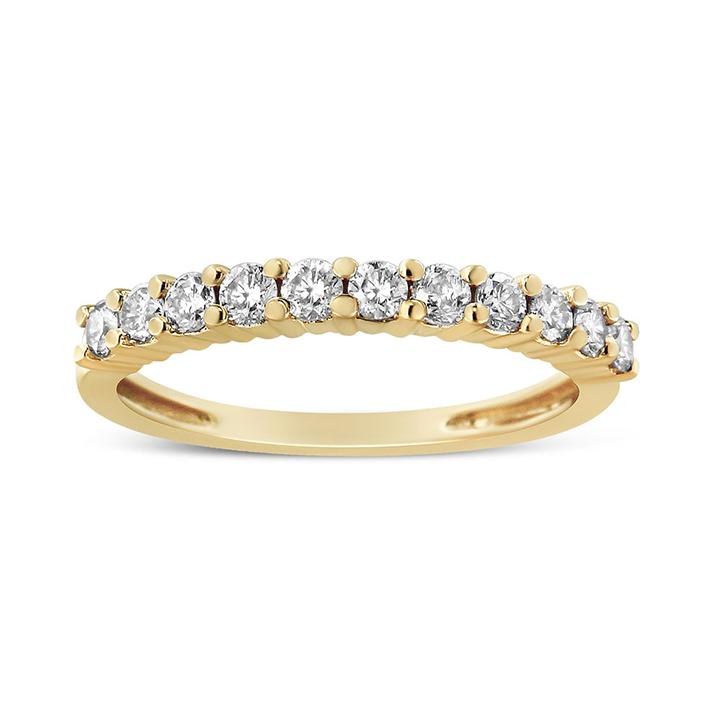
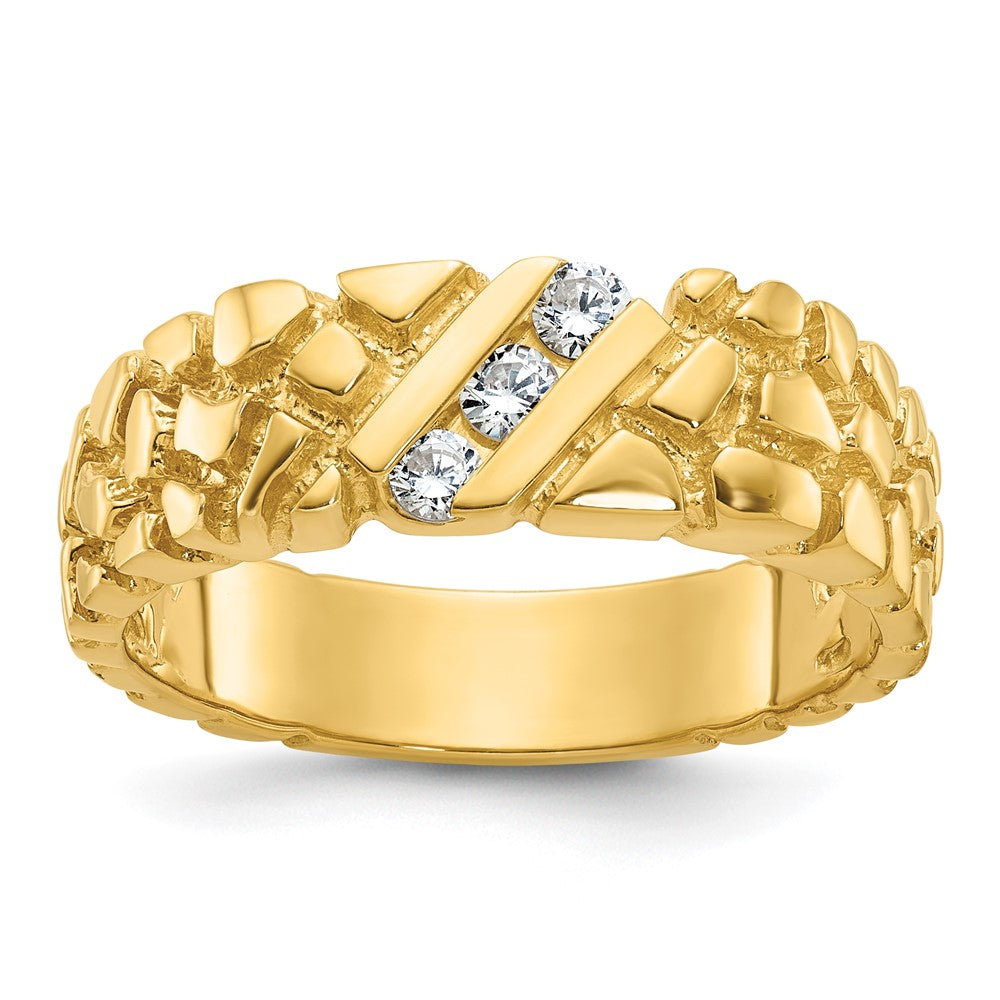
A ring may say:
-
“I want a future with you.”
-
“I choose you.”
-
“I see you as part of my life.”
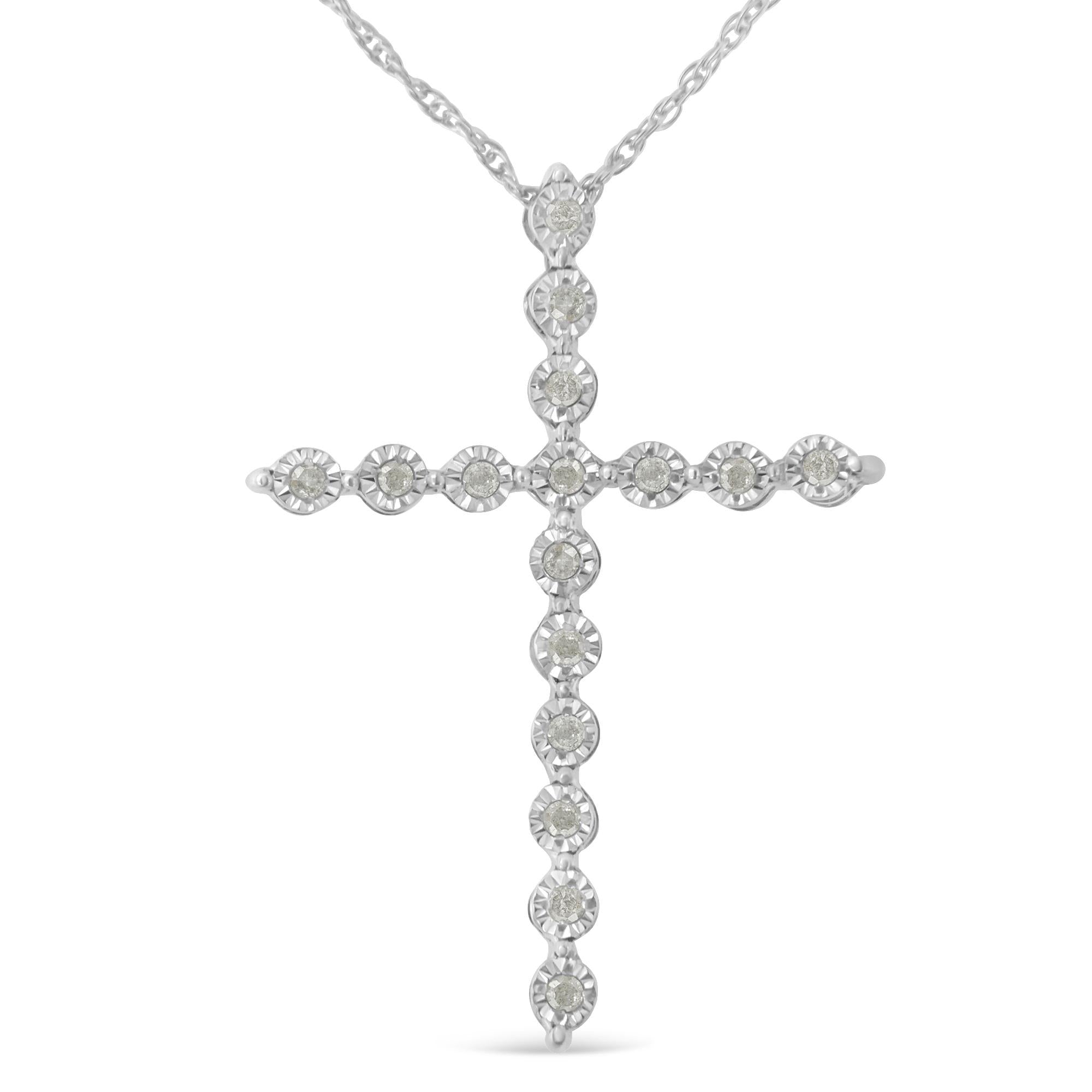
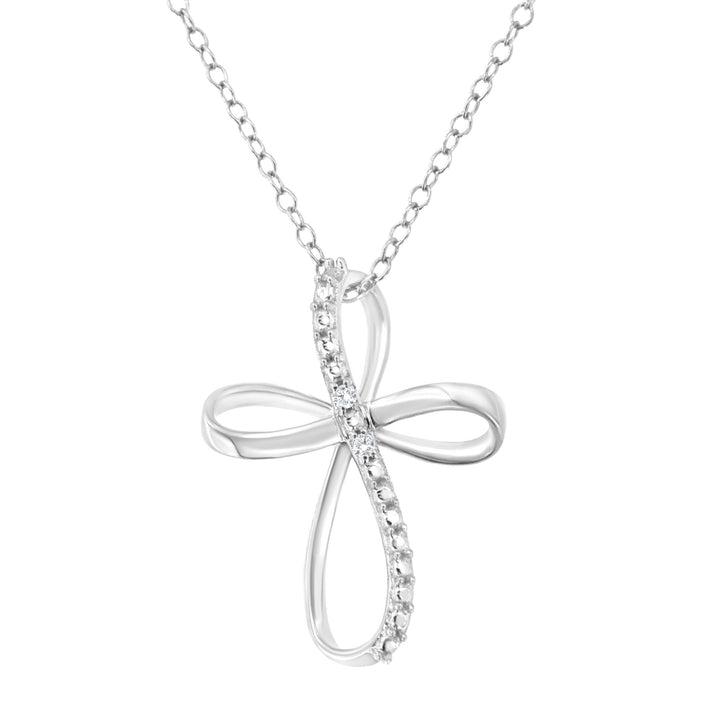
A necklace may say:
-
“I think about you when I’m not there.”
-
“I want to stay close to you.”
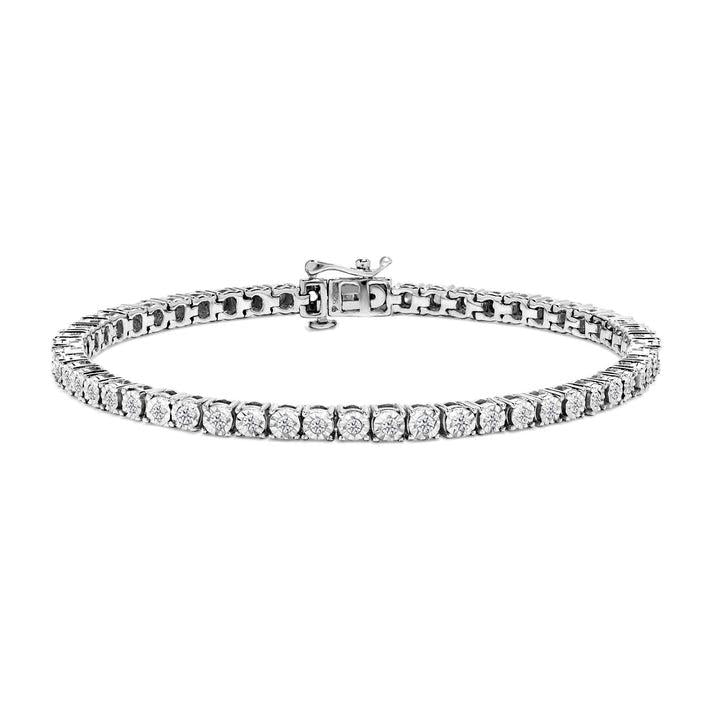
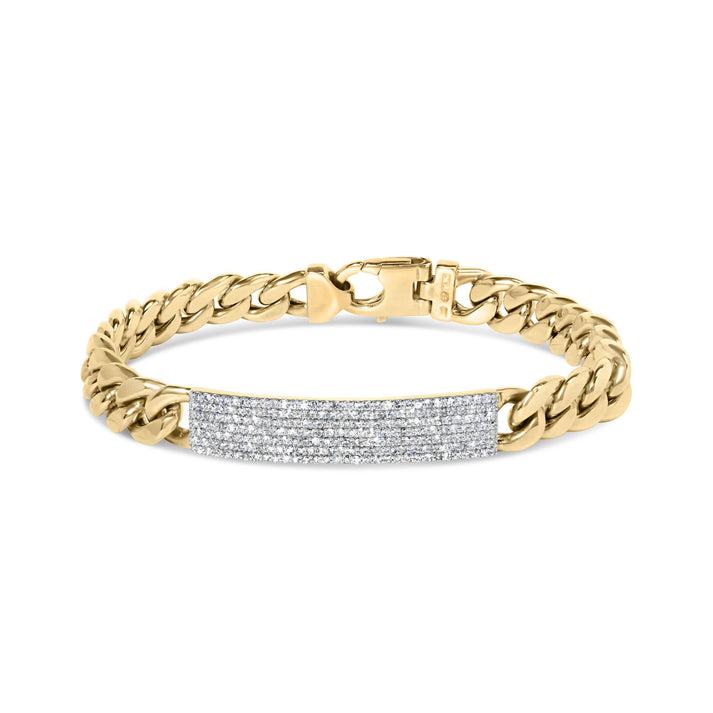
A bracelet may say:
-
“I notice the small details about you.”
Because jewelry is worn on the body, it becomes intimate. It enters the recipient’s personal space and daily routine, reinforcing the emotional message repeatedly over time.
Identity, Self-Concept, and Jewelry
From a psychological perspective, jewelry also interacts with identity. People don’t just wear jewelry—they incorporate it into how they see themselves.
When someone gives jewelry that aligns with the recipient’s personality, style, or values, it creates a powerful sense of being understood. This triggers emotional validation:
-
“They really know me.”
-
“They see who I am.”
-
“They pay attention.”
That feeling of being seen strengthens emotional bonds far more than expensive but impersonal gifts.
Conversely, jewelry that clashes with someone’s identity may feel uncomfortable—not because it’s unattractive, but because it disrupts self-image. This is why thoughtful selection often matters more than price.
Emotional Memory and Jewelry as an Anchor
Psychologists often talk about emotional anchors—objects or experiences that instantly evoke memories and feelings. Jewelry is one of the strongest emotional anchors because it is:
-
Tangible
-
Long-lasting
-
Repeatedly encountered
Each time the recipient wears the piece, it can reactivate the memory of the moment it was given: the conversation, the surprise, the emotional state. Over time, the jewelry absorbs emotional layers, becoming more meaningful with age.
This explains why people often struggle to part with jewelry even after relationships end. The object is no longer just metal or stone—it holds a personal emotional archive.
Jewelry and Attachment Styles
Attachment psychology also plays a role in how people give and receive jewelry.
-
Secure attachment: Jewelry is given as a natural expression of closeness, without anxiety or pressure.
-
Anxious attachment: Jewelry may be used as reassurance—proof of love or commitment.
-
Avoidant attachment: Jewelry gifts may be delayed or minimized due to fear of emotional dependence.
Understanding this dynamic explains why the same gift can feel romantic to one person and overwhelming to another. The emotional interpretation depends less on the object and more on the recipient’s attachment framework.
Social Signaling and Public Meaning
Jewelry doesn’t only communicate privately—it also sends signals to the outside world. Engagement rings, wedding bands, and even matching jewelry function as public markers of relationship status.
Psychologically, this serves two purposes:
-
Boundary setting – signaling exclusivity or commitment to others
-
Social validation – reinforcing the relationship through recognition
This public dimension increases the emotional weight of jewelry. The recipient isn’t just accepting a gift—they’re accepting a shared social identity.
Gender Psychology and Jewelry Gifting
Although modern norms are evolving, gender expectations still influence how jewelry is perceived.
Traditionally:
-
Jewelry given by men is associated with commitment, provision, and intention.
-
Jewelry given by women is associated with intimacy, sentiment, and emotional depth.
These stereotypes aren’t universal, but they shape subconscious expectations. When someone breaks these norms—such as a woman giving a ring or a man receiving jewelry—it can feel especially meaningful because it signals intentional choice rather than social habit.
Jewelry as a Tool for Emotional Repair
Another overlooked psychological function of jewelry is its role in emotional repair. Jewelry is often given after:
-
Conflict
-
Distance
-
Life stress
-
Emotional neglect
In these moments, jewelry becomes a symbolic apology or a bridge back to connection. Because it is lasting, it suggests that the giver wants to restore not just the moment, but the future.
However, psychology also warns that jewelry cannot replace communication. When used without emotional accountability, it may feel hollow or transactional.
Why Jewelry Often Outlasts Relationships
Many people keep jewelry long after relationships end—not because they want the relationship back, but because the object has taken on independent meaning.
Psychologically, the jewelry becomes associated with:
-
A version of oneself
-
A life chapter
-
Emotional growth
-
A significant transition
In this way, jewelry evolves from a relationship symbol into a personal artifact.
The Ultimate Psychological Power of Jewelry Gifts
What makes jewelry uniquely powerful is not luxury or tradition—it’s emotional compression. Jewelry compresses complex feelings—love, hope, memory, commitment—into a single wearable object.
It doesn’t require explanation. It doesn’t expire. And it continues to speak long after the moment of giving has passed.
That is why, across centuries and cultures, humans keep returning to jewelry when emotions matter most. It is not just a gift. It is a message, an anchor, and a mirror of how we connect to one another.

 Contact Us