

14K Gold Explained: Is It Real? Is It Worth It? Everything You Need to Know

14K gold is the world's most popular gold for jewellery — and there's a reason it shows up in everything from name necklaces to engagement rings to everyday studs. But what exactly is it? Is it "real" gold? How much is it worth? And is it the right choice for your next purchase? This guide answers every one of those questions in plain English.
What Is 14K Gold? (The 58.3% Rule)
14K gold is an alloy made up of 14 parts pure gold and 10 parts other metals, out of a total of 24 parts. That works out to exactly 58.3% pure gold and 41.7% alloy metals like copper, silver, zinc, and sometimes palladium or nickel.
The "K" stands for karat — a unit of measurement for gold purity (not to be confused with "carat", which measures the weight of a diamond). The higher the karat number, the more pure gold the piece contains. Pure gold is 24K; everything below that is an alloy.
You can identify genuine 14K gold by its hallmark stamp. Look inside a ring band, behind an earring post, or on the clasp of a necklace for a "14K" or "585" stamp (585 = 58.5% gold, the European numerical equivalent).
Is 14K Gold Real Gold?
Yes — absolutely. Don't let anyone tell you otherwise. 14K gold contains 58.3% pure, genuine gold, which makes it a precious and valuable metal in every meaningful sense. The other 41.7% of the alloy isn't filler — it's there to make the piece strong enough to wear every day without bending, scratching, or losing its shape.
This is a big distinction from gold-plated jewellery, which has only a microscopic layer of gold over a base metal core. Plated pieces quickly rub off, exposing reactive metals that tarnish and can irritate skin. 14K gold, by contrast, is gold all the way through — solid, valuable, and built to last decades.
Why Pure Gold Isn't Used for Jewellery
Pure 24K gold is beautiful, but it has a serious problem for jewellery: it's incredibly soft. You could literally bend a 24K gold ring with your bare hands. Pure gold scratches, dents, and deforms with normal daily contact — typing on a keyboard, washing dishes, even carrying a handbag would all leave their mark.
That's why jewellers alloy gold with other metals. Each one plays a specific role:
- Copper — adds strength and gives gold a warm, reddish tone (which is why rose gold has a higher copper content).
- Silver — lightens the colour and makes the alloy easier to work with.
- Zinc — helps everything blend smoothly during casting.
- Palladium or nickel — used in white gold for a silvery appearance.
The combination is what gives 14K gold its perfect balance: strong enough to handle daily life, but with more than half its content as pure precious gold.
The Colours of 14K Gold
14K gold isn't just yellow. The mix of alloy metals creates different colours, each suited to different aesthetics:
Yellow Gold
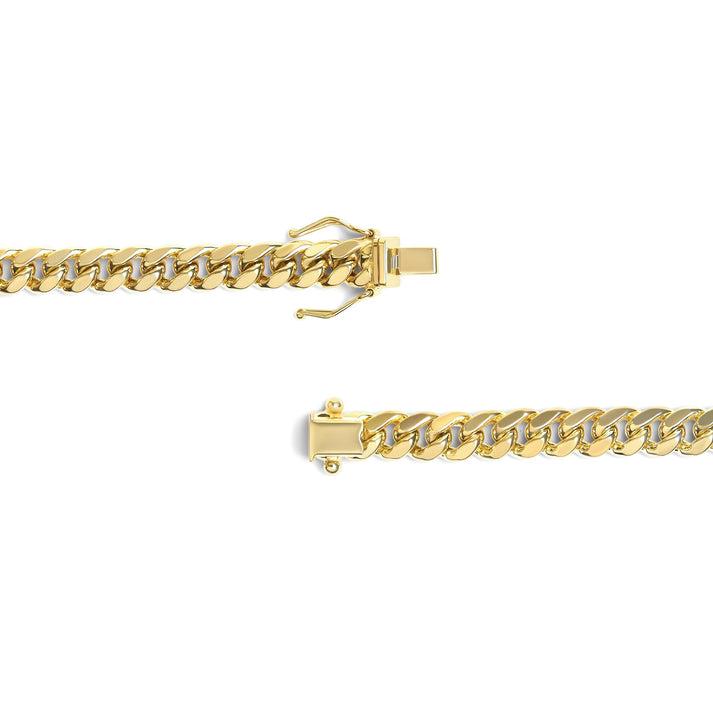
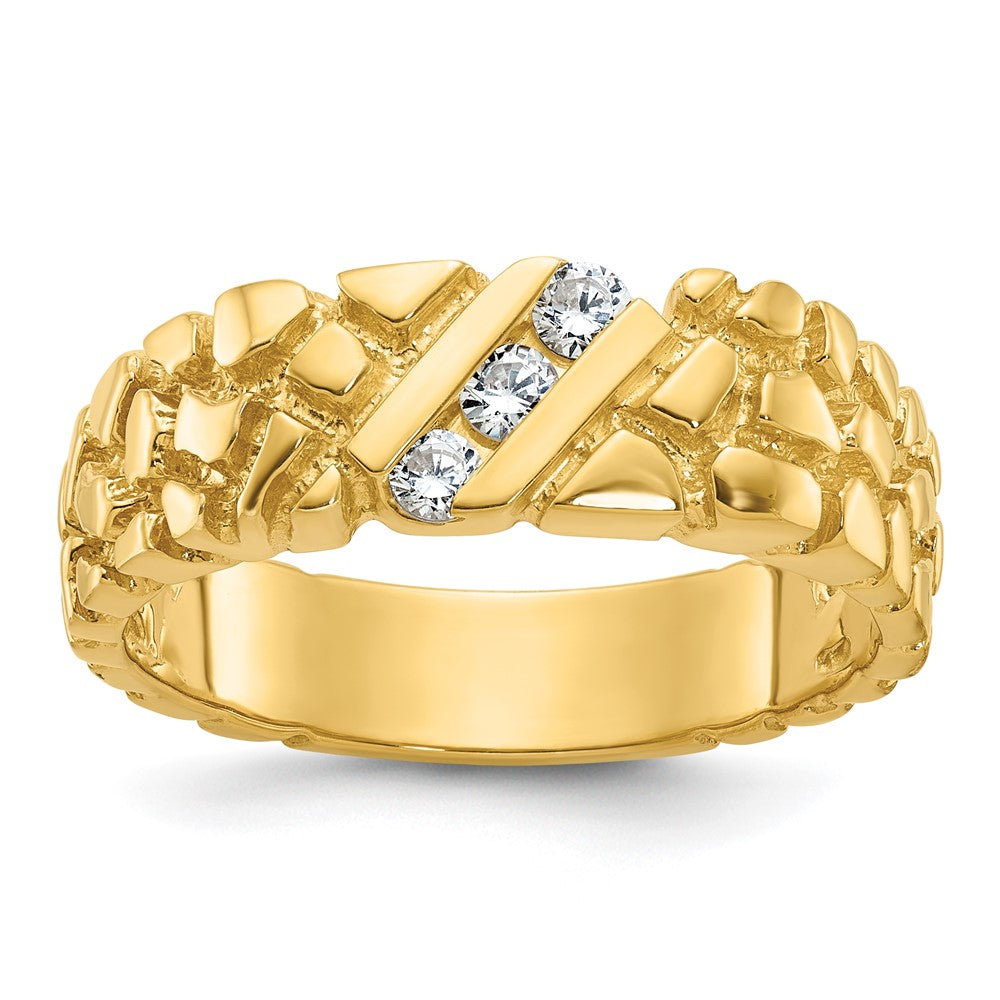
The classic, warm hue. Made by alloying pure gold with copper and silver. Timeless, versatile, and especially flattering on warm skin tones.
Rose Gold
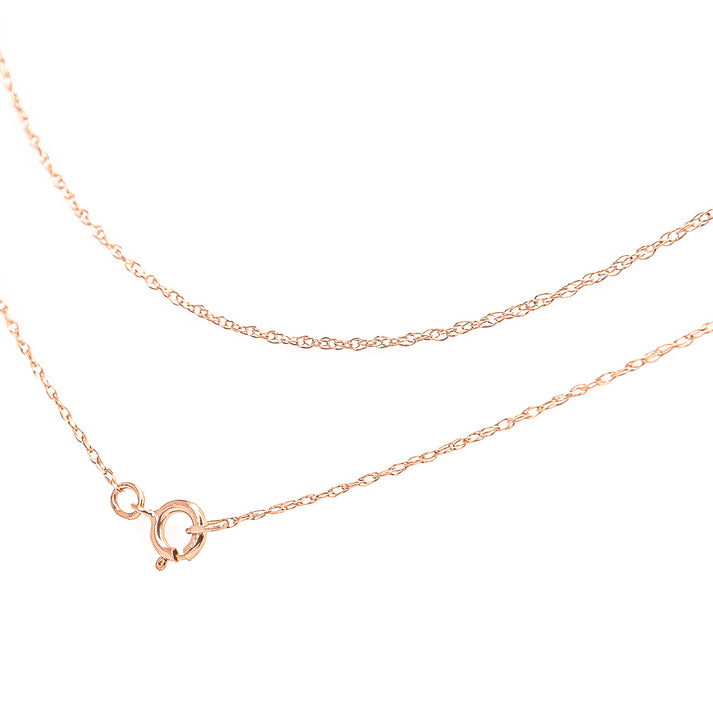
Pinkish-reddish hue created by adding more copper. Romantic and vintage-feeling. Popular for engagement rings, watches, and bracelets.
White Gold
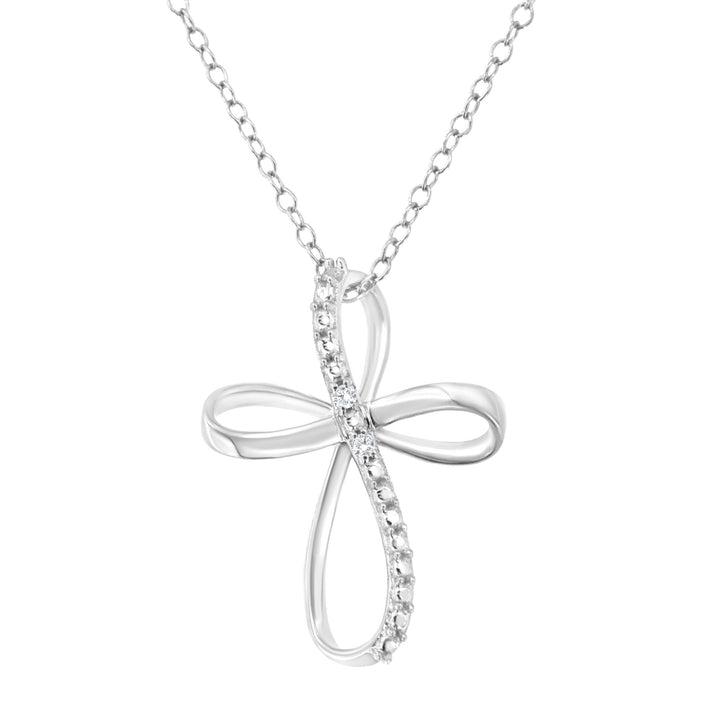
Silvery appearance achieved with white metals like silver, nickel, or palladium. Often coated with rhodium for extra brightness. A modern, sleek look.
Green Gold
A rare alloy of gold and silver, mimicking the naturally-occurring metal electrum. Has a subtle greenish tint. Less common but distinctive.
14K vs 10K vs 18K vs 24K — Side by Side
Choosing the right karat is about matching durability and value to how you'll actually wear the piece. Here's how they stack up:
- 24K gold — 99.9% pure. Stunning colour, but far too soft for everyday jewellery. Mostly used for investment, ceremonial pieces, or display.
- 18K gold — 75% pure. Richer yellow than 14K, slightly softer, costs noticeably more. Excellent for fine jewellery worn with care.
- 14K gold — 58.3% pure. The sweet spot of beauty and durability. Resists bending, scratching, and bending better than 18K.
- 10K gold — 41.7% pure. The minimum legal gold content to be called "gold" in the US. Hardest of the karats, but pale yellow colour and lower intrinsic value.
For most everyday jewellery — earrings, rings, name necklaces, bracelets — 14K wins because it offers more than half pure gold content while still being durable enough for typing, cooking, traveling, and everything else real life throws at it.
How Much Is 14K Gold Worth?
There are two different ways to think about value:
Scrap Value (the raw gold content)
This is what a refinery would pay you based purely on the gold content. Gram for gram, 14K is worth less than 18K or 24K because it contains less pure gold. But it still holds solid, real value — typically around 80–90% of market price when you sell it.
Retail Value (what you pay or sell for)
This is dramatically different from scrap. Retail value depends on brand, design, craftsmanship, gemstones, rarity, and the overall finished piece. A 14K diamond ring from a luxury brand can sell for many times its scrap value. A plain 14K chain mostly tracks the gold content.
How to Calculate the Scrap Value of Your 14K Gold
If you have an old piece you're thinking of selling, here's the exact formula refineries use:
3-Step Scrap Value Formula
Example: a 14K ring weighing 4 grams, with gold trading at $3,695 per ounce.
- Convert weight to troy ounces:
4g ÷ 31.1 = 0.1286 troy oz - Multiply by current gold price:
0.1286 × $3,695 = $475.18 - Take 58.3% (the 14K purity):
$475.18 × 0.583 = $277
Result: ~$277 in scrap value for that 4-gram 14K ring.
Keep in mind that refineries pay roughly 80–90% of that scrap calculation to cover their processing costs, so a $277 ring might fetch around $220–$250 at a reputable buyer. Two 14K pieces of equal weight will have nearly identical scrap value regardless of whether they're yellow, white, or rose gold — the small differences in alloy metals don't change the calculation meaningfully.
Does 14K Gold Tarnish?
Here's the honest answer: yes, but only under certain conditions — and it's easily preventable. Pure gold doesn't tarnish at all, but the alloy metals in 14K (copper, silver, zinc) can react with moisture, sweat, chlorine, and harsh chemicals over time.
You'll know your 14K is starting to tarnish if you notice:
- A gradual loss of shine over months or years
- Slight darkening or dulling, especially in crevices
- A faint greenish residue on skin (typically from copper content)
The good news is that tarnish on 14K gold is slow to develop and often reversible with proper cleaning. It will never chip or flake the way gold-plated jewellery does, and a soft cloth with mild soap and water will usually restore the shine. For comparison, 18K gold tarnishes even less because it contains more pure gold and fewer reactive metals — but 14K still resists tarnishing far better than any plated or lower-karat alternative.
5 Ways to Tell If Your 14K Gold Is Real
Got a piece you're not 100% sure about? Run these tests before you assume the worst:
- Check the hallmark stamp. Look for "14K" or "585" stamped on the inside of a ring band, behind an earring post, or on a necklace clasp. Most genuine pieces also carry a maker's mark or assay office stamp.
- The magnet test. Hold a strong magnet near the piece. Real gold is not magnetic — if it sticks, it's likely a base-metal core with a thin gold layer.
- The water test. Drop the piece into a glass of water. Real gold is dense and will sink immediately. Fake or hollow plated pieces tend to float or sink slowly.
- The skin test. Wear it for a few days. Real 14K gold won't turn your skin green or black (some skin chemistries can react to the copper content, but it shouldn't be dramatic). Plated jewellery often leaves a tell-tale ring.
- Get a professional test. For conclusive proof, take the piece to a jeweller and ask for an acid test or electronic gold tester. Both methods are non-destructive and definitive.
Pros & Cons of 14K Gold
Pros
- Real gold — 58.3% pure precious metal
- Built for daily wear — resists bending and scratching
- More affordable than 18K or 22K
- Won't chip or flake like plated jewellery
- Excellent resale value — typically 80-90% of market price
- Hypoallergenic for most people
- Available in many colours — yellow, rose, white, green
- Lasts decades — wedding bands worn 50+ years
Cons
- Less pure than 18K or 24K (lower gold content)
- Can tarnish slowly with poor care
- Lower resale value than higher-karat gold
- May trigger allergies if alloy contains nickel
- Colour slightly paler than 18K yellow gold
- Rings & bracelets show wear faster than necklaces or earrings
- Not ideal for pure investment — 24K holds gold value better
- Price fluctuates with daily gold market
How to Care for 14K Gold Jewellery
Properly cared for, a piece of 14K gold can outlast its owner — wedding bands routinely make it 50, 60, even 70 years. Here's how to make sure yours does:
- Clean regularly. Wipe down with a soft cloth after wearing. Once a month, soak in warm water with a drop of mild dish soap, gently brush with a soft toothbrush, rinse, and pat dry.
- Remove before showering or swimming. Chlorine, salt water, and even some soaps can accelerate tarnishing over time.
- Take it off for exercise. Sweat is mildly acidic and corrosive to alloy metals. Heavy lifting and friction also speed up surface wear.
- Skip the chemicals. Apply perfume, lotion, and hairspray before putting on your jewellery — never after.
- Store properly. Keep pieces in separate compartments or pouches to prevent scratching against each other. A cool, dry jewellery box is ideal.
- Get yearly professional cleaning. Once a year, take your pieces to a jeweller for a deep clean and inspection. They'll catch loose stones and worn prongs you'd miss.
Quick Summary Table
An at-a-glance reference for everything 14K. Scroll horizontally on mobile to see the full table.
| Feature | 10K Gold | 14K Gold | 18K Gold | 24K Gold |
|---|---|---|---|---|
| Pure Gold Content | 41.7% | 58.3% | 75% | 99.9% |
| Hallmark Stamp | 10K / 417 | 14K / 585 | 18K / 750 | 24K / 999 |
| Durability | Highest | Excellent | Very good | Very soft |
| Best For | Heavy daily wear, budget | Everyday fine jewellery | Special pieces, gifts | Investment, display |
| Tarnish Resistance | Moderate | Good | Very good | Excellent |
| Colour Richness | Pale yellow | Warm yellow | Rich yellow | Deepest yellow |
| Relative Price | Lowest | Moderate | Higher (25-40% more) | Highest |
| Resale Value | Lowest | Strong (80-90%) | Higher | Highest |
| Hypoallergenic | Lower (more alloy) | Generally yes | Excellent | Excellent |
Frequently Asked Questions
Is 14K gold considered real gold?
Yes, absolutely. 14K gold contains 58.3% pure gold mixed with other metals (copper, silver, zinc) for strength. It is genuine, valuable precious metal — not plating or imitation. Don't let anyone tell you otherwise.
What does the "585" stamp mean?
"585" is the European numerical equivalent of "14K". Both indicate 58.5% pure gold content (the actual percentage rounds to 58.3%). Either stamp confirms genuine 14K gold.
Will 14K gold turn my skin green?
For most people, no. Some skin chemistries react to the copper content in 14K gold and may show faint green marks, especially with humid weather or sweat. This is harmless and washes off easily. If you're particularly sensitive, look for 14K with palladium-based alloys rather than copper-heavy ones.
Is 14K gold hypoallergenic?
For the vast majority of wearers, yes. 14K gold is generally well-tolerated and recommended for people with metal sensitivities, especially for earrings worn continuously. The exception is if your specific piece contains nickel in the alloy — ask the jeweller if you have known nickel allergies.
Does 14K gold tarnish in water or chlorine?
Over time and with repeated exposure, yes. Chlorine in pools and hot tubs is especially harsh. Take off your 14K before swimming, showering, or going in hot tubs. Brief water exposure (like washing your hands) is fine.
Is 14K better than 18K?
Neither is universally "better" — they're suited to different needs. 14K is more durable and affordable, making it ideal for daily wear. 18K has richer colour, contains more pure gold, and tarnishes less, making it better for special-occasion pieces. For everyday rings, earrings, and necklaces, most experts recommend 14K.
Can 14K gold last a lifetime?
Yes. With basic care, 14K gold jewellery routinely lasts 50, 60, even 70 years. Wedding bands and family heirloom pieces are often 14K precisely because the alloy is built to survive decades of continuous wear without losing its shape or beauty.
How can I tell if my 14K gold is real?
Check for a "14K" or "585" stamp inside the piece, do the magnet test (real gold isn't magnetic), and for definitive proof, take it to a jeweller for an acid test or electronic gold tester. A magnet, a glass of water, and your jeweller's eye will catch nearly every fake.
What's the difference between 14K solid gold and 14K gold-plated?
Solid 14K gold is the same composition all the way through. 14K gold-plated jewellery has only a microscopic layer of 14K gold over a base metal core (brass, copper, etc.). Plating wears off within months to a couple of years; solid 14K is a lifetime investment.
Should I buy 14K gold as an investment?
If pure investment is your goal, 24K gold (or gold bullion) is better because it holds 100% of its gold value. 14K gold is more about wearable value — beauty and durability you actually enjoy daily, with a respectable resale value of around 80-90% of market price if you ever sell.
Does 14K gold come in different colours?
Yes — yellow, rose, white, and (more rarely) green, blue, and purple. The colour depends on the alloy metals mixed with the pure gold. Yellow uses copper and silver; rose has more copper; white uses palladium or nickel; green uses more silver.
Real Gold. Real Durability. Real Value.
14K gold is the smartest choice for jewellery you'll actually wear every day — beautiful enough to turn heads, strong enough to last a lifetime.

 Contact Us