

How to choose an engagement ring

An engagement ring is not just a piece of jewelry, but a symbol of serious intentions and the beginning of a new chapter in a relationship. It marks one of the most important moments in a couple’s life and eventually becomes a cherished family heirloom. That is why choosing it deserves careful thought and attention to every detail.
Determine Your Budget
The first step is to set a clear budget. This will help narrow down the choice of styles, metals, and stones while avoiding unnecessary expenses. When you define your financial limits in advance, the selection process becomes much simpler and more intentional.
Remember to consider not only the cost of the ring itself, but also possible extra expenses: engraving, resizing, diamond certification, or gift packaging. Choose a comfortable price range and stick to it—don’t give in to impulsive decisions.
Keep in mind: the perfect ring is not necessarily the most expensive one, but the one that suits your partner, matches her style, and looks harmonious in everyday life.
Choose the Metal for the Band

The metal defines the overall character of the ring and affects not only its appearance but also its durability and comfort when worn. The shade of the metal can enhance the sparkle of the stone, complement skin tone, and harmonize with other jewelry.
Most popular options:
-
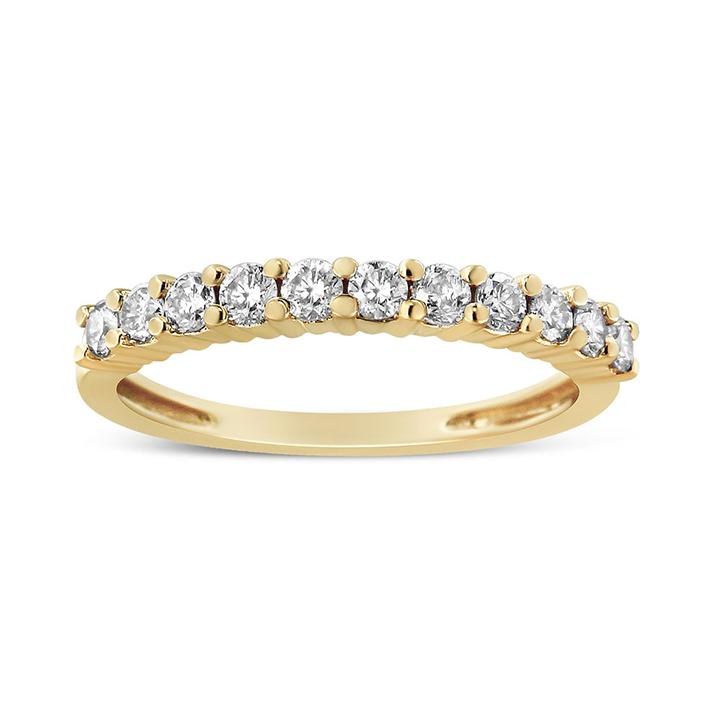
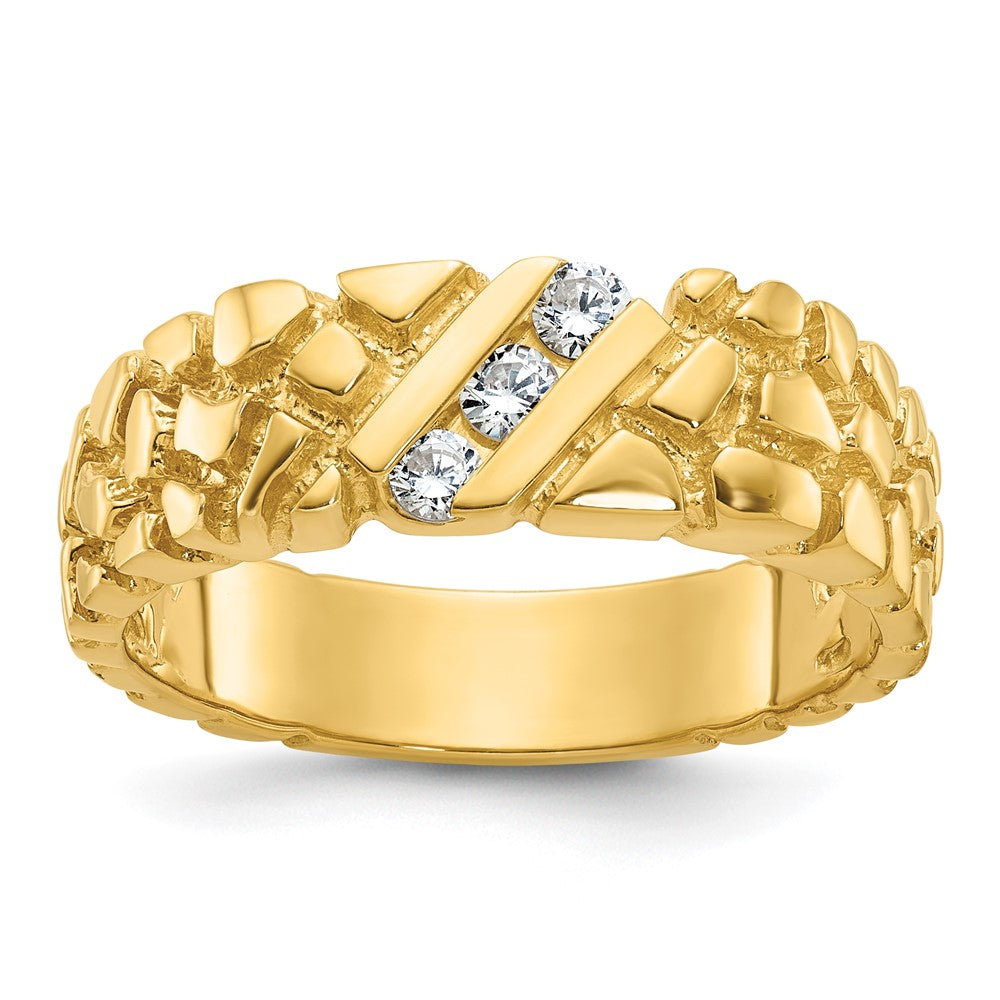
Yellow gold – a warm classic look that is gaining popularity again in Europe and the USA. It pairs beautifully with both round stones and oval or emerald cuts.
-
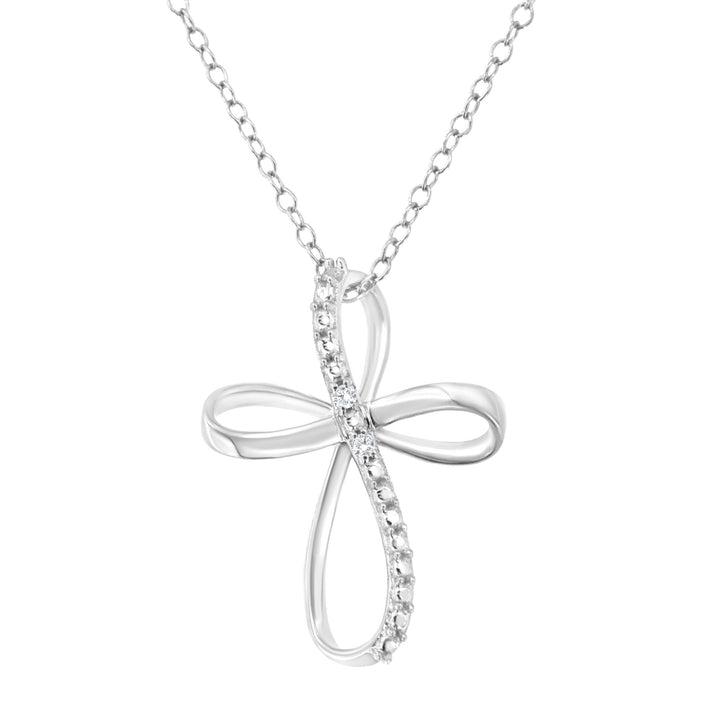
White gold – a modern and versatile choice that enhances the brilliance of a diamond and looks restrained and elegant.
-
Rose gold – a romantic and delicate option with a soft tone that adds lightness to the look.
-
Platinum – an extremely strong and wear-resistant premium metal. It is heavier than gold and ideal for everyday wear, especially if the stone has an intricate setting.
Also pay attention to the metal’s purity (hallmark) and its resistance to wear.
Choose the Stone and Its Cut
The center stone is the main focal point of the ring. The most popular choices are:
-
Diamond – the classic choice for an engagement ring.
-
Lab-grown diamond – an eco-friendly alternative at a more affordable price.
-
Cubic zirconia or other stones – budget-friendly options that still look stunning.
To properly evaluate a diamond’s quality, use the 4Cs – the international standard that determines a stone’s value:
-
Carat (weight) – affects the size of the diamond. Remember that a larger carat doesn’t always mean better sparkle.
-
Color – ranges from colorless to slightly yellowish. The most valuable stones are nearly colorless (D–F).
-
Clarity – shows the presence of internal or external inclusions. Flawless diamonds have virtually none, but minor inclusions can be invisible to the naked eye.
-
Cut – the most important factor for brilliance. A well-cut diamond captures and reflects light beautifully.
Tip: When choosing a ring, aim for balance among all 4Cs. Sometimes a smaller stone with an excellent cut looks more impressive than a larger carat with a poor cut.
Stone Shapes

The shape (cut) greatly influences the ring’s style:
-
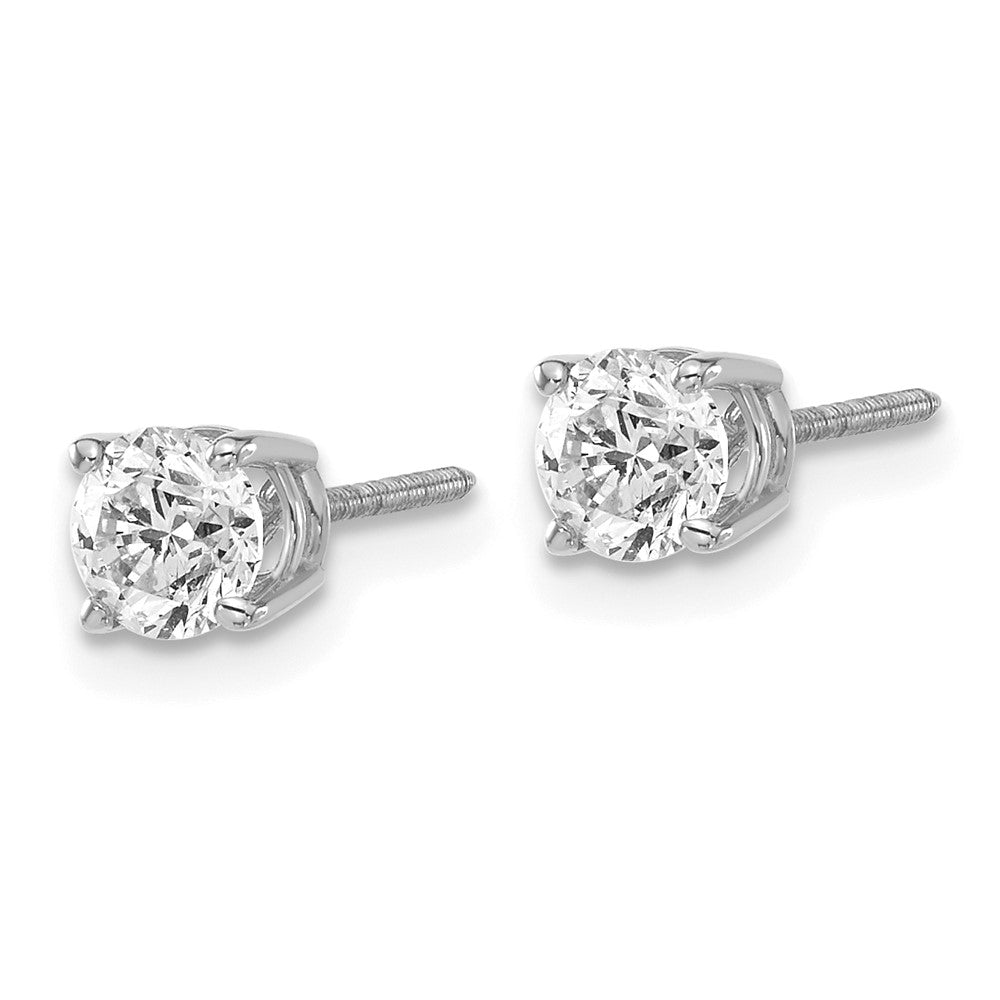
Round – maximum sparkle and versatility.
-
Princess cut – a modern square shape with crisp geometry.
-
Oval – graceful and elegant.
-
Pear – teardrop shape that adds tenderness.
-
Emerald cut – restrained rectangular shape with deep brilliance.
-
Marquise – elongated shape with pointed ends.
-
Cushion cut – soft rounded corners with a vintage feel.
-
Radiant cut, Asscher cut – geometric options with striking sparkle.
Tip: Elongated shapes (oval, pear, marquise) visually lengthen the fingers. Princess and emerald cuts emphasize modern elegance and structure.
Choose the Ring Style
The style determines the overall impression of the piece and how it will look in daily life. The design reflects your partner’s personality, lifestyle, and aesthetic preferences. Pay attention not only to the stone but also to the band shape, setting type, and decorative elements.
Classic style
A single center stone on a thin band – timeless minimalism. It looks restrained, elegant, and pairs easily with any wedding band. Most often a round or princess-cut stone in a simple setting.
Modern style
Unusual stone shapes, mixed metals, asymmetry, or unique stone settings. Modern designs may feature geometric lines or open settings. Perfect for those who value individuality and bold design choices.
Vintage style
Intricate filigree details, ornate bands, micro-pavé with small stones, and retro-inspired elements. These rings look refined and romantic, especially with emerald or cushion cuts.
Halo design
A center stone surrounded by small diamonds that create extra sparkle. This design visually enlarges the stone and makes the ring more striking. Halo rings are often chosen by those who want maximum impact without a big increase in budget.
A well-chosen style turns the ring into something truly personal – a piece that fits seamlessly into everyday life and remains relevant for many years.
How to Determine the Correct Size
Getting the right size is one of the most important details, especially if you’re planning a surprise. The ring should neither be too tight nor slip off the finger, since it is usually worn every day. Comfort is just as important as design or stone.
Ways to find the correct size:
-
Take a ring she already wears and have a jeweler measure it. Make sure it is worn on the ring finger of the right or left hand (depending on tradition).
-
Carefully measure the circumference of the finger with thread or a thin strip of paper and compare it to a size chart. Measure in the evening when fingers are at their natural size (they can swell slightly during the day).
-
Ask friends or family to discreetly find out the size.
-
Use an online program or mobile app. Many jewelry websites offer a camera-based measurement tool or an interactive template that lets you place a ring on the screen for comparison.
Tip: Consider the width of the band. A wider band feels tighter, so sometimes it’s recommended to choose half a size larger.
If the size still isn’t right, most classic rings can be resized. However, complex designer pieces, rings with a full eternity band, or non-standard band shapes may not be adjustable. Always check with the jeweler about possible adjustments before buying.
Practicality and Comfort

An engagement ring is worn daily, so comfort and practicality matter a lot. The piece should not interfere with daily activities, catch on clothes, or cause discomfort during an active lifestyle.
Key points to consider:
-
Stone height – stones set too high can snag on clothing, bags, or hair. For everyday wear, choose models with moderate stone height.
-
Band thickness – the ring should sit comfortably and pair well with a future wedding band. Thin bands look delicate; wider ones can feel bulkier and heavier.
-
Metal durability – if the ring will be worn constantly, choose strong metals that resist scratching and keep their shine longer.
-
Ergonomic design – smooth inner surfaces and a well-designed setting ensure all-day comfort.
Remember: an engagement ring should be not only beautiful but also practical, so its owner can wear it every day and enjoy every moment without extra discomfort.
Where to Buy
Choose a jewelry store with a good reputation. This affects not only the quality of the ring but also your peace of mind during and after the purchase. A trusted store guarantees that the metal and stone match the stated characteristics and that the piece will serve reliably for years.
Advantages of buying from a reputable jeweler:
-
Quality metal – correct hallmark, durability, and wear resistance.
-
Diamond or stone certificate – proof of authenticity and characteristics (especially important for expensive stones).
-
Service and maintenance – cleaning, polishing, and restoration of shine.
-
Warranty and resizing – most jewelers offer resizing or minor repairs after purchase.
In large, established stores you can often try on several models, get expert advice, and use online selectors or 3D visualization. This makes the choice more confident and thoughtful—especially useful when buying a surprise ring for a special occasion.
Ring Insurance
An expensive engagement ring is not only jewelry but also a financial investment and a precious keepsake. Insurance protects against loss, theft, or damage and allows quick compensation in unforeseen situations. This is especially relevant for rings with large diamonds, platinum, or other high-value metals.
Before purchasing a policy, carefully read the terms: check which risks are covered (loss, theft, damage, accidental destruction, or even natural disasters). Some policies include additional benefits such as free servicing after repair or restoration of stone certificates.
Ring Care
To keep the ring sparkling and beautiful for years, follow a few simple rules. First, remove it during sports, working with tools, or contact with household chemicals—this protects the metal and stone from damage.
Regular cleaning is also important: gently wipe the ring with a soft cloth or mild soapy solution to remove dust and dirt. About once a year, visit a jeweler for a professional check of the settings, polishing, and deep cleaning. This keeps the stone’s brilliance and the setting’s integrity intact.
Store the ring separately from other jewelry in a soft case or fabric pouch to avoid scratches and friction. Proper care ensures not only beauty but also the longevity of your ring, preserving its value as a symbol of special moments for many years to come.
Conclusion
Choosing an engagement ring combines rational decisions with sincere emotions. It’s important to consider not only budget, metal, stone, and style, but also everyday comfort, the correct size, and your partner’s personal preferences. Modern trends allow for minimalist or vintage designs, unusual stone shapes, yellow gold, and personalization, making each ring unique. But above all, the ring should reflect your partner’s character and style, become a personal symbol of the start of your shared life, and create happy memories for many years ahead.

 Contact Us