

How to Choose Earrings for Sensitive Ears

Earrings are one of the most popular everyday accessories. They highlight your style, complete your look, and can carry symbolic meaning. However, for many people, wearing earrings is associated with discomfort. Itching, redness, burning, or even inflammation — these are all common signs of ear sensitivity to certain metals.
Such reactions are quite frequent because the skin in the pierced area is very thin and constantly in contact with metal. Poorly chosen earrings can cause irritation or an allergic reaction.
Why Ears Become Sensitive
Ear sensitivity is most often linked to an allergic reaction to metal. When certain substances come into contact with the skin, the body may treat them as irritants.
The most common cause of such reactions is nickel — a metal frequently used in jewelry alloys to increase durability. It is present in many inexpensive accessories and even in some fine jewelry pieces.
When nickel comes into contact with the skin, people with heightened sensitivity may experience the following symptoms:
- itching at the piercing site
- skin redness
- burning or pain
- slight swelling
- dryness or flaking
- sometimes discharge from the piercing
Sometimes people mistakenly believe they are allergic to gold or silver. In reality, the problem is usually the alloying metals (impurities) added to the main metal.
Signs That Earrings Are Not Suitable
If unpleasant sensations appear after wearing earrings, it may indicate that the jewelry is not suitable for your skin.
The most common signs include:
- Itching — one of the first signs of an allergic reaction.
- Redness — the skin around the piercing becomes red and sensitive.
- Swelling — the earlobe may become slightly enlarged.
- Pain — especially when touching or removing the earrings.
- Inflammation — in some cases an infection may develop.
If these symptoms appear regularly, it’s worth changing the type of jewelry and choosing materials better suited for sensitive skin.
Best Materials for Sensitive Ears

One of the key factors for comfort when wearing earrings is the material they are made of. Since it is in direct contact with the skin, the quality of the material determines whether irritation or an allergic reaction will occur.
People with sensitive ears should choose hypoallergenic metals that are nickel-free and free from other aggressive impurities. Such materials are well tolerated by the skin and suitable even for long-term daily wear.
Here are the most popular and safest options:
Titanium
Titanium is considered one of the best materials for people with sensitive ears. It is widely used in medicine — for implants, prostheses, and piercing jewelry — precisely because the body almost never reacts to it.
Titanium is very strong yet lightweight, making earrings comfortable even for extended wear. It also does not oxidize or tarnish over time.
Main advantages of titanium:
- hypoallergenic
- high strength
- corrosion resistance
- lightweight
- exceptional durability
Thanks to these properties, titanium rarely causes skin irritation. It is often recommended for initial ear piercings and for people with strong metal sensitivities.
Gold
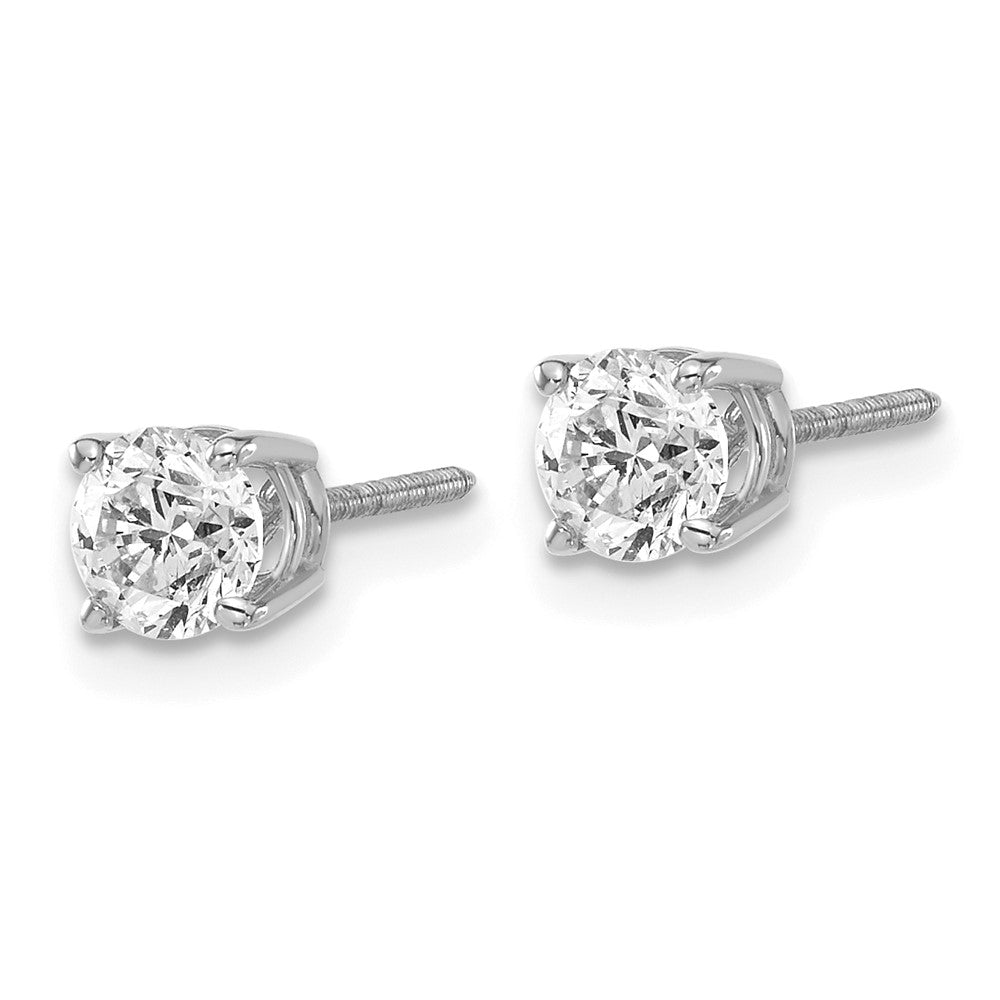
Gold earrings are a classic and very popular choice. Gold is valued not only for its beauty but also for its relative safety for the skin.
For people with sensitive ears, 14K or 18K gold is best, as these contain a higher percentage of pure gold and fewer alloying metals. The higher the karat, the lower the chance of an allergic reaction.
Advantages of gold:
- does not rust
- well tolerated by skin
- attractive appearance
- suitable for daily wear
- retains shine for a long time
Gold also pairs easily with different clothing styles — from casual to formal.
However, even gold earrings may contain other metals (e.g., copper or nickel) added for strength. That’s why people with very sensitive skin should check the alloy composition or choose pieces from reputable manufacturers.
Platinum
Platinum is one of the safest and most prestigious metals for fine jewelry. It has a very high level of purity and almost never causes allergic reactions.
Platinum is known for its strength and longevity. Unlike some other metals, it does not wear down or lose color over time.
Key advantages:
- high strength and scratch resistance
- no reaction with skin
- exceptional durability
- noble appearance
Platinum earrings are often chosen by people with extremely sensitive skin or those who cannot tolerate most other metals.
The only downside is its high cost, but such pieces can last for decades and even become family heirlooms.
Niobium
Niobium is a less known metal in mainstream jewelry but is gaining increasing popularity, especially in the piercing community.
It is highly suitable for sensitive ears as it almost never triggers allergic reactions. It also does not oxidize or react chemically with skin.
Advantages of niobium:
- hypoallergenic
- lightweight
- oxidation resistance
- available in various colored coatings
- strong
Interestingly, niobium can take on different shades — from blue to purple or green — thanks to special surface treatment technology, allowing for unique and stylish designs.
Silver
Silver can also be a good option for sensitive ears, especially high-purity grades such as 925 or 999.
Silver earrings look elegant and are suitable for everyday wear. This metal also has natural antibacterial properties.
Main advantages:
- affordable price
- stylish appearance
- lightweight
- versatile with other jewelry
However, some silver alloys may contain impurities, so people with very sensitive skin should choose high-quality, verified pieces. Silver can also tarnish over time and requires periodic cleaning.
Materials to Avoid

People with sensitive ears should avoid certain materials:
- Nickel — the primary allergen in jewelry; often causes contact dermatitis
- Cheap fashion jewelry — frequently contains various metal impurities that cause irritation
- Thin-plated metals — some pieces have gold or silver plating over a base metal; once the plating wears off, the skin contacts the underlying alloy, which can trigger a reaction
Why It’s Important to Buy from Reputable Manufacturers
The quality of jewelry depends heavily on the manufacturer. Trusted jewelry brands usually use verified materials and follow strict production standards.
Purchasing earrings from reputable jewelry stores gives you several advantages:
- guaranteed metal quality
- accurate information about alloy composition
- long-lasting pieces
- safety for the skin
Cheap jewelry from unknown sources often contains nickel or other allergenic metals.
Additional Tips
Besides the main criteria, pay attention to a few important details that often determine how comfortable and safe the jewelry will be for daily wear:
- the surface of the earrings should be smooth and well-polished — this reduces the risk of skin irritation
- avoid pieces with sharp or uneven elements that can injure the earlobe
- choose designs that won’t catch on hair, scarves, or clothing
- the clasp should open easily yet securely hold the earring
- consider the weight — overly heavy earrings can cause discomfort during long wear
Properly chosen daily earrings should feel almost unnoticeable — you shouldn’t feel them in your ears throughout the day.
Earring Care
Proper care helps preserve the beautiful appearance of jewelry and prevents irritation and infections.
Basic care rules:
- regularly clean earrings from dust, cosmetics, and skin oils
- remove them before sports, swimming, or active recreation
- do not wear them while sleeping to avoid mechanical pressure on the earlobe
- periodically wipe them with antiseptic or special jewelry cleaning products
- store in a dry place, preferably in a separate box or pouch
Regular care will keep your jewelry clean and extend its lifespan.
Piercing Aftercare
Even after the piercing has fully healed, maintaining hygiene is important to prevent irritation or inflammation.
Recommendations:
- wash your hands before touching earrings or the piercing
- periodically clean the piercing with antiseptic solutions
- gently rotate the earring during cleaning to prevent buildup of debris
- do not wear jewelry during inflammation or irritation
- if discomfort appears, temporarily remove the earrings and let the skin rest
Following these simple rules helps maintain skin health and prevent potential problems.
When to See a Doctor
In some cases, irritation can develop into a more serious issue. If symptoms persist or worsen, consult a specialist.
See a doctor if:
- pain does not go away after several days
- severe swelling or redness appears
- discharge comes from the piercing
- the skin around the piercing feels hot
- intense itching or burning occurs
These may be signs of infection or a severe allergic reaction that requires treatment.
Helpful Tips for People with Sensitive Ears

People with sensitive skin should be especially careful when choosing jewelry. To avoid problems, follow these simple recommendations:
- choose hypoallergenic metals (titanium, surgical steel, high-karat gold, or platinum)
- avoid cheap fashion jewelry that often contains nickel
- do not wear earrings continuously for very long periods
- regularly clean earrings and clasps
- monitor the condition of the piercing and react to any discomfort
The right choice of earrings combined with regular care will help you avoid irritation and make wearing jewelry comfortable and safe.
Conclusion
Sensitive ears are a common issue, but it doesn’t mean you have to give up wearing jewelry. Properly selected earrings can be comfortable even for very sensitive skin.
The best options are pieces made of titanium, high-karat gold, platinum, or niobium. Also pay attention to the weight of the earrings, the quality of the clasp, and proper piercing care.
High-quality jewelry made from safe materials lets you enjoy the beauty of earrings while taking good care of your skin health.

 Contact Us