

How to Prevent Ear Infections from Wearing Earrings

Earrings are more than just an accessory — they are an everyday part of personal style that many people become so used to they hardly notice them. However, even ordinary earrings can sometimes cause unpleasant problems, ranging from mild discomfort to actual ear infections.
These issues may appear immediately after a piercing or even years later while wearing jewelry. Pain, redness, swelling, or discharge are all signs that the body is reacting to irritation or infection. In more serious cases, a person may even stop wearing earrings completely.
The good news is that most of these situations can be prevented. It is enough to understand the main causes of infections and follow simple hygiene and care practices.
What Is an Ear Infection Caused by Earrings?
An infection is an inflammatory process that occurs when bacteria or other microorganisms enter the tissue. In the case of earrings, the pierced area is usually affected.
It is important to understand that the risk of infection exists not only during the first days after a piercing. Even old piercings can become inflamed if:
- hygiene is neglected;
- the skin is injured;
- low-quality earrings are used.
That is why ear care should remain regular regardless of when the piercing was done.
Main Causes of Infections

Improper Aftercare Following a Piercing
The healing period is the most vulnerable stage. During this time, the tissue has not yet formed a full protective barrier, so any mistakes in aftercare can lead to infection.
The most common mistakes include:
- irregular or insufficient cleaning;
- using overly aggressive products;
- removing earrings too early;
- frequently touching or twisting the earrings without cleaning them first.
Such actions can slow down healing and create favorable conditions for bacterial growth. As a result, even minor negligence may develop into serious inflammation.
Using Low-Quality Materials
The material of the earrings directly affects skin health. Cheap or uncertified jewelry often contains impurities that can irritate the skin. This may lead to:
- microdamage to the skin;
- weakened natural protection;
- increased sensitivity.
In this condition, even minimal exposure to bacteria can cause infection. Some metal alloys may also react with sweat or cosmetics, causing additional irritation.
Earrings That Are Too Tight or Poorly Fitted
Earrings should feel comfortable and should not create pressure. If jewelry is too tight, presses strongly against the earlobe, or blocks airflow, it creates ideal conditions for bacterial growth.
Poor ventilation promotes moisture buildup, which accelerates the growth of microorganisms. Constant pressure may also irritate the skin and cause micro-injuries.
Mechanical Damage
Earrings can injure the skin even during everyday activities:
- while sleeping;
- during active movement;
- by catching on clothing or hair.
Even tiny scratches or microcracks allow bacteria to enter the tissue. If such damage occurs repeatedly, the risk of infection increases significantly.
Symptoms of an Infection
An infection can usually be recognized by several characteristic signs that may appear gradually or very quickly.
The main symptoms include:
- redness;
- swelling;
- pain;
- throbbing;
- discharge;
- increased sensitivity.
In more severe cases, the following may occur:
- pus discharge;
- fever;
- severe inflammation;
- tissue hardening.
Even mild symptoms should not be ignored, because infections are much easier to treat in the early stages. Prompt action helps prevent complications and speeds up recovery.
How to Prevent Infections

Preventing infections while wearing earrings involves several simple but important habits based on daily hygiene, proper jewelry selection, and paying attention to your body. In most cases, daily habits determine whether healing will be smooth and complication-free.
Maintaining Proper Hygiene
Hygiene is the foundation of healthy skin around a piercing. Even if earrings look clean, microorganisms can still accumulate on their surface and become a source of inflammation.
To reduce the risk of infection, it is important to:
- wash your hands thoroughly before touching earrings or ears;
- clean jewelry regularly with warm water or special cleaning products;
- remove earrings periodically to clean both the jewelry and the surrounding skin.
Special attention should also be paid to the habit of touching the ears. Even a brief unnecessary touch may transfer bacteria to the piercing area and trigger inflammation.
Proper Piercing Aftercare
The healing period is the most sensitive stage. During this time, the skin has not yet developed a full protective barrier, so improper care may lead to infection or delayed healing.
It is recommended to:
- clean the piercing site with antiseptic solutions 1–2 times daily;
- avoid removing earrings until healing is complete;
- avoid touching or twisting earrings with unwashed hands;
- avoid alcohol-based or overly harsh products unless necessary.
It is also important to remember that excessive care may be harmful. Over-cleaning or strong products can dry out the skin and slow healing.
Choosing High-Quality Materials
The material of earrings directly affects skin condition and infection risk. High-quality metals are generally more biocompatible and less likely to cause irritation.
The safest options include:
- titanium — hypoallergenic and suitable even for sensitive skin;
- surgical steel — resistant to corrosion and moisture;
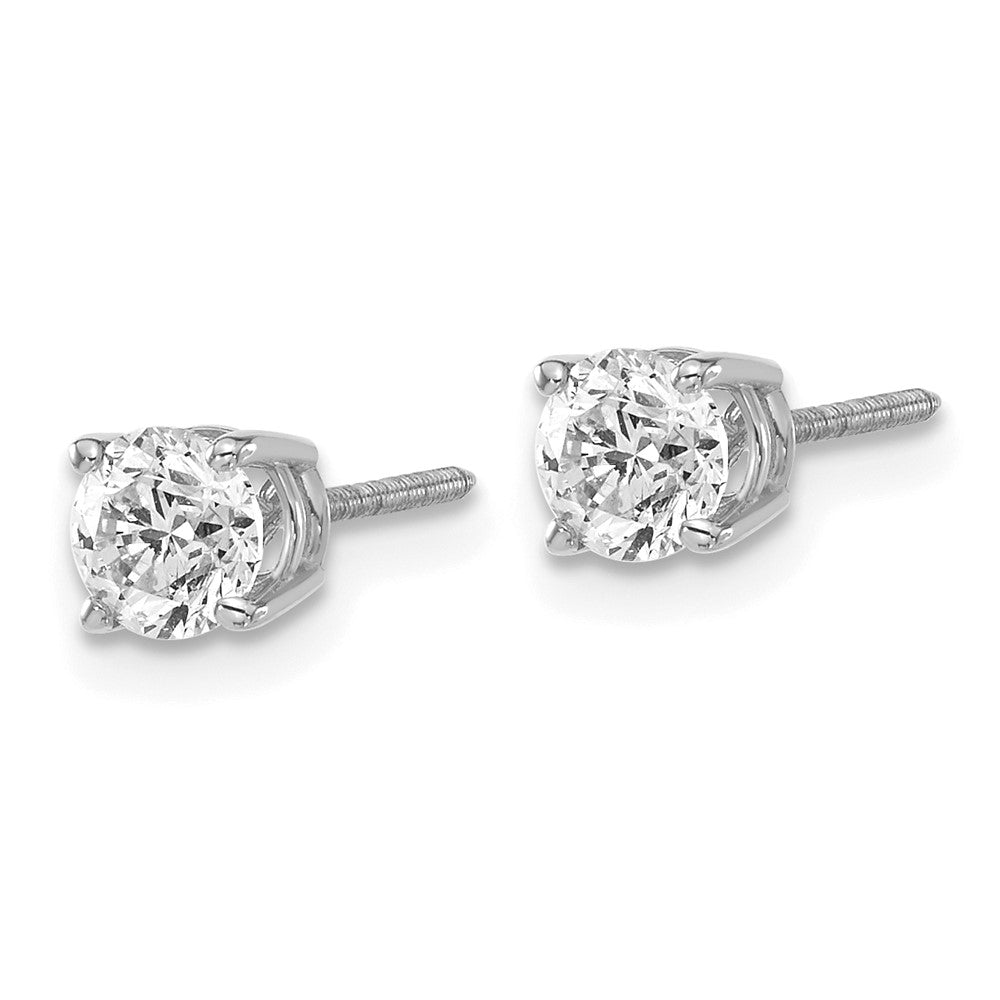
- high-quality gold — provided it contains minimal impurities.
Cheap jewelry made from unknown alloys may cause skin irritation, allergic reactions, and weakened skin protection, creating favorable conditions for infection.
Monitoring Wearing Conditions
Comfort while wearing earrings is another important preventive factor. If jewelry causes discomfort, it may create pressure and micro-injuries. Therefore, it is recommended to:
- choose earrings that do not press or rub the skin;
- avoid heavy earrings for everyday wear;
- remove earrings while sleeping (after complete healing);
- occasionally allow the skin to “rest” without earrings.
This helps maintain proper airflow and reduces irritation.
Limiting Contact with Water
Moisture is one of the factors that encourages bacterial growth, especially during the healing period.
It is recommended to:
- avoid swimming pools, rivers, and lakes during the first weeks after piercing;
- dry the ears thoroughly after washing;
- avoid leaving the skin damp for long periods.
A moist environment creates ideal conditions for microorganisms, so keeping the area dry is an important part of prevention.
Regular Cleaning and Replacement of Earrings
Even high-quality earrings can accumulate dirt over time or become worn out, increasing the risk of irritation.
It is important to:
- clean jewelry regularly from buildup and dirt;
- inspect earrings for damage or rough edges;
- replace earrings if they begin causing discomfort.
Clean and well-maintained jewelry significantly reduces the risk of infection and helps maintain healthy skin.
Paying Attention to Your Body’s Signals
The body often gives warning signs before a serious infection develops. These signals should not be ignored, especially:
- mild redness;
- itching or burning;
- increased sensitivity;
- discomfort around the piercing.
If symptoms appear, it is best to temporarily stop wearing earrings, clean the area, and allow the skin time to recover. Early action helps prevent complications.
A Comprehensive Approach to Prevention

Preventing infections is not about one single step, but rather a system of daily habits that work together. This includes:
- regular hygiene;
- proper piercing care;
- using quality materials;
- comfortable jewelry wear;
- paying attention to skin condition.
Following these simple rules helps make wearing earrings safe, comfortable, and free from unpleasant complications at any age.
What to Do If an Infection Appears
If the first symptoms appear, it is important to act quickly and carefully. You should:
- remove the earrings (unless the piercing is fresh);
- clean the piercing site;
- apply an antiseptic solution;
- avoid touching the area.
It is important not to scratch the skin, even if itching is severe, because this can worsen the condition and introduce additional bacteria.
If symptoms do not improve or become worse, medical attention is necessary.
When Medical Help Is Necessary
Sometimes home treatment is not enough. You should consult a healthcare professional if:
- the pain becomes more severe;
- pus appears;
- swelling does not decrease;
- fever develops.
These symptoms may indicate a serious infection that requires professional treatment.
Emotional and Psychological Impact
Infections around piercings affect not only physical health but also emotional well-being. Constant pain, itching, or visible skin changes may create ongoing discomfort that gradually affects mood and self-esteem.
In such situations, people may experience:
- anxiety;
- increased irritability;
- emotional tension;
- discomfort in everyday social situations.
This is especially noticeable when redness or inflammation becomes visible to others. Even temporary skin problems may cause embarrassment or self-consciousness.
Conclusion
Ear infections related to wearing earrings are fairly common, but in most cases they can be easily prevented. They usually occur not because of the jewelry itself, but due to poor hygiene and improper care.
To avoid unpleasant consequences, it is enough to follow simple recommendations: maintain cleanliness, care for the piercing properly, choose safe and high-quality materials, and pay attention to any warning signs from the body. Even mild discomfort should not be ignored, as early action helps prevent more serious complications.
Earrings can remain not only a stylish accessory but also a completely safe part of everyday life. Responsible wearing habits combined with proper care help maintain healthy skin and ensure long-term comfort.

 Contact Us