

November Birthstone Jewelry: The Secret Power of Topaz & Citrine That Most People Don’t Know

If you were born in November, lucky you — you get two stunning birthstones to choose from: the fiery, multicolored Topaz and the sunny, golden Citrine. Both are dazzling, both are affordable, and both carry centuries of meaning that go far beyond pretty sparkle. This is the only November birthstone jewelry guide you’ll need — covering meanings, colors, prices, durability, care, styling, and exactly how to pick the perfect piece.
Why November Birthdays Got the Best Deal in the Birthstone Calendar
Most months get one official birthstone. November gets two — and they happen to be among the most affordable, the most versatile, and the most positive-energy gems in the entire jewelry world. Topaz is the traditional birthstone with thousands of years of history, while citrine was added later as a modern alternative. Together they cover nearly every color a wearer could want, from icy blue and clear-as-diamond white to honeyed gold, sunset orange, and pinkish red.
According to the Gemological Institute of America, both stones are widely available in good quality at accessible prices, which means anyone celebrating a November birthday has more options — in size, cut, color, and setting — than almost any other month on the calendar.
Topaz: The Rainbow Gemstone With a Royal Past
Meaning & History
The word “topaz” is thought to come from the Sanskrit word tapas, meaning fire — fitting for a stone whose most prized colors blaze in pinkish-orange and red-orange. The ancient Greeks believed topaz could grant strength and even render the wearer invisible in moments of danger. From the 1300s through the 1600s, Europeans wore it to dispel anger and break magic spells, and in India it has long been believed that topaz worn above the heart brings long life, beauty, and intelligence.
Today, topaz symbolizes love, friendship, sweetness, and clear communication. It’s also the gem of the 4th wedding anniversary (blue topaz) and the 23rd wedding anniversary (Imperial topaz).
The Many Colors of Topaz
Topaz naturally occurs colorless, light blue, yellow, orange, pink, violet, brown, and — very rarely — red. The most coveted variety is Imperial Topaz, a pinkish-orange to red-orange stone once reserved exclusively for the Russian Tsars. Blue topaz, the most commonly sold variety, almost always starts colorless and is given its sky-blue hue through irradiation and heat treatment. Mystic Topaz achieves its rainbow shimmer from a thin coated film.
Where Topaz Comes From
Brazil’s Minas Gerais region has been the most important source of fine topaz for more than two centuries, especially the rare Imperial variety. Pakistan’s Ghundao Hill is famed for cyclamen-pink topaz, while other notable origins include Russia, Nigeria, Namibia, Madagascar, Mexico, Sri Lanka, and the United States.
Durability & Care
Topaz scores an impressive 8 on the Mohs scale of hardness, making it suitable for everyday rings, necklaces, and earrings. However, it has poor toughness, meaning a sharp knock can chip or crack it. Clean topaz only with warm soapy water and a soft brush — never use steam or ultrasonic cleaners, as sudden heat changes can create internal fractures. Mystic Topaz needs extra gentle handling because abrasives will strip off its coating.
✓ Topaz Pros
- Hardness of 8 — excellent for daily wear
- Available in nearly every color of the rainbow
- Affordable, even in larger carat sizes
- Bright sparkle that rivals diamonds (especially clear topaz)
- Rich symbolism: strength, friendship, joy
✗ Topaz Cons
- Brittle — can chip if struck hard
- Most blue topaz is treated, not natural
- Sensitive to heat and temperature swings
- Imperial topaz is rare and significantly pricier
- Mystic Topaz coating can wear off with abrasion
Citrine: The Merchant’s Stone of Sunshine and Success
Meaning & History
Citrine takes its name from the French citron, meaning lemon. It was used in jewelry by the Greeks and Romans, who believed it warded off evil thoughts and snake venom, and it surged in popularity during the Art Deco era of the 1920s and 1930s. Citrine is nicknamed the “Merchant’s Stone” for its reputed power to attract wealth, prosperity, and success — which is one reason it’s a favorite gift for entrepreneurs and creatives. It’s also the official gem of the 13th wedding anniversary.
Believed to carry the energy of the sun, citrine is said to dispel negativity, encourage clarity, and inspire confidence and creativity.
Color & Composition
Citrine is the transparent yellow to brownish-orange variety of quartz. The most sought-after shades are deep, honeyed hues reminiscent of a sunset. Most commercial citrine on the market is actually heat-treated amethyst, which is why it’s so widely available and affordable in larger sizes. Naturally formed, unheated citrine — especially from Bolivia’s legendary Anahí mine — is rarer and prized by collectors.
A Bonus Fact: Ametrine
The Anahí mine in Bolivia produces a unique bi-colored crystal containing both purple amethyst and yellow citrine. When cut together, it’s called ametrine — a one-of-a-kind two-tone gem that November babies can also claim as their own.
Durability & Care
Citrine scores a 7 on the Mohs scale with good toughness, making it perfectly suited for everyday jewelry. Clean it with warm soapy water and a soft brush. Ultrasonic cleaners are generally safe, but avoid steam cleaning — high heat can crack the stone. Store it separately from harder gems like diamonds and sapphires to prevent scratches.
✓ Citrine Pros
- One of the most affordable yellow gemstones
- Available in very large, eye-catching sizes
- Stable in light and resistant to most chemicals
- Warm, flattering color suits all skin tones
- Associated with prosperity, joy, and creativity
✗ Citrine Cons
- Slightly softer (Mohs 7) than topaz
- Most citrine is heat-treated amethyst, not natural
- Can crack under steam cleaning or high heat
- Easily confused with topaz, yellow sapphire, or glass
- Natural unheated citrine commands a steep premium
The Mobile-Friendly November Birthstone Cheat Sheet
| Feature | Topaz | Citrine |
|---|---|---|
| Type | Aluminum silicate mineral | Yellow-orange quartz |
| Colors | Blue, colorless, yellow, pink, orange, red | Pale yellow to deep golden-orange |
| Mohs Hardness | 8 (very good) | 7 (good) |
| Toughness | Poor — can chip | Good |
| Symbolism | Strength, friendship, clarity | Prosperity, joy, creativity |
| Anniversary | 4th (blue), 23rd (Imperial) | 13th |
| Top Origins | Brazil, Pakistan, Russia, Nigeria | Bolivia, Brazil, Spain, Madagascar |
| Cleaning | Warm soapy water only | Soapy water; ultrasonic OK |
| Avoid | Steam, sudden heat, hard knocks | Steam, prolonged high heat |
| Best For | Statement rings, sparkly pendants | Layered necklaces, cocktail rings |
| Price Range | $ – $$$ (Imperial highest) | $ – $$ (natural highest) |
How to Style November Birthstone Jewelry Like a Pro
The beauty of having two birthstones is the freedom to play with contrast and warmth. Citrine looks radiant when paired with yellow or rose gold, where its golden tones amplify the metal’s warmth — perfect for layering with delicate chains and stacked pendants. Topaz, especially in its blue and clear varieties, looks crisp and modern set in white gold, platinum, or sterling silver, and pairs beautifully with diamond accents.
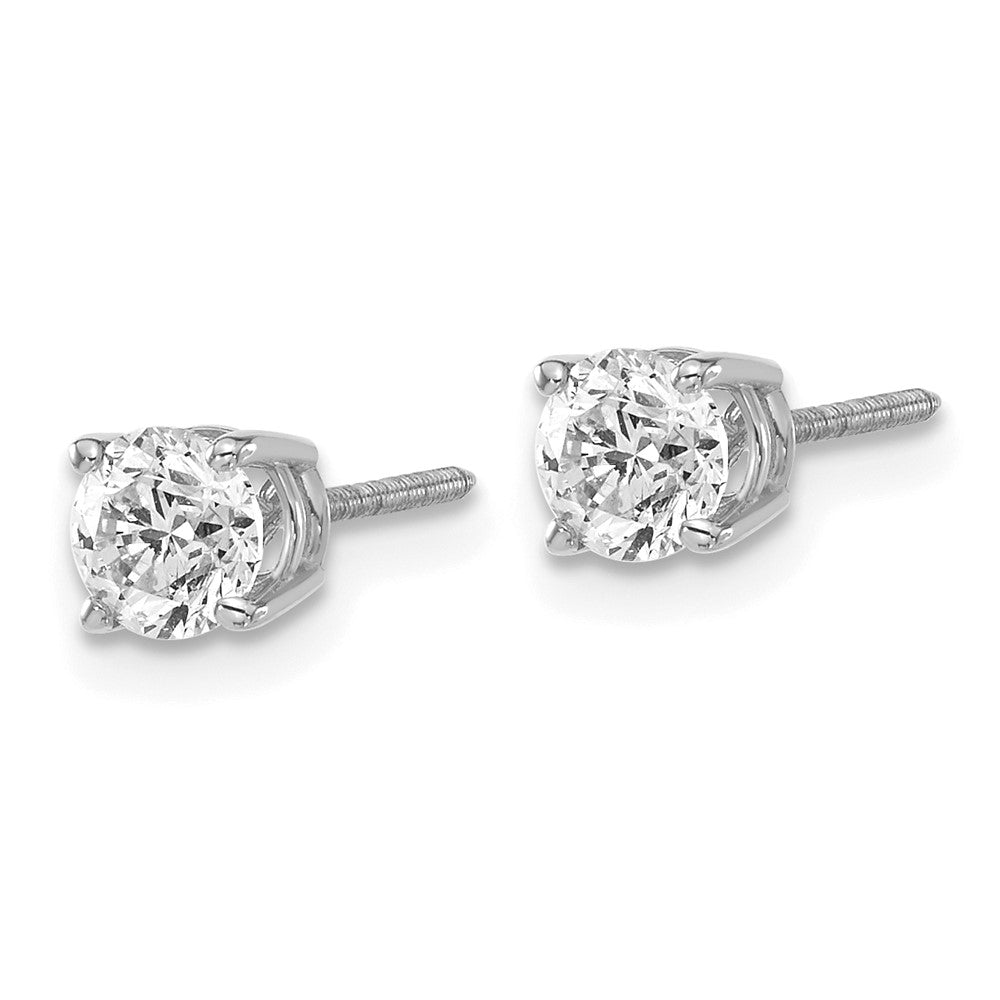
For everyday wear, a citrine solitaire pendant or topaz stud earrings will quietly elevate any outfit. For a statement, a cocktail ring featuring a large oval citrine or a pear-cut blue topaz will steal the spotlight at any event. If you can’t choose between the two, a bracelet alternating both stones is a sentimental and visually striking option.
Topaz vs. Citrine: Which November Birthstone Should You Choose?
Choose topaz if you want maximum durability, a wider color palette, or the prestige of a rare Imperial stone. It’s the better pick for engagement-style rings or any jewelry that will be worn daily.
Choose citrine if you’re drawn to warm, golden tones, want a large statement stone at a friendly price, or love the symbolism of abundance and joy. It’s ideal for pendants, drop earrings, and oversized cocktail rings where its sunny color truly shines.
Still torn? Get both — many fine jewelers now offer pieces that combine topaz and citrine, or even ametrine, giving you the best of both worlds in a single setting.
Smart Buying Tips for November Birthstone Jewelry
When shopping, prioritize clarity and brilliance over carat size — both stones are valued for transparency and a lively sparkle. Ask whether the topaz has been irradiated (most blue topaz has) and whether the citrine is natural or heat-treated amethyst. Neither treatment reduces beauty, but transparency in disclosure is the mark of a reputable jeweler. For long-lasting wear, look for protective settings like bezels or halos that shield the gem from impact, and choose 14k or 18k gold for a hypoallergenic, durable foundation.
Frequently Asked Questions
Final Sparkle
November birthdays come with a built-in advantage: two glorious gemstones, endless color options, accessible price points, and centuries of meaning woven into every facet. Whether you fall for the steady strength of topaz or the radiant optimism of citrine, you’re choosing a piece of jewelry that does more than catch the light — it carries a story. And that’s the kind of sparkle that never goes out of style.

 Contact Us