

October Birthstone Jewelry Decoded: The Rainbow Secret Behind Opal & Tourmaline Everyone's Obsessed With

Why October Is the Most Spoiled Month in the Birthstone World
Most months get assigned a single birthstone and call it a day. October said "not so fast" and claimed two of the most colorful gemstones nature has ever produced. Opal is the traditional October birthstone, while tourmaline was added as a modern alternative — giving October babies one of the widest color palettes in the entire calendar.
Both stones share something magical: they refuse to be boring. Opals shimmer with rainbow "play-of-color" that makes each stone genuinely one-of-a-kind, while tourmalines show up in nearly every shade imaginable, sometimes even displaying two or three colors inside a single gem. It's no wonder October-born individuals are often described as creative, imaginative, and a little bit unpredictable — their birthstones literally embody those qualities.
The Opal: Mother Nature's Rainbow Miracle
What Makes an Opal So Mesmerizing
Opals are unlike any other gemstone on Earth. Made up of microscopic spheres of silica arranged in a grid-like pattern, they diffract light as it passes through them, producing those iconic flashes of color called "play-of-color" or opalescence. The order and size of those spheres determine which colors your eyes see, which is why no two opals are ever truly identical.
In rare cases, light diffracts in such striking patterns that you'll see bold stripes, feather shapes, or sweeping brushstroke-like flashes across the surface — and those patterns can dramatically boost an opal's value.
The Drama-Filled History of Opal
Opals have lived a wild double life. The Ancient Greeks treasured them as fortune-telling gemstones. The Romans saw them as symbols of hope and good luck. The Roman scholar Pliny famously compared them to an artist's paint palette back in 75 AD.
Then came the 18th and 19th centuries, when opals were suddenly branded as unlucky. The superstition ran so deep that Queen Alexandra (Queen Victoria's granddaughter) ripped 11 opals out of a tiara she inherited and swapped them for rubies. Today, we know the "bad luck" reputation came from opals' delicate nature — they can crack if mishandled, which probably freaked out aristocrats who didn't know how to care for them.
Types of Precious Opal You Should Know
- White Opal — Light body color with pastel rainbow flashes; the most common and approachable.
- Black Opal — Dark body color that makes color-play pop dramatically; the rarest and most valuable.
- Fire Opal — Warm orange-to-red body color with a glowing, almost lava-like appearance.
- Boulder Opal — Natural opal still attached to its host rock for a rugged, organic look.
- Crystal (Water) Opal — Transparent body color with striking internal color flashes.
How to Spot a Truly Great Opal
According to expert jewelers, the "perfect opal" depends on body color, dominant rainbow color, pattern, brilliance, and opacity. Generally, flashes of red command the highest value, followed by orange, yellow, green, blue, indigo, and violet. That said, a vibrant violet opal can sometimes outshine a dull red one — so always prioritize brightness over technical hierarchy. A great opal should look alive.
✅ Opal Pros
- Every stone is genuinely unique
- Stunning rainbow play-of-color
- Pairs with virtually any outfit
- Symbolizes creativity, hope & imagination
- Beautiful in pendants, earrings & halo settings
❌ Opal Cons
- Soft — 5.5–6.5 on the Mohs scale
- Contains up to 30% water; can dry & crack
- Hates perfumes, detergents & ultrasonic cleaners
- Not ideal for everyday rings without protective settings
- Requires more care than most gemstones
The Tourmaline: The Rainbow Gem That Steals the Show
The Gem That Fooled Conquistadors
Here's a wild fact: tourmaline wasn't even recognized as its own mineral until the 19th century. Before that, colorful tourmalines were constantly mistaken for emeralds, rubies, and sapphires. In the 1500s, Spanish conquistadors in Brazil were convinced they'd found emeralds — they were actually green tourmalines.
The name "tourmaline" comes from the Sinhalese word toramalli, meaning "mixed gems" — a fitting tribute to a stone that comes in every imaginable color.
A Color for Every Personality
Tourmaline's color range is genuinely jaw-dropping. From pale pastel pinks to deep fuchsia, electric blues, vivid greens, glowing yellows, and even multi-colored "watermelon tourmalines" that show pink and green inside a single stone — there's a tourmaline for every taste and outfit.
The pink tourmaline is most often associated with October birthdays, and it looks gorgeous in any metal. Pair it with rose gold for a romantic blush, white gold or sterling silver for crisp contrast, or yellow gold for a warm, timeless feel.
Meaning and Symbolism
Tourmaline is said to promote balance, protection, and self-confidence while calming the mind and reducing fear. Different colors carry different meanings — pink tourmaline represents love and compassion, while green tourmaline is linked to courage and strength. Bonus: tourmaline also marks the 8th wedding anniversary, making it an extra-meaningful gift option.
✅ Tourmaline Pros
- Harder & more durable (7–7.5 Mohs)
- Suitable for everyday wear
- Incredible color variety — including bi-color stones
- More affordable than emeralds or sapphires
- Great for bold, larger cuts & statement designs
❌ Tourmaline Cons
- Still vulnerable to hard knocks
- Can fracture under sudden temperature shifts
- Lacks opal's signature rainbow play-of-color
- Some colors (like Paraíba) get pricey fast
- Color treatments can vary by retailer
Mobile-Friendly Comparison: Opal vs. Tourmaline at a Glance
| Feature | Opal | Tourmaline |
|---|---|---|
| Status | Traditional October birthstone | Modern alternative birthstone |
| Mohs Hardness | 5.5 – 6.5 (soft) | 7 – 7.5 (durable) |
| Color | Rainbow play-of-color (white, black, fire) | Every color of the rainbow + bi-color |
| Origin | Australia, USA, Mexico, Brazil | Mozambique, Brazil |
| Symbolism | Creativity, imagination, hope | Balance, protection, confidence |
| Best Jewelry | Pendants, earrings, protected rings | Everyday rings, statement pieces |
| Care Level | High — handle with care | Moderate — gentle cleaning only |
| Bonus Meaning | 14th wedding anniversary | 8th wedding anniversary |
Which October Birthstone Jewelry Should You Actually Buy?
Choose Opal If…
- You want a truly one-of-a-kind stone with rainbow flashes nobody else has.
- You prefer pendants, earrings, or rings with protective bezel/halo settings.
- You love the romance, mystery, and history of an "alive" gemstone.
- You're shopping for a gift that feels artistic and ethereal.
Choose Tourmaline If…
- You want something you can wear every day without stressing over scratches.
- You want a specific color to match your personality or wardrobe.
- You're celebrating an 8th anniversary or want a budget-friendly statement piece.
- You love bold designs in larger sizes — tourmaline gives you more stone for your money.
Best Jewelry Styles for October Birthstones
For opal lovers, the safest and most stunning choices are opal pendants and opal stud earrings, since they're less exposed to knocks. If you have your heart set on an opal ring, opt for a bezel setting, rub-over setting, or a diamond halo — these protective designs are how master goldsmiths have safeguarded delicate stones for centuries.
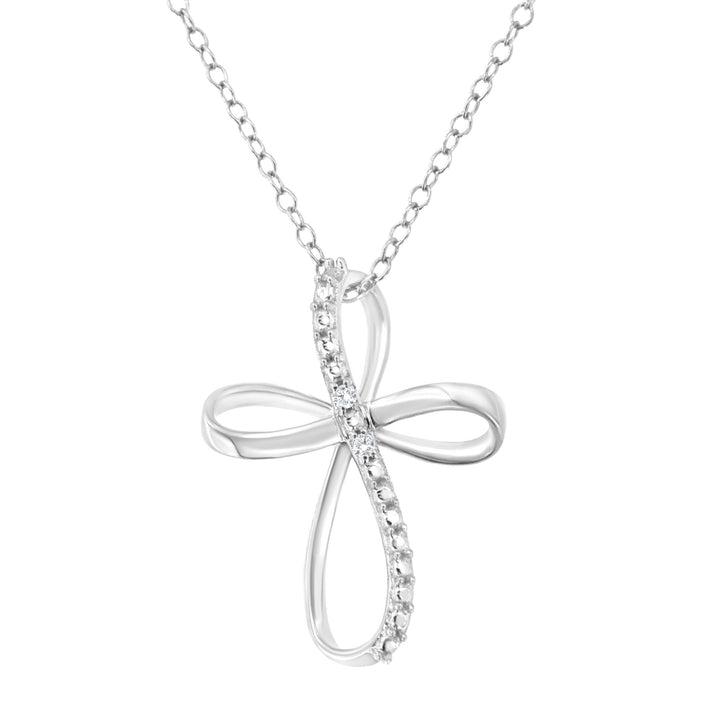
Tourmaline plays beautifully with almost any design. Solitaire rings, infinity bands, heart pendants, halo settings, and engravable bar bracelets are all popular. Personalization is huge in this category — engraved birthstone necklaces and stackable rings make excellent gifts for October-born partners, mothers, and friends.
How to Care for October Birthstone Jewelry
The Bottom Line: Why October Birthstones Win
October birthstone jewelry isn't just about marking a birthday — it's about wearing something that genuinely reflects individuality. Opal flashes a different rainbow every time you tilt your wrist, and tourmaline lets you pick literally any color in the spectrum. Whether you go traditional with a luminous opal pendant or modern with a vibrant pink tourmaline ring, you're choosing one of the most expressive, personal, and visually rich gemstones in the entire calendar.
Honestly? You don't have to choose. Many October babies layer both stones together — opal earrings with a tourmaline pendant, or stackable rings featuring both gems — for jewelry that's as multi-dimensional as the people wearing it.
So go ahead. Embrace the rainbow. October's gemstones were practically designed for people who refuse to be ordinary.

 Contact Us