

Stud Earring Backs Decoded: The 14 Types Every Earring Lover Should Know (Before You Lose Another Diamond)

Ever reached up to touch your earring and felt nothing but earlobe? You're not alone. The unsung hero of every great pair of studs isn't the stone, the setting, or the metal — it's the tiny piece on the back. Choose the right earring back and your favorite studs feel weightless, stay put through workouts, and survive every pillow flip. Choose the wrong one, and you'll be crawling under the couch with a flashlight. This guide breaks down all 14 stud earring back types, with honest pros and cons so you never lose another earring.
Why the Right Earring Back Matters More Than You Think
Stud earring backs do three jobs at once: they keep your earring secure, they hold the piece flush and forward-facing on your lobe, and they keep you comfortable for hours of wear. The wrong back can let a precious diamond slip away, cause a heavy earring to droop, or leave a sensitive piercing irritated. The right back essentially disappears — you stop thinking about your earrings and just enjoy wearing them.
Different styles solve different problems. Some prioritize maximum security for valuable pieces, others focus on sleep-friendly comfort, and a few are designed to support the weight of statement studs. Below, we'll walk through every type you'll encounter, what each one does best, and where each one falls short.
The 14 Types of Stud Earring Backs
1. Push Backs (Butterfly Backs / Friction Backs)
The most familiar earring back in the world. A small butterfly-shaped piece slides onto the post and grips via friction. It's the default that ships with most studs because it's affordable, lightweight, and easy for anyone to use.
- Easy and quick to put on
- Lightweight and low profile
- Inexpensive and widely available
- Works with virtually any stud
- Loosens over time with regular wear
- Not ideal for heavy earrings
- Easy to lose if grip wears out
2. Screw Backs
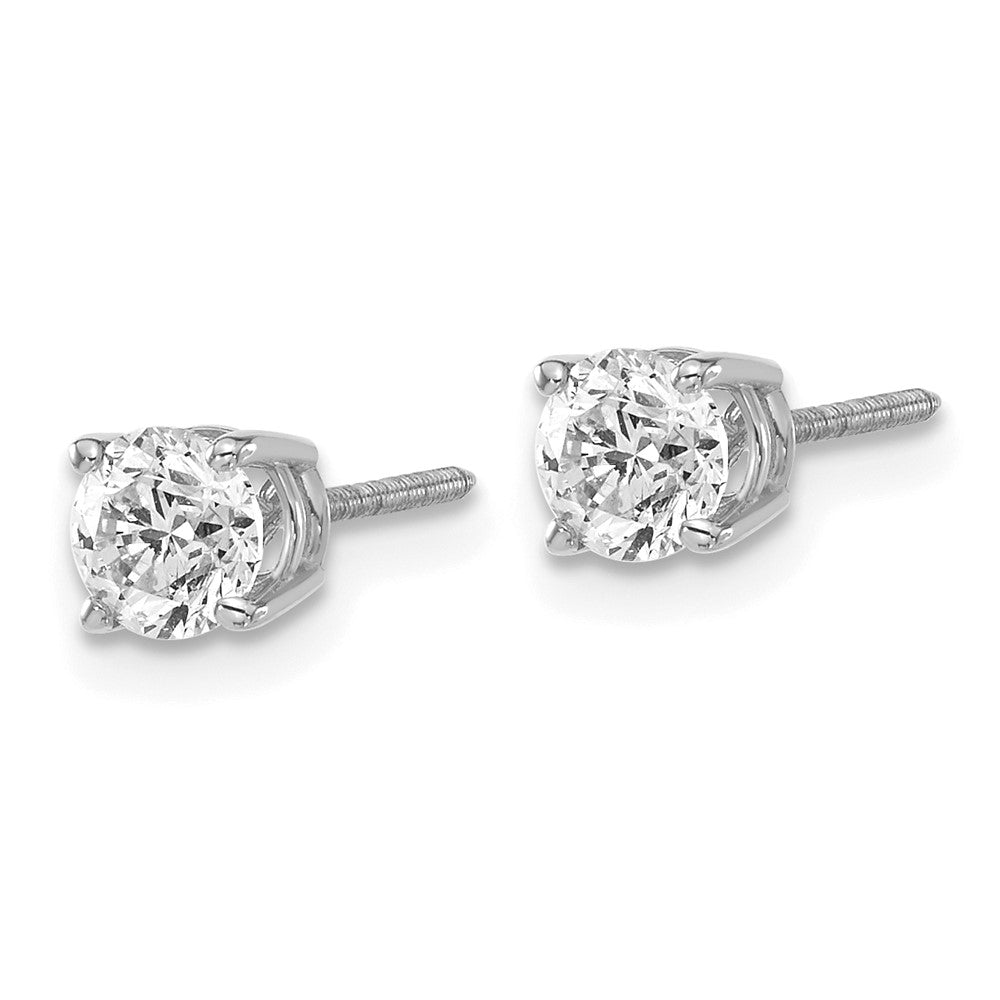
If push backs are everyday sneakers, screw backs are the deadbolt. The post is threaded and the back literally screws on, making accidental slip-offs nearly impossible. They are widely considered the most secure stud back available — a top pick for diamonds and heirloom pieces.
- Extremely secure — almost impossible to lose
- Perfect for diamonds and valuable studs
- Snug, stable fit
- Slower to put on and remove
- Can't be added to any stud — the post must be threaded
- Threads need occasional care
3. La Pousette Backs (Locking Backs)
A luxury favorite. La Pousette backs use a spring-loaded mechanism that clicks into tiny notches on the post. You squeeze the sides to release them. They feel sophisticated, secure, and surprisingly easy to use once you get the hang of it.
- Excellent security with audible click confirmation
- Faster to remove than screw backs
- Great for high-value studs
- More expensive than basic backs
- Less common — can be harder to source
- Tiny mechanism can wear with heavy use
4. Flat Backs (Labret Backs)
Flat backs feature a smooth disc that sits flush against the back of the ear. Originally popular for cartilage and labret-style piercings, they've become a favorite for anyone who sleeps in their earrings — no poking, no snagging on pillows or hair.
- Incredibly comfortable for sleeping and long wear
- Won't snag hair or fabric
- Ideal for sensitive or healing piercings
- Can be tricky to insert and remove
- Less common — limited compatibility
- Not ideal for very heavy studs
5. Lox Backs
Lox backs have an internal locking system that grips tightly to the post. They look similar to a butterfly back at first glance but offer dramatically better grip — a great upgrade for anyone tired of losing studs.
- Very secure with simple operation
- Easy to retrofit onto existing studs
- Reliable everyday upgrade from push backs
- Slightly bulkier than butterfly backs
- Less suited to delicate or tiny studs
6. Bullet Backs
Cylinder-shaped backs with a small notch that locks onto the post. They look like a tiny bullet, hence the name. They sit comfortably against the ear and hold a bit better than basic friction backs.
- Comfortable and snug fit
- More secure than standard push backs
- Great for everyday small studs
- Less support for heavier earrings
- Small parts can be tricky to handle
7. Bell Backs
A closed, dome-shaped back used often by professional piercers. The bell shape covers the tip of the post so it can't poke or irritate the piercing. Excellent for new piercings still in the healing phase.
- Protects fresh piercings from being worn too tight
- Promotes airflow and healing
- No exposed post tip
- Bulkier silhouette behind the ear
- Primarily intended for piercing/healing use
8. Monster Backs (Jumbo Backs)
Oversized backs designed to support heavy or statement studs. The larger surface area distributes weight across the lobe and stops earrings from drooping forward — a lifesaver for anyone whose favorite studs always tilt downward.
- Holds heavy or large studs upright
- Reduces earlobe strain
- Adds peace of mind for valuable pieces
- Visible behind smaller earrings
- Less discreet than standard backs
- Won't fit very thin posts
9. Plastic Disc Pads (Ear Lifters)
Lightweight plastic or silicone discs that thread onto the post before the metal back. They support heavier studs by adding a stable surface against the lobe. A favorite trick for keeping bigger earrings upright.
- Affordable boost for heavy earrings
- Lightweight and barely noticeable
- Distributes weight evenly
- Plastic can degrade over time
- Not as durable as metal options
10. Rubber (Silicone) Backs
Soft, clear, hypoallergenic backs made from silicone or rubber. They slide onto the post and grip via flexible tension. Perfect for sensitive ears, travel kits, or as emergency spares.
- Hypoallergenic — great for metal sensitivities
- Inexpensive — buy spares in bulk
- Soft and comfortable
- Stretches and loses grip over time
- Not ideal for valuable studs
- Wears out faster than metal
11. Magnetic Backs
A clever option for non-pierced ears or sensitive lobes. A magnet on either side of the lobe holds the stud in place — no piercing required.
- No piercing needed
- Quick on, quick off
- Comfortable for short wear
- Less secure — can pop off if bumped
- Not ideal for active days
- Magnets weaken over time
12. Clip-On Backs
A pierce-free classic. Clip-ons use a hinge or screw mechanism to grip the lobe. Modern versions often include padding for comfort and adjustable tension for a custom fit.
- Perfect for non-pierced ears
- Many adjustable styles available
- Great way to try new looks without commitment
- Can pinch with long wear
- May leave a temporary mark
- Limited support for heavy studs
13. French Clips (Omega Backs)
A hinged clip that snaps shut behind the lobe, often paired with diamond studs or button-style earrings. The back is attached to the earring itself, so it can't go missing.
- Very secure — perfect for valuable studs
- Built-in back can't be lost
- Elegant, finished look
- Bulkier behind the ear
- Slightly trickier to adjust tension
- More expensive than basic backs
14. Threaded Backs (Saddle / Lever-Style Studs)
A hinged or threaded variation used on larger studs and convertible pieces. The post locks into a saddle-style catch behind the ear for a click-shut fit.
- Secure click-in mechanism
- Works well for medium-to-heavy studs
- Versatile across stud styles
- Long posts can poke if poorly sized
- Mechanism can wear over years
Mobile-Friendly Comparison Table
| Earring Back | Security | Comfort | Best For | Price |
|---|---|---|---|---|
| Push / Butterfly | Low–Medium | High | Everyday studs | $ |
| Screw Back | Very High | Medium | Diamonds, heirlooms | $$ |
| La Pousette | Very High | High | Luxury studs | $$$ |
| Flat Back | Medium | Very High | Sleeping, cartilage | $$ |
| Lox Back | High | High | Upgrading studs | $$ |
| Bullet Back | Medium | High | Small daily studs | $ |
| Bell Back | Medium | Very High | Healing piercings | $ |
| Monster / Jumbo | High | Medium | Heavy / statement studs | $ |
| Plastic Disc Pad | Medium | High | Lifting heavy studs | $ |
| Rubber / Silicone | Low | Very High | Sensitive ears, spares | $ |
| Magnetic | Low | High | Non-pierced ears | $ |
| Clip-On | Medium | Medium | Non-pierced ears | $$ |
| French Clip / Omega | Very High | Medium | Diamond studs | $$$ |
| Threaded / Saddle | High | High | Medium–heavy studs | $$ |
Quick-Pick: Which Back Should You Choose?
- Most secure for diamond studs: Screw Backs or La Pousette
- Best for sleeping in: Flat Backs
- Most comfortable for sensitive ears: Rubber / Silicone
- Best for heavy statement studs: Monster Backs or Plastic Disc Pads
- Best for healing piercings: Bell Backs or Flat Backs
- Best for no piercing: Clip-On or Magnetic
- Best everyday upgrade from push backs: Lox or Bullet Backs
How to Make Your Earring Backs Last Longer
A little care goes a long way. Wipe your backs with a soft cloth after wear to remove skin oils, and clean them periodically with warm water and a tiny drop of mild soap. Dry them thoroughly before storing. Keep pairs together in a small compartment box so you never have to hunt for a match. Replace stretched rubber backs and inspect screw threads occasionally to keep the mechanism tight.
Common Mistakes to Avoid
Don't push butterfly backs all the way against the lobe — this restricts airflow and can irritate healing piercings. Leave a small gap so the back clicks gently into the notch on the post. Avoid wearing very heavy studs with only friction backs; pair them with a monster back or disc pad. And never assume the back that came with your earrings is the best one for you — many luxury studs actually benefit from a security upgrade.
Frequently Asked Questions
What is the most secure earring back for studs?
Screw backs are widely considered the most secure, followed closely by La Pousette and French Clip backs. They lock onto the post so studs can't slip off accidentally.
Can I replace push backs with more secure backs?
Often, yes. Lox backs, bullet backs, and silicone backs can be added to most standard posts. Screw backs, however, require a threaded post and cannot be retrofitted.
Are rubber backs safe for sensitive ears?
Yes. Silicone and rubber backs are hypoallergenic and ideal for people with metal sensitivities. They're soft, comfortable, and inexpensive to replace.
Can I sleep in my stud earrings?
Flat backs are designed for exactly that. They sit flush against the lobe so they don't catch on pillows or hair.
Why do my heavy studs tilt forward?
Standard backs don't offer enough surface area to support weight. Switch to a monster back or add a plastic disc pad to keep heavier studs upright.
The Bottom Line
Your earring backs are tiny, but they make a massive difference. The right pairing keeps your studs secure, comfortable, and looking great from morning meetings to midnight pillow flips. If you wear diamonds or sentimental pieces, invest in screw backs or La Pousette for peace of mind. If comfort is your priority, go flat or rubber. If you love big statement studs, monster backs are your best friend. Whatever your style, swapping out the back is the single easiest upgrade you can make to the earrings you already love.

 Contact Us