

White Gold vs. Yellow Gold Studs: The Brutally Honest Guide to Which Metal Actually Looks Stunning on Your Skin

You've been staring at two pairs of stud earrings for twenty minutes. They look almost identical on the screen — but one will make your skin glow, and the other will make you look washed out. The difference isn't the diamond. It's the metal. Here's the science (and the styling) behind picking the right one the first time.
Gold studs are the single most-worn piece of fine jewelry on the planet. They sit on your earlobes, framing your face, catching every overhead light, every selfie, every first impression. So when you choose between white gold and yellow gold, you're not just picking a color — you're picking how your complexion reads to the world.
The good news: matching metal to skin tone isn't guesswork. Jewelry experts, gemologists, and color-theory specialists agree on a handful of repeatable rules. The bad news? Most shoppers ignore them and end up with studs that live in a drawer. This guide fixes that, drawing on insights from leading jewelers and updated for 2026 styling.
The 10-Second Answer
- Cool undertones (blue/purple veins) → White gold studs win.
- Warm undertones (green/olive veins) → Yellow gold studs glow.
- Neutral undertones (mixed veins) → Either works — choose by outfit and mood.
- Sensitive skin? Yellow gold or nickel-free white gold.
- Lowest maintenance? Yellow gold (zero replating).
Step 1: Find Your Undertone (Three Tests, 30 Seconds Each)
Before you even look at studs, you need to know your skin's undertone — the subtle hue underneath your surface color that never changes, even with a tan. Here are the three tests dermatologists and stylists agree on:
1. The Vein Test
Flip your wrist over in natural daylight. Look at the veins on the inside.
- Blue or purple veins = Cool undertones
- Green or olive veins = Warm undertones
- A mix of both, or hard to tell = Neutral undertones
2. The White Paper Test
Hold a sheet of plain white paper next to your bare, makeup-free face.
- Skin looks pinkish or rosy → Cool
- Skin looks yellow, peachy or golden → Warm
- Skin looks balanced or you can't decide → Neutral
3. The Sun Reaction Test
- You burn easily, rarely tan → Cool
- You tan easily, rarely burn → Warm
- You do a little of both → Neutral
Step 2: What's Actually In Each Metal
Both metals start as pure 24k gold, which is too soft for everyday studs. Jewelers add alloys to harden the metal — and those alloys are what create the color difference.
White Gold
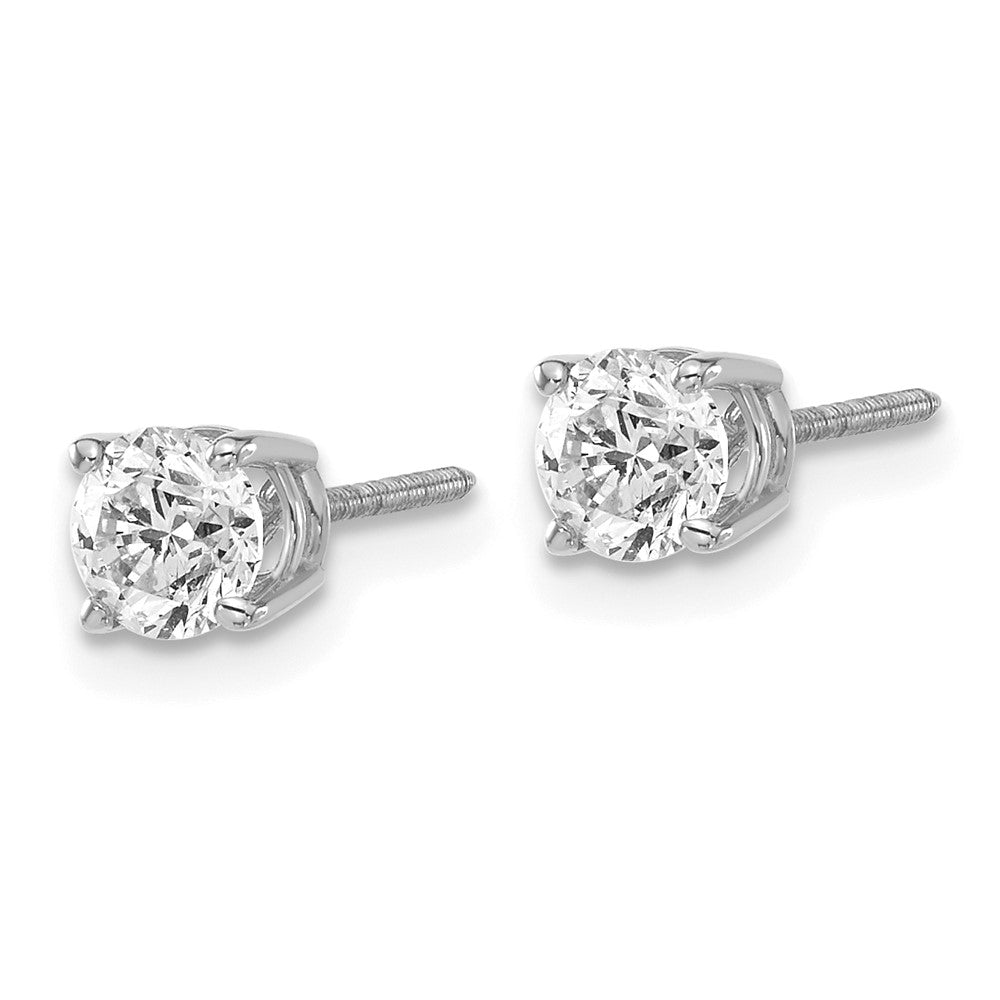
Pure gold mixed with white metals like palladium, silver, or nickel, then finished with a rhodium plating that gives it that bright, mirror-like silver finish. The rhodium does two jobs: it boosts shine and adds scratch resistance. The catch? It wears off over 1–3 years and needs to be re-plated.
Yellow Gold
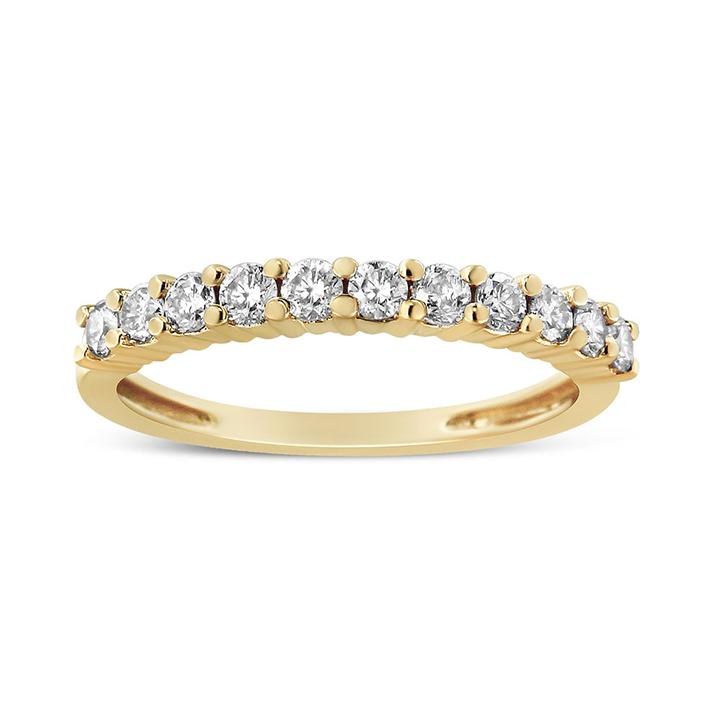
Pure gold alloyed with copper and silver. The color is inherent to the metal itself — there's no plating, no coating, nothing to wear away. An 18k yellow stud will look exactly the same shade of yellow ten years from now as the day you bought it.
White Gold Studs: Pros and Cons
✓ Pros
- Sleek, modern, contemporary look
- Maximizes diamond brilliance — makes white stones pop
- Flatters cool undertones beautifully
- Pairs effortlessly with silver and platinum
- Versatile with cool gemstones (sapphire, aquamarine)
- More affordable than platinum with a similar look
- Rhodium plating adds extra scratch resistance
✗ Cons
- Requires re-rhodium plating every 1–3 years (£40–£100 / $50–$120 per visit)
- Estimated 10-year upkeep cost: $250–$600
- May contain nickel — risky for sensitive ears
- Develops a yellowish tint as plating wears thin
- Less visual "warmth" against neutral outfits
Yellow Gold Studs: Pros and Cons
✓ Pros
- Timeless — popular for 4,000+ years
- Zero plating, virtually no maintenance
- Color never fades or changes
- Naturally hypoallergenic (no nickel needed)
- Stunning against warm gemstones — rubies, citrine, emeralds
- Makes warm and olive skin tones glow
- Easier to resize and repair (more malleable)
- Strong vintage / "old money" appeal in 2026
✗ Cons
- Slightly softer than white gold (more visible scratches at higher karats)
- Can wash out very cool, pink-toned skin
- May clash with cooler wardrobes (icy blues, grays)
- Can emphasize yellowing in lower-grade diamonds (J–M color)
- Needs occasional polishing to restore shine
Step 3: The Skin-Tone Matching Guide
Cool Undertones
Pink, rosy, or porcelain skin with blue/purple veins. Your skin already has natural cool energy — adding more cool tones (white gold) creates harmony rather than competition. Yellow gold can look harsh and emphasize redness.
Best pick: White gold studs
Warm Undertones
Golden, peachy, olive, or honey-toned skin with green veins. Yellow gold acts like an extension of your own natural glow — it makes your complexion look sun-kissed and luminous. White gold may look stark or "cold" against you.
Best pick: Yellow gold studs
Neutral Undertones
The jewelry world's lottery winners. You can wear both, so pick by mood, outfit, or season. Many neutral-toned shoppers buy one pair of each — yellow gold for warmth and casual looks, white gold for crisp, polished outfits.
Best pick: Both (or mixed-metal stacking)
Deep / Rich Skin Tones
Yellow gold creates show-stopping contrast against deeper skin and reads as luxurious. White gold also looks striking — particularly in higher-polish finishes — because the silver brightness pops dramatically. You genuinely can't lose.
Best pick: Both shine — yellow for warmth, white for contrast
Eye Color Matters More Than You Think
Studs sit only a few centimeters from your eyes, so the metal directly influences how your eye color reads. Color-theory experts widely recommend:
- Blue eyes → White gold intensifies the icy blue.
- Green eyes → Yellow gold makes green pop dramatically.
- Brown eyes → Yellow gold enhances the warmth and depth.
- Hazel eyes → Both work — yellow pulls out gold flecks, white emphasizes the green/gray.
Hair Color: The Forgotten Factor
Your hair is the backdrop your studs sit against. Match it wrong and your jewelry disappears.
- Cool blondes / platinum / ash → White gold
- Warm blondes / honey / strawberry → Yellow gold
- Brunette → Yellow gold adds richness; white gold adds polish
- Black hair → White gold for striking contrast
- Red hair → Yellow gold enhances natural vibrance
- Gray / silver hair → White gold for cohesion, yellow gold for warmth contrast
The Mobile-Friendly Comparison Table
| Factor | White Gold Studs | Yellow Gold Studs |
|---|---|---|
| Look | Bright, silvery, modern | Warm, rich, classic |
| Best Skin Tone | Cool undertones | Warm undertones |
| Best Eye Color | Blue, gray | Green, brown, hazel |
| Maintenance | High — replate every 1–3 yrs | Minimal — occasional polish |
| Hypoallergenic | Only if nickel-free | Yes (naturally) |
| Durability | Good (rhodium adds resistance) | Good (slightly softer) |
| Initial Cost | ≈ Same as yellow at same karat | ≈ Same as white at same karat |
| 10-Year Upkeep | $250–$600 | $70–$150 |
| Best With Diamonds | D–I color (max brilliance) | J–M color (hides warmth) |
| Best Gemstones | Sapphire, amethyst, aquamarine | Ruby, citrine, emerald, opal |
| Color Stability | Plating wears, dulls over years | Stays the same forever |
| Vibe | Modern, sleek, professional | Vintage, warm, "old money" |
| Resizing / Repair | More complex | Easier (more malleable) |
What About Karat? (10K vs. 14K vs. 18K Studs)
Once you've chosen the color, choose the purity — it directly affects how the stud wears.
10K (41.7% Gold)
The toughest and most affordable option. Best for active lifestyles, kids' first studs, or anyone who never wants to think about their earrings. Yellow looks paler; white looks crisp.
14K (58.5% Gold) — The Sweet Spot
The industry standard in the US. Rich color, excellent durability for daily wear, and reasonably priced. If you're not sure, choose 14K.
18K (75% Gold) — Luxury Pick
Saturated yellow color and naturally hypoallergenic. Slightly softer (more prone to scratches), and more expensive. Choose 18K if you want maximum richness or have sensitive skin.
The "Skin Sensitivity" Section Most Guides Skip
If your ears go red, itchy, or weepy after wearing certain jewelry, you most likely have a nickel allergy — one of the most common metal sensitivities in the world. Here's what to know specifically for studs (which sit through the most sensitive skin on your body):
- Yellow gold is naturally nickel-free at 14K and above — usually safe.
- White gold often contains nickel, particularly older or budget pieces. Always ask the jeweler for "palladium-based" or "nickel-free" white gold.
- Rhodium plating temporarily shields the wearer from any nickel underneath — but once it wears off, the allergy can flare up suddenly.
- If reactions persist with both, try platinum studs — the most hypoallergenic option of all.
Can You Mix White and Yellow Gold Studs?
Absolutely — and in 2026 it's one of the most stylish moves you can make. Mixed-metal stacking has been embraced by both bridal designers and street-style icons. A small white gold diamond stud paired with a yellow gold huggie hoop on the same ear creates dimension, signals confidence, and frees you from having to commit to just one metal forever.
The key, according to multiple stylists: mix intentionally. Choose pieces that clearly read as different metals, rather than two that almost match but don't quite.
The 6-Point Final Decision Checklist
- Undertone — Cool = white gold. Warm = yellow gold. Neutral = either.
- Eye color — Pick the metal that intensifies your eyes.
- Lifestyle — Want zero maintenance? Yellow gold wins.
- Budget over 10 years — Yellow gold costs less long-term.
- Sensitivity — Sensitive ears? Yellow gold or palladium-based white gold.
- Personal style — Modern minimalist = white. Vintage / classic = yellow.
Frequently Asked Questions
Is white gold or yellow gold better for everyday studs?
Yellow gold wins for hassle-free daily wear because it never needs replating. White gold looks sharper but demands periodic professional maintenance to stay bright.
Will white gold studs turn yellow over time?
Yes — but only the surface plating. The rhodium coating wears thin after 1–3 years, revealing the naturally pale yellow alloy beneath. A quick re-plating restores the original look.
Do yellow gold studs look outdated?
No. Yellow gold is having a major resurgence in 2026, especially in minimalist and vintage-inspired designs. It's the most timeless metal in jewelry history.
Which metal makes diamonds look bigger and brighter?
White gold maximizes brilliance in colorless diamonds (D–I grades). For warmer-toned diamonds (J–M), yellow gold actually hides the tint and makes the stone look whiter by comparison.
Are white gold studs more expensive than yellow gold?
Not initially — they cost roughly the same at the same karat. Over 10 years, white gold becomes more expensive because of replating fees.
Can I wear yellow gold studs with a silver necklace?
Yes — mixed-metal layering is one of the most modern looks in jewelry right now. Just be deliberate about the mix.
What if I have neutral undertones?
You can wear both confidently. Many neutral-toned wearers own a pair of each and rotate based on outfit or occasion.
Final Verdict
There is no objectively "better" metal — only the one that matches you. If your veins run blue and your wardrobe leans modern, white gold studs will look like they were made for your face. If your skin glows golden and you love classic, warm aesthetics, yellow gold will make you look effortlessly elegant. And if you're neutral, congratulations — you get both.
The biggest mistake shoppers make isn't picking the "wrong" color. It's picking based on what's trending instead of what flatters them. Trust your undertone, trust your eyes, and trust that good gold — in either color — is an investment you'll wear for decades.

 Contact Us