

Diamond Stud Earrings Decoded: The Only Styling Guide You'll Ever Need (Sizes, Settings, Backings & Insider Secrets Jewelers Don't Tell You)

They're called the "white T‑shirt of jewelry" — but most people are wearing diamond studs wrong. Here's how to pick the perfect pair, style them like a celebrity stylist, and avoid the rookie mistakes that make great diamonds look cheap.
Diamond stud earrings are the single most versatile piece of fine jewelry you can own. They glide effortlessly from a 9 a.m. Zoom call to a black-tie gala, dressing up jeans and dressing down a ball gown with equal grace. Yet for something so simple, the choices behind a "perfect" pair are surprisingly deep: carat size, setting style, metal color, backing type, diamond shape, and how you actually wear them all matter.
This guide pulls together what the top jewelers and style editors recommend so you can buy smart, wear them beautifully, and keep them sparkling for life. Skip to the mobile-friendly summary table if you're in a hurry — otherwise, settle in.
Why Diamond Studs Belong In Every Jewelry Box
Stud earrings have been a staple since the very first ear piercings, and diamond studs in particular have become the universal symbol of effortless elegance. Their appeal is rooted in four qualities: versatile elegance (they adapt to any outfit), face-flattering sparkle (light bounces toward your eyes without overwhelming your features), timeless appeal (the style hasn't dated in decades), and comfort (unlike heavy drops or hoops, you can wear them all day and even sleep in them).
They also work harder than almost any other accessory: pair them with a tailored blazer and you read polished and professional; pair them with a denim jacket and they soften the look with quiet luxury; pair them with a silk slip dress and they become whisper-quiet glamour for date night.
Step 1: Choose the Right Carat Size For Your Lifestyle
Carat weight is where most people overthink — or overspend. The honest truth is that the "right" size depends on three things: your earlobe proportions, your daily routine, and your personal style. Here's the standard guide for total carat weight (TCW), assuming round brilliant cuts.
| Total Carat Weight | Per Earring | Approx. Diameter | Best For |
|---|---|---|---|
| 0.25 ct TCW | 0.12 ct | ~3.0 mm | Second piercings, minimalist daily wear |
| 0.50 ct TCW | 0.25 ct | ~4.1 mm | Refined everyday studs, office wear |
| 1.00 ct TCW | 0.50 ct | ~5.0 mm | The "sweet spot" — day to night |
| 1.50 ct TCW | 0.75 ct | ~5.7 mm | More presence, still wearable daily |
| 2.00 ct TCW | 1.00 ct | ~6.5 mm | Statement glamour, special occasions |
Pros & Cons of Going Bigger vs. Smaller
Larger Studs (1 ct+)
- Eye-catching from across the room
- Make a confident, glamorous statement
- Better light return — more visible sparkle
Larger Studs (drawbacks)
- Price climbs exponentially — a 1 ct can cost 3× a 0.50 ct
- Heavier, can stretch piercings over time
- More likely to droop or tilt forward
- Can overwhelm smaller earlobes
Smaller Studs (0.25–0.50 ct)
- Discreet, polished, and office‑appropriate
- Lightweight and comfortable for sleep & exercise
- Far more affordable — better cut quality at the same budget
Smaller Studs (drawbacks)
- May "disappear" under longer hair
- Less visual impact for formal occasions
- Can look understated on larger lobes
Step 2: Pick a Setting That Matches Your Lifestyle
The setting is the unsung hero of stud earrings. It determines how much of your diamond you actually see, how secure the stone is, and how the earring sits on your ear. Here are the main types you'll encounter.
4-Prong Setting (The Classic)
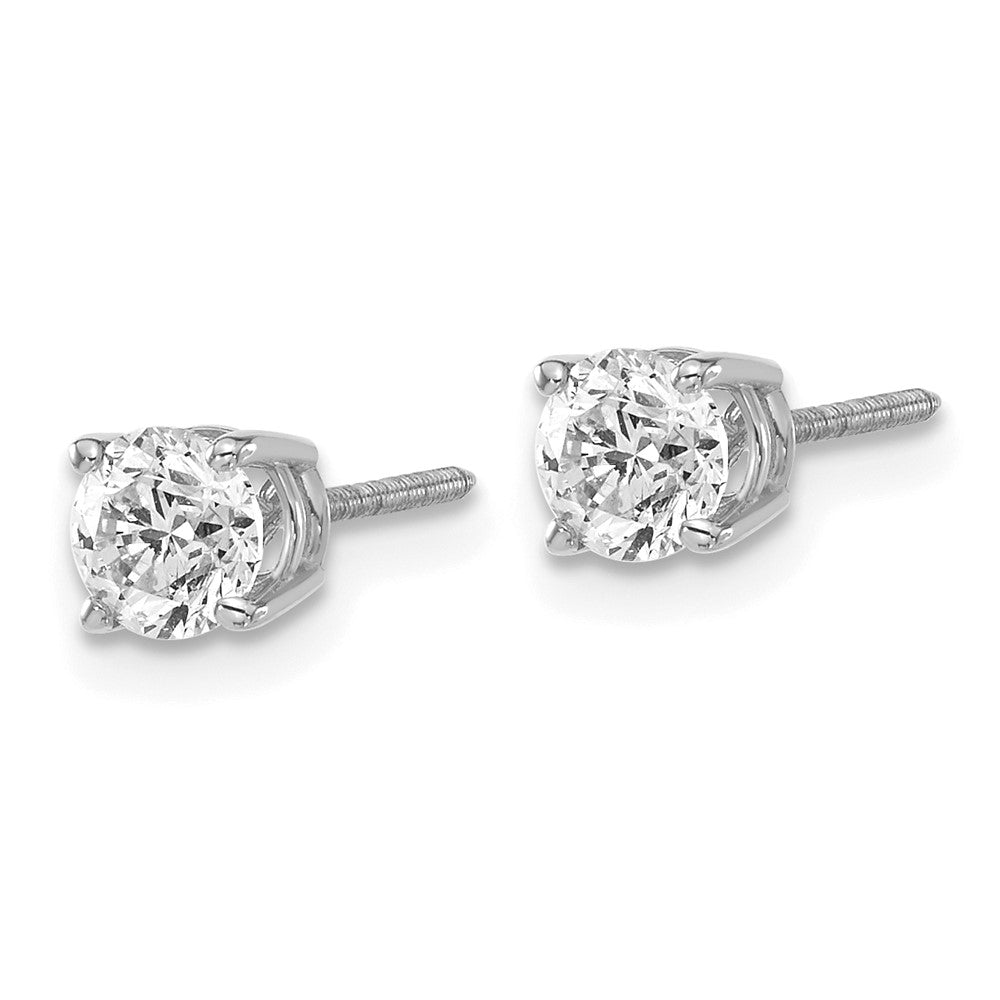
A small metal "claw" at each corner holds the stone. Minimal metal shows, so the diamond takes center stage.
6-Prong / Crown Setting
More prongs equal more security — but slightly more visible metal. Crown styles also push the stone a touch farther from the ear, which can cause drooping.
Bezel Setting (The Modern Pick)
A thin band of metal encircles the diamond completely. Sleek, contemporary, and the most secure option — ideal for active lifestyles.
Martini Setting
A three-prong, cone-shaped setting that resembles a martini glass from the side. Sits low and snug against the lobe, which helps prevent drooping on larger stones.
Basket Setting
A flat-based prong setting that places the stone slightly farther from the ear than a martini. A great alternative if martini settings dig into your lobe.
Halo Setting (The Sparkle Hack)
Smaller diamonds encircle the center stone, creating the illusion of a much larger center. A budget-friendly way to maximize visual impact.
Prong Settings — Pros
- Show maximum diamond surface
- Allow more light return = more sparkle
- Classic, elegant look
Prong Settings — Cons
- Prongs can snag on clothes & hair
- Less secure than bezel
- Need annual professional checks
Bezel Settings — Pros
- Most secure setting available
- Won't catch on scarves, sweaters, or hair
- Sleek, modern aesthetic
Bezel Settings — Cons
- Covers a portion of the diamond's edge
- Can make stone appear slightly smaller
- Slightly less light return
Step 3: Don't Ignore the Backing — It's Just As Important As the Diamond
Even the most stunning pair of studs becomes worthless on the floor of a cab. The backing keeps your investment exactly where it belongs.
Push (Butterfly) Backs
The everyday standard — two tiny "wings" that grip onto a notched post. Comfortable, quick to put on, but can loosen over time.
Screw Backs
A threaded post and matching backing that screws into place. Considered the gold standard for security and almost always used on larger or more valuable diamonds.
Locking Backs
A spring-loaded mechanism that clicks shut around the post. The middle ground between push and screw backs — easy to use but very secure.
| Backing | Security | Ease of Use | Best For |
|---|---|---|---|
| Push / Butterfly | Moderate | ★★★★★ | Smaller studs (under 0.50 ct) |
| Screw Back | High | ★★ | Larger or valuable diamonds (1 ct+) |
| Locking Back | High | ★★★★ | Active lifestyles, travel, daily wear |
Step 4: Choose Your Metal Wisely
Metal does more than hold the stone — it influences how big and bright your diamonds look.
- White gold: Enhances brilliance of colorless diamonds, modern and cool-toned, requires occasional rhodium replating.
- Yellow gold: Warm, classic, and especially flattering on warm skin tones; also masks slightly tinted (lower color grade) diamonds.
- Rose gold: A romantic, on-trend choice that flatters most skin tones.
- Platinum: The most durable and naturally white option. More expensive, but virtually indestructible — ideal for everyday wear.
Step 5: Beyond the Round — Diamond Shapes That Stand Out
Round brilliant is by far the most popular shape, prized for its unmatched sparkle. But this season, alternative shapes are surging in popularity:
- Princess cut: Sharp, square, and contemporary.
- Oval & pear: Soft, elongating, and feminine — pear shapes can be worn pointing up, down, or angled for completely different vibes.
- Emerald cut: Sophisticated step-cut clarity for fans of clean architectural lines.
- Marquise & heart: Unique conversation-starting shapes that still deliver sparkle.
How to Wear Diamond Studs for Every Occasion
At the Office: Polished & Powerful
Pair smaller studs (0.25–0.75 ct TCW) with tailored blazers and crisp shirts. Pull hair into a sleek low bun or ponytail to keep the focus on your jawline. Stick to a single delicate chain — let the studs do the quiet work of conveying authority.
Casual Days: Effortlessly Chic
Diamond studs prevent any outfit from looking sloppy. Wear them with denim, knit sweaters, or an oversized tee. Add a stack of dainty rings or a thin bracelet for cohesion, and keep makeup natural.
Date Night: Romantic & Refined
Choose slightly larger studs (0.75–1.5 ct TCW) — their sparkle is magical under candlelight. Pair with a side-swept hairstyle, smoky eyes, and a silk or satin top. A layered delicate necklace draws attention back to the neckline.
Formal Events: Sophisticated Sparkle
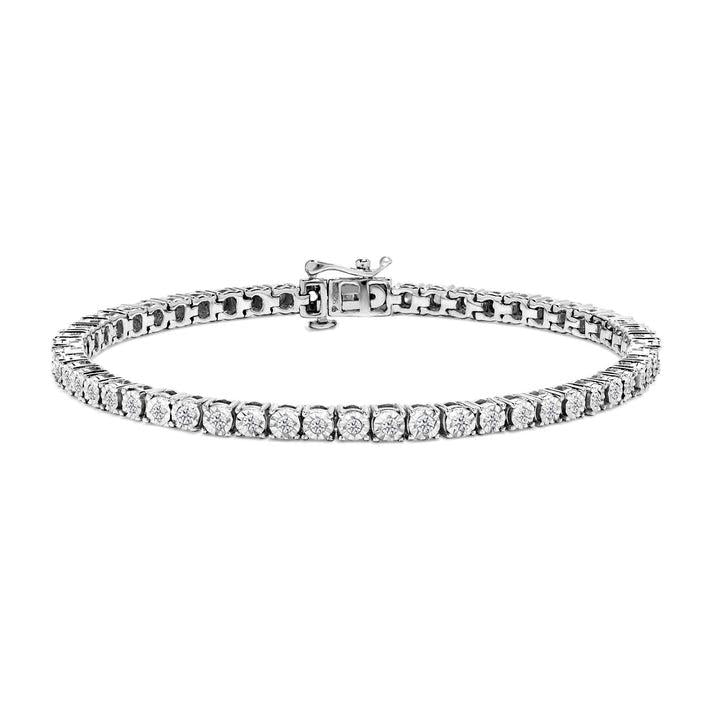
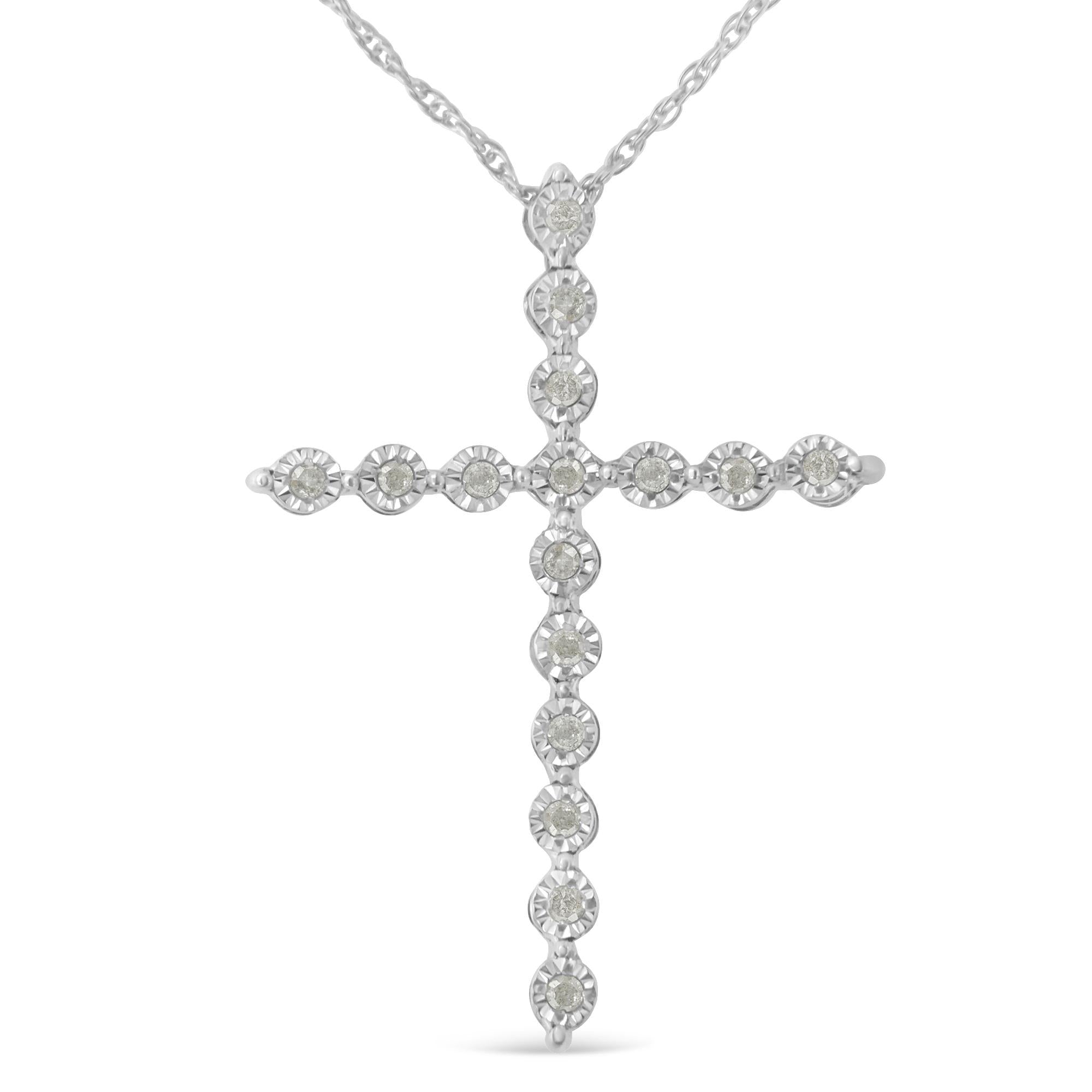
Go bold with 1.5 ct TCW and above. Sweep hair into an updo to showcase the earrings, and coordinate with a matching tennis bracelet or pendant for a head-to-toe luxe effect. A deep V or boat neckline frames the face beautifully.
Pro Styling Tricks (That Most People Miss)
- Stack like a pro: Start with your largest stud in the first lobe piercing and decrease in size up the ear. Mix with tiny huggies or hoops for an editorial look.
- Mind the neckline: If your top has a busy collar or chunky knit, let the studs breathe — skip the necklace.
- Match your engagement ring: A bezel-set stud with a bezel-set ring creates instant cohesion.
- Hair matters: Long hair down will hide smaller studs — opt for half-up or pulled-back styles when you want them seen.
- Cut quality beats carat weight every time: A perfectly cut 0.40 ct stone will outshine a poorly cut 0.50 ct stone in everyday brilliance.
Care & Maintenance: Keep Them Sparkling for Life
- Clean every few weeks with warm water and mild dish soap; gently brush with a soft toothbrush.
- Avoid lotions, perfumes, and hairspray after putting them in — residue dulls the sparkle.
- Remove before swimming, heavy workouts, or sleeping (if backs are loose).
- Have a jeweler inspect the prongs and backs at least once a year.
- Store in a soft pouch or separate compartment to prevent scratches.
- Always insure pairs valued over 1 ct — replacement protection is essential.
Quick Reference: Mobile-Friendly Summary Table
| Decision | Best For Everyday | Best For Formal | Best For Sensitive Skin |
|---|---|---|---|
| Carat Size | 0.50 – 1.00 ct TCW | 1.50 – 2.00 ct TCW | 0.25 – 0.50 ct TCW |
| Setting | Bezel or 4-prong | Martini or Halo | Bezel (no snag) |
| Backing | Locking back | Screw back | Push/Butterfly |
| Metal | 14k Gold or Platinum | White Gold / Platinum | Platinum or 18k Gold |
| Diamond Shape | Round Brilliant | Oval, Pear, or Halo | Round (low-profile) |
| Priority | Comfort & cut quality | Sparkle & presence | Hypoallergenic metal |
Frequently Asked Questions
The Bottom Line
Diamond stud earrings really are the white T-shirt of fine jewelry — but only when you've chosen the right ones. Match the carat size to your lifestyle, pick a setting that balances sparkle with security, invest in a backing that protects your investment, and choose a metal that complements both your skin and your wardrobe. Get those four decisions right and you'll own a pair of earrings that you'll wear every single day for the rest of your life — and look unmistakably elegant every time you do.

 Contact Us